• 🚨 The Exact Science Behind Cristiano Ronaldo’s 8.5-Foot Leap ✈️⚽
    You have seen him do it a hundred times. Ronaldo hangs in the air for what feels like an eternity, while the defender just falls back to earth.
    It looks like pure, natural magic. You might even think it's just genetics.
    It’s not. It is a heavily trained, biomechanical equation. And to unlock that exact explosive vertical power, you need to master one specific exercise... The Box Jump.

    Welcome back to PeomaticsX! To jump like CR7, you must master the mechanics of how your muscles store and release energy.

    Here is the secret to the drill:
    1️⃣ The Eccentric Load: You don't just bend your knees. You drop your hips back and swing your arms aggressively. You are pulling your tendons tight like a rubber band to build maximum potential energy.
    2️⃣ The Concentric Explosion: You instantly reverse direction. You drive your feet straight down while throwing your arms violently upward. You release that stored energy to break gravity.

    ⚠️ The Golden Rule: Stop doing 50 small jumps until you are tired. Plyometrics are about POWER, not cardio. Do 5 jumps with 100% maximum effort.

    🧠 Want to upgrade your football IQ and train smarter? Hit that Follow button right now. We are bringing the shadowed science of elite football training to the limelight every single week. Let’s elevate the game together! 🚀
    🚨 The Exact Science Behind Cristiano Ronaldo’s 8.5-Foot Leap ✈️⚽ You have seen him do it a hundred times. Ronaldo hangs in the air for what feels like an eternity, while the defender just falls back to earth. It looks like pure, natural magic. You might even think it's just genetics. It’s not. It is a heavily trained, biomechanical equation. And to unlock that exact explosive vertical power, you need to master one specific exercise... The Box Jump. Welcome back to PeomaticsX! To jump like CR7, you must master the mechanics of how your muscles store and release energy. Here is the secret to the drill: 1️⃣ The Eccentric Load: You don't just bend your knees. You drop your hips back and swing your arms aggressively. You are pulling your tendons tight like a rubber band to build maximum potential energy. 2️⃣ The Concentric Explosion: You instantly reverse direction. You drive your feet straight down while throwing your arms violently upward. You release that stored energy to break gravity. ⚠️ The Golden Rule: Stop doing 50 small jumps until you are tired. Plyometrics are about POWER, not cardio. Do 5 jumps with 100% maximum effort. 🧠 Want to upgrade your football IQ and train smarter? Hit that Follow button right now. We are bringing the shadowed science of elite football training to the limelight every single week. Let’s elevate the game together! 🚀
    0 Comments 0 Shares 165 Views
  • 🐐 Did you know that a goat can connect us to the Bronze Age? Recent biomolecular research has revealed that the rare Old Irish goat descends from herds that roamed Ireland around 3,000 years ago! This discovery not only shines a light on our ancient agricultural practices but also shows how these fascinating creatures have persisted through time.

    Imagine if our pets could share such a rich history—what would your dog or cat tell you? 🐕🐈

    The Old Irish goat serves as a reminder of the resilience of nature and the stories that can be told through genetics. Who knew a goat could have such a noble pedigree?

    Learn more about this outstanding discovery here: https://interestingengineering.com/science/old-irish-goat-dna-discovery
    #OldIrishGoat #BronzeAge #GeneticHistory #Biodiversity #FunFacts
    🐐 Did you know that a goat can connect us to the Bronze Age? Recent biomolecular research has revealed that the rare Old Irish goat descends from herds that roamed Ireland around 3,000 years ago! This discovery not only shines a light on our ancient agricultural practices but also shows how these fascinating creatures have persisted through time. Imagine if our pets could share such a rich history—what would your dog or cat tell you? 🐕🐈 The Old Irish goat serves as a reminder of the resilience of nature and the stories that can be told through genetics. Who knew a goat could have such a noble pedigree? Learn more about this outstanding discovery here: https://interestingengineering.com/science/old-irish-goat-dna-discovery #OldIrishGoat #BronzeAge #GeneticHistory #Biodiversity #FunFacts
    Rare Old Irish Goat proven to descend from 3,000-year-old Bronze Age herds
    Recent biomolecular research has confirmed that the Old Irish goat is more than just a...
    0 Comments 0 Shares 345 Views
  • 🌍 Did you know that escaped farm pig genes are influencing wild boar reproduction in the wake of the Fukushima disaster? This fascinating article reveals how the genetic legacy of pigs in ghost towns around the Fukushima Daiichi Nuclear Power Plant is altering wildlife dynamics.

    Understanding these biological changes can remind us of the interconnectedness of ecosystems and the long-term effects of human activity on nature. It’s a powerful reminder to be mindful of our impact on the environment, even in ways we might not immediately see.

    Consider how your daily choices—like supporting sustainable farming or wildlife conservation efforts—can contribute to a healthier planet.

    Explore more about this intriguing research:
    https://interestingengineering.com/science/pigs-speed-wild-boar-reproduction-fukushima-study

    #WildlifeConservation #Genetics #Fukushima #SustainableLiving #Ecosystem
    🌍 Did you know that escaped farm pig genes are influencing wild boar reproduction in the wake of the Fukushima disaster? This fascinating article reveals how the genetic legacy of pigs in ghost towns around the Fukushima Daiichi Nuclear Power Plant is altering wildlife dynamics. Understanding these biological changes can remind us of the interconnectedness of ecosystems and the long-term effects of human activity on nature. It’s a powerful reminder to be mindful of our impact on the environment, even in ways we might not immediately see. Consider how your daily choices—like supporting sustainable farming or wildlife conservation efforts—can contribute to a healthier planet. Explore more about this intriguing research: https://interestingengineering.com/science/pigs-speed-wild-boar-reproduction-fukushima-study #WildlifeConservation #Genetics #Fukushima #SustainableLiving #Ecosystem
    Escaped farm pig genes speed wild boar reproduction after Fukushima nuclear disaster
    In the ghost towns surrounding the Fukushima Daiichi Nuclear Power Plant in Japan, a biological...
    0 Comments 0 Shares 242 Views
  • 🌟 Have you ever wondered how far back our understanding of genetics goes? Well, researchers have just made a groundbreaking discovery! They’ve identified a 12,000-year-old case of a rare genetic disease, shedding light on our ancient medical history through DNA analysis. Isn’t that fascinating? It’s incredible to think that even thousands of years ago, humans were grappling with genetic conditions, much like we do today. This breakthrough not only deepens our knowledge of genetics but also connects us to our ancestors in a remarkable way. Who knew science could bridge such vast timelines? 🧬✨

    Check out the full story here: https://interestingengineering.com/health/oldest-case-rare-genetic-disease-confirmed
    #Genetics #MedicalHistory #Breakthrough #AncientScience #DNA
    🌟 Have you ever wondered how far back our understanding of genetics goes? Well, researchers have just made a groundbreaking discovery! They’ve identified a 12,000-year-old case of a rare genetic disease, shedding light on our ancient medical history through DNA analysis. Isn’t that fascinating? It’s incredible to think that even thousands of years ago, humans were grappling with genetic conditions, much like we do today. This breakthrough not only deepens our knowledge of genetics but also connects us to our ancestors in a remarkable way. Who knew science could bridge such vast timelines? 🧬✨ Check out the full story here: https://interestingengineering.com/health/oldest-case-rare-genetic-disease-confirmed #Genetics #MedicalHistory #Breakthrough #AncientScience #DNA
    12,000-year-old case of rare genetic disease confirmed in major breakthrough in medicine
    Researchers identified the earliest case of a genetic disease with the help of DNA: a...
    0 Comments 0 Shares 219 Views
  • 🌟 Exciting news in the world of science! Google has unveiled a groundbreaking AI tool named AlphaGenome, designed to delve deep into the human genome and explore the complexities of genetic diseases that are often hard to treat. This innovative deep learning model is being hailed as a major breakthrough, allowing scientists to not only study but also simulate genetic challenges.

    Imagine the possibilities! With tools like AlphaGenome, we’re on the brink of discovering solutions to some of our most pressing health issues. It’s a reminder that the intersection of technology and biology can lead to wondrous advancements.

    Let’s embrace these innovations and consider how they might inspire us to tackle challenges in our own lives!

    Read more here: https://www.channelstv.com/2026/01/28/google-unveils-ai-tool-probing-mysteries-of-human-genome/

    #AI #Genetics #Innovation #HealthTech #FutureOfScience
    🌟 Exciting news in the world of science! Google has unveiled a groundbreaking AI tool named AlphaGenome, designed to delve deep into the human genome and explore the complexities of genetic diseases that are often hard to treat. This innovative deep learning model is being hailed as a major breakthrough, allowing scientists to not only study but also simulate genetic challenges. Imagine the possibilities! With tools like AlphaGenome, we’re on the brink of discovering solutions to some of our most pressing health issues. It’s a reminder that the intersection of technology and biology can lead to wondrous advancements. Let’s embrace these innovations and consider how they might inspire us to tackle challenges in our own lives! Read more here: https://www.channelstv.com/2026/01/28/google-unveils-ai-tool-probing-mysteries-of-human-genome/ #AI #Genetics #Innovation #HealthTech #FutureOfScience
    Google Unveils AI Tool Probing Mysteries Of Human Genome
    The deep learning model AlphaGenome was hailed by outside researchers as a "breakthrough" that would let scientists study and even simulate the roots of difficult-to-treat genetic diseases. The post Google Unveils AI Tool Probing Mysteries Of Human G
    0 Comments 0 Shares 176 Views
  • Did you know that a routine autopsy on a frozen wolf led to the discovery of a 14,400-year-old woolly rhino genome? This fascinating find highlights the importance of examining even the most ordinary situations for extraordinary insights. Researchers recovered valuable genetic material from the rhino tissue found in the wolf's stomach, offering a glimpse into ancient ecosystems and the creatures that roamed them.

    This reminds us to stay curious and to dig deeper into the stories around us—there may be hidden treasures waiting to be uncovered in our everyday lives. Who knows what history lies beneath the surface?

    Explore more about this incredible discovery here:
    https://interestingengineering.com/science/14400-year-old-woolly-rhino-genome

    #WoollyRhino #AncientDNA #Genetics #WildlifeHistory #Curiosity
    Did you know that a routine autopsy on a frozen wolf led to the discovery of a 14,400-year-old woolly rhino genome? This fascinating find highlights the importance of examining even the most ordinary situations for extraordinary insights. Researchers recovered valuable genetic material from the rhino tissue found in the wolf's stomach, offering a glimpse into ancient ecosystems and the creatures that roamed them. This reminds us to stay curious and to dig deeper into the stories around us—there may be hidden treasures waiting to be uncovered in our everyday lives. Who knows what history lies beneath the surface? Explore more about this incredible discovery here: https://interestingengineering.com/science/14400-year-old-woolly-rhino-genome #WoollyRhino #AncientDNA #Genetics #WildlifeHistory #Curiosity
    14,400-year-old woolly rhino genome recovered from tissue found in ancient wolf’s stomach
    It was a routine autopsy on a frozen canine, but the discovery was anything but...
    0 Comments 0 Shares 261 Views
  • 🔬 Ever thought about how artificial intelligence could revolutionize genetic design? A recent breakthrough from US scientists reveals a new technique that allows for the rapid creation of vast libraries of genetic circuits. This advancement not only speeds up the process but also enhances the precision of DNA design, paving the way for innovative therapies.

    As someone intrigued by the intersection of technology and health, I find it fascinating how these developments could lead to more effective treatments for various diseases. Imagine the possibilities for personalized medicine right at our fingertips!

    How do you think AI will shape the future of biotechnology?

    Read more about this exciting research here: https://interestingengineering.com/science/rice-university-ai-dna-design

    #AI #Biotechnology #Genetics #HealthTech #Innovation
    🔬 Ever thought about how artificial intelligence could revolutionize genetic design? A recent breakthrough from US scientists reveals a new technique that allows for the rapid creation of vast libraries of genetic circuits. This advancement not only speeds up the process but also enhances the precision of DNA design, paving the way for innovative therapies. As someone intrigued by the intersection of technology and health, I find it fascinating how these developments could lead to more effective treatments for various diseases. Imagine the possibilities for personalized medicine right at our fingertips! How do you think AI will shape the future of biotechnology? Read more about this exciting research here: https://interestingengineering.com/science/rice-university-ai-dna-design #AI #Biotechnology #Genetics #HealthTech #Innovation
    AI meets DNA: US scientists design massive genetic circuit libraries faster than ever
    Scientists have developed a new technique that could change how we design DNA for therapeutic...
    0 Comments 0 Shares 226 Views
  • 🌟 Exciting news in the world of genetics! 🌟

    Nobel Prize-winning scientist Jennifer Doudna is taking a giant leap forward by cofounding Aurora Therapeutics. This innovative startup aims to personalize gene-editing treatments for rare diseases, leveraging a new FDA pathway to bring these therapies to patients faster. Isn't it incredible to think about how science is evolving to tackle health challenges in such tailored ways?

    I often find myself in awe of breakthroughs that can change lives. Imagine a future where rare diseases aren't so daunting because we have targeted treatments!

    What are your thoughts on the potential impact of gene editing in healthcare?

    Check out the full article here: https://www.wired.com/story/crispr-pioneer-launches-startup-to-make-tailored-gene-editing-treatments/

    #GeneEditing #Biotechnology #HealthcareInnovation #NobelPrize #AuroraTherapeutics
    🌟 Exciting news in the world of genetics! 🌟 Nobel Prize-winning scientist Jennifer Doudna is taking a giant leap forward by cofounding Aurora Therapeutics. This innovative startup aims to personalize gene-editing treatments for rare diseases, leveraging a new FDA pathway to bring these therapies to patients faster. Isn't it incredible to think about how science is evolving to tackle health challenges in such tailored ways? I often find myself in awe of breakthroughs that can change lives. Imagine a future where rare diseases aren't so daunting because we have targeted treatments! What are your thoughts on the potential impact of gene editing in healthcare? Check out the full article here: https://www.wired.com/story/crispr-pioneer-launches-startup-to-make-tailored-gene-editing-treatments/ #GeneEditing #Biotechnology #HealthcareInnovation #NobelPrize #AuroraTherapeutics
    Crispr Pioneer Launches Startup to Make Tailored Gene-Editing Treatments
    Aurora Therapeutics, cofounded by Nobel Prize–winning scientist Jennifer Doudna, plans to use gene editing and a new FDA regulatory pathway to commercialize treatments for rare diseases.
    0 Comments 0 Shares 496 Views
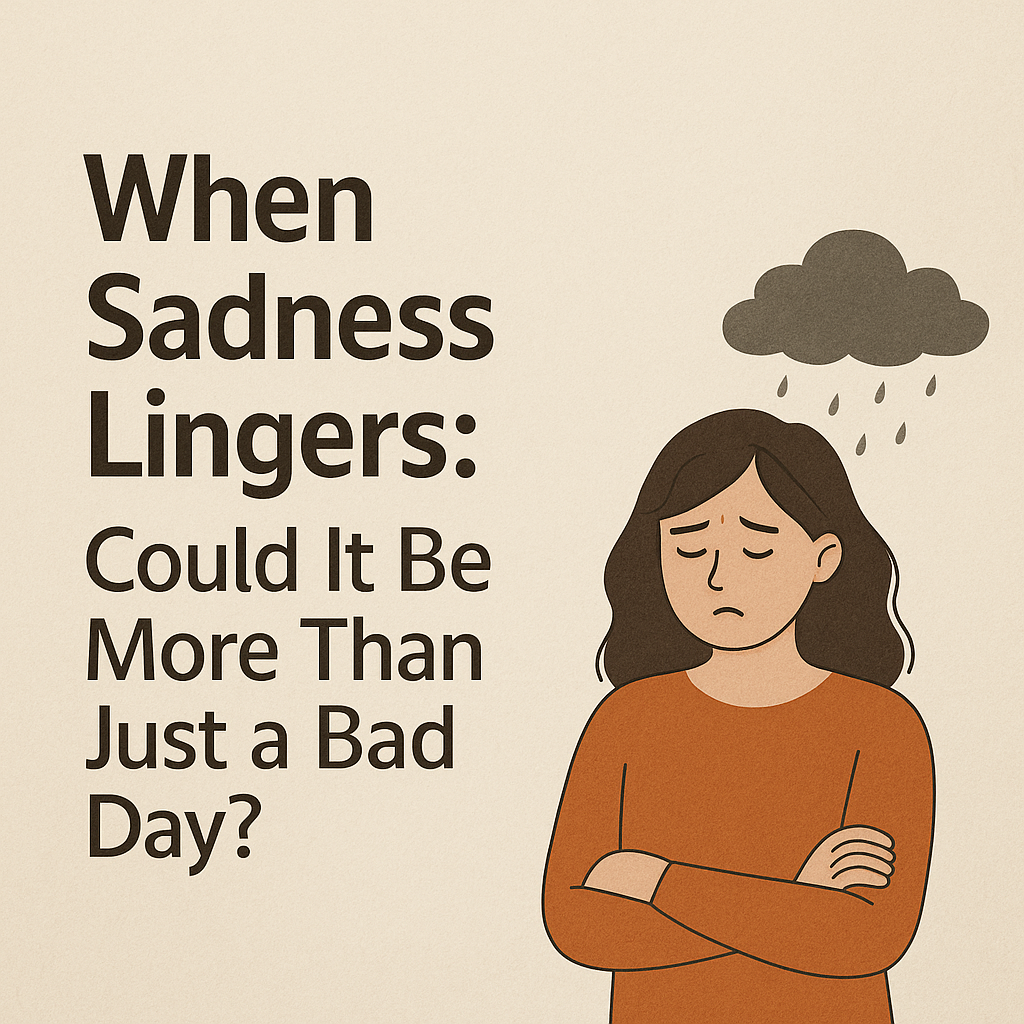
  • “When Sadness Lingers: Could It Be More Than Just a Bad Day?”

    Everyone feels sad from time to time. Maybe it’s a stressful week, a missed opportunity, or just one of those days when nothing seems right. That’s normal. But what happens when the sadness doesn’t go away? When you wake up feeling empty, unmotivated, or exhausted day after day?

    Let’s talk about what it means when sadness lingers, and how to know when it’s more than just a bad day.


    It’s Not Just in Your Head

    Many people downplay how they feel. “I’m just being dramatic,” or “I’ll be fine tomorrow.” But persistent sadness can affect more than just your mood it can impact your physical health too. You may notice:

    Low energy, even after resting

    Changes in appetite or sleep (too much or too little)

    Difficulty focusing or making decisions

    Aches and pains with no clear cause

    Feeling numb, irritable, or hopeless


    These are real symptoms. And they’re not your fault,
    When Sadness Becomes Depression

    Depression doesn’t always look the way we expect. Some people cry a lot, while others feel flat and disconnected. Some keep functioning going to work, caring for family but feel like they’re just surviving, not living.

    If you’ve been feeling this way for more than two weeks, it could be a sign of clinical depression. And that’s a health condition, not a weakness. Like any illness, it deserves attention and care.


    What Causes It?

    Depression doesn’t always have a clear cause. It can be triggered by life events like grief, trauma, or burnout but sometimes, it happens without warning. Genetics, brain chemistry, and even hormonal changes (like after childbirth or during menstruation) can play a role.

    The important thing to remember is: You don’t need a reason to feel the way you feel.


    What Can You Do?

    If this sounds familiar, you’re not alone and you’re not stuck.

    Talk to someone: A friend, loved one, counselor, or doctor. Talking helps.

    Seek professional help: Therapists and mental health professionals can offer support and treatment.

    Don’t ignore your body: Eat well, move your body, and get sunlight even small steps matter.

    Give yourself grace: Healing takes time, and it’s okay to ask for help.


    Final Thoughts

    We all have hard days, but if your “off days” are turning into off weeks or months, it’s worth listening to what your body and mind are telling you. There’s no shame in struggling and there’s always a path to feeling better.

    Because sometimes, it’s not just a bad day. And that’s okay.
    “When Sadness Lingers: Could It Be More Than Just a Bad Day?” Everyone feels sad from time to time. Maybe it’s a stressful week, a missed opportunity, or just one of those days when nothing seems right. That’s normal. But what happens when the sadness doesn’t go away? When you wake up feeling empty, unmotivated, or exhausted day after day? Let’s talk about what it means when sadness lingers, and how to know when it’s more than just a bad day. It’s Not Just in Your Head Many people downplay how they feel. “I’m just being dramatic,” or “I’ll be fine tomorrow.” But persistent sadness can affect more than just your mood it can impact your physical health too. You may notice: Low energy, even after resting Changes in appetite or sleep (too much or too little) Difficulty focusing or making decisions Aches and pains with no clear cause Feeling numb, irritable, or hopeless These are real symptoms. And they’re not your fault, When Sadness Becomes Depression Depression doesn’t always look the way we expect. Some people cry a lot, while others feel flat and disconnected. Some keep functioning going to work, caring for family but feel like they’re just surviving, not living. If you’ve been feeling this way for more than two weeks, it could be a sign of clinical depression. And that’s a health condition, not a weakness. Like any illness, it deserves attention and care. What Causes It? Depression doesn’t always have a clear cause. It can be triggered by life events like grief, trauma, or burnout but sometimes, it happens without warning. Genetics, brain chemistry, and even hormonal changes (like after childbirth or during menstruation) can play a role. The important thing to remember is: You don’t need a reason to feel the way you feel. What Can You Do? If this sounds familiar, you’re not alone and you’re not stuck. Talk to someone: A friend, loved one, counselor, or doctor. Talking helps. Seek professional help: Therapists and mental health professionals can offer support and treatment. Don’t ignore your body: Eat well, move your body, and get sunlight even small steps matter. Give yourself grace: Healing takes time, and it’s okay to ask for help. Final Thoughts We all have hard days, but if your “off days” are turning into off weeks or months, it’s worth listening to what your body and mind are telling you. There’s no shame in struggling and there’s always a path to feeling better. Because sometimes, it’s not just a bad day. And that’s okay.
    0 Comments 0 Shares 1K Views
  • "Drugs & the Mind: Why Some People Lose It After One Try, While Others Seem ‘Fine’"

    Have you ever wondered why some people take hard drugs once and experience mental breakdowns, while others use them for years and appear normal? It’s a mystery that leaves many people confused. The truth is, no one is truly 'safe' from the effects of drug abuse—it all comes down to how drugs interact with the brain, genetics, and individual mental health.

    Let’s break it down.

    🧠 1. The Brain Factor: How Drugs Mess with Your Mind

    When you take hard drugs like cocaine, meth, or marijuana, they alter brain chemistry by flooding the brain with dopamine (the “feel-good” chemical). Over time, the brain struggles to regulate itself, leading to paranoia, hallucinations, and even psychosis in some people.

    But why do some people get these effects almost immediately while others don’t?

    ✔️ Brain Chemistry – Some people have more sensitive dopamine systems, making them more prone to severe reactions.
    ✔️ Pre-existing Mental Health Conditions – If someone has underlying anxiety, depression, or schizophrenia, drugs can trigger full-blown mental illness.
    ✔️ Type of Drug & Dosage – Some drugs are more potent than others. A high dose can shock the brain into psychosis faster.

    🧬 2. The Role of Genetics: Are Some People More at Risk?

    Just like how some people are naturally resistant to certain diseases, genetics play a role in drug reactions. If someone has a family history of mental illness or addiction, their risk of developing drug-induced psychosis is much higher.

    ✔️ If a close family member has schizophrenia, bipolar disorder, or severe depression, drug use can speed up the onset of these illnesses.
    ✔️ Some people have genes that metabolize drugs differently, leading to stronger and more unpredictable effects.

    🛑 3. Accumulated Damage: Why Some People 'Seem Fine' for Years

    Some long-term drug users may seem unaffected, but that doesn’t mean they’re safe. The effects of drug abuse build up over time.

    ✔️ Over time, they may develop memory loss, mood swings, or trouble focusing, even if they don’t show immediate signs of psychosis.
    ✔️ Some people can hide their struggles well, but eventually, their mental health declines.
    ✔️ Their risk of a sudden mental breakdown increases the longer they continue using.

    🚨 4. The Dangerous Myth: "It Won’t Happen to Me"

    Many people believe they can handle drugs because they know someone who has used them for years without issues. But the truth is, no one knows how their brain will react until it's too late.

    ✔️ One bad trip is all it takes for a person to lose touch with reality.
    ✔️ Some effects are permanent, and the brain may never fully recover.
    ✔️ Even if someone seems fine now, they could wake up one day with crippling anxiety, paranoia, or psychosis.

    ⚠️ The Bottom Line: Is It Worth the Risk?

    The truth is, no one is immune to the effects of drugs. Some people break down faster, while others take years—but in the end, everyone pays the price.

    🔴 Have you seen cases where someone’s life changed overnight due to drug use? Let’s discuss in the comments.

    "Drugs & the Mind: Why Some People Lose It After One Try, While Others Seem ‘Fine’" Have you ever wondered why some people take hard drugs once and experience mental breakdowns, while others use them for years and appear normal? It’s a mystery that leaves many people confused. The truth is, no one is truly 'safe' from the effects of drug abuse—it all comes down to how drugs interact with the brain, genetics, and individual mental health. Let’s break it down. 🧠 1. The Brain Factor: How Drugs Mess with Your Mind When you take hard drugs like cocaine, meth, or marijuana, they alter brain chemistry by flooding the brain with dopamine (the “feel-good” chemical). Over time, the brain struggles to regulate itself, leading to paranoia, hallucinations, and even psychosis in some people. But why do some people get these effects almost immediately while others don’t? ✔️ Brain Chemistry – Some people have more sensitive dopamine systems, making them more prone to severe reactions. ✔️ Pre-existing Mental Health Conditions – If someone has underlying anxiety, depression, or schizophrenia, drugs can trigger full-blown mental illness. ✔️ Type of Drug & Dosage – Some drugs are more potent than others. A high dose can shock the brain into psychosis faster. 🧬 2. The Role of Genetics: Are Some People More at Risk? Just like how some people are naturally resistant to certain diseases, genetics play a role in drug reactions. If someone has a family history of mental illness or addiction, their risk of developing drug-induced psychosis is much higher. ✔️ If a close family member has schizophrenia, bipolar disorder, or severe depression, drug use can speed up the onset of these illnesses. ✔️ Some people have genes that metabolize drugs differently, leading to stronger and more unpredictable effects. 🛑 3. Accumulated Damage: Why Some People 'Seem Fine' for Years Some long-term drug users may seem unaffected, but that doesn’t mean they’re safe. The effects of drug abuse build up over time. ✔️ Over time, they may develop memory loss, mood swings, or trouble focusing, even if they don’t show immediate signs of psychosis. ✔️ Some people can hide their struggles well, but eventually, their mental health declines. ✔️ Their risk of a sudden mental breakdown increases the longer they continue using. 🚨 4. The Dangerous Myth: "It Won’t Happen to Me" Many people believe they can handle drugs because they know someone who has used them for years without issues. But the truth is, no one knows how their brain will react until it's too late. ✔️ One bad trip is all it takes for a person to lose touch with reality. ✔️ Some effects are permanent, and the brain may never fully recover. ✔️ Even if someone seems fine now, they could wake up one day with crippling anxiety, paranoia, or psychosis. ⚠️ The Bottom Line: Is It Worth the Risk? The truth is, no one is immune to the effects of drugs. Some people break down faster, while others take years—but in the end, everyone pays the price. 🔴 Have you seen cases where someone’s life changed overnight due to drug use? Let’s discuss in the comments.
    Like
    1
    1 Comments 0 Shares 1K Views
  • "Sugar, Stress & Screen Time: How Your Lifestyle Might Be Leading You to Diabetes"

    Diabetes isn’t just about sugar—it’s about how we live our daily lives. The food we eat, how much we move, our stress levels, and even how much sleep we get all play a role in increasing (or decreasing) our risk.

    Many people think diabetes is something that happens only to older people or those who eat a lot of sweets, but that’s not true. Our modern lifestyle is making diabetes more common than ever. So, what habits could be putting you at risk? Let’s break it down.

    🍟 1. Processed & Sugary Foods

    Fast food, sugary drinks, and packaged snacks are everywhere. These foods cause blood sugar spikes, making the body work harder to produce insulin. Over time, this can lead to insulin resistance, a major cause of Type 2 diabetes.

    ✔️ Swap out soda for water or unsweetened drinks.
    ✔️ Choose whole foods instead of processed meals.
    ✔️ Cut back on added sugars in your diet.

    🛋️ 2. Sitting Too Much

    Our bodies were made to move, but modern life keeps us sitting—at work, in traffic, and on the couch binge-watching shows. Lack of movement slows down metabolism and increases insulin resistance.

    ✔️ Try to stand up and walk around every hour.
    ✔️ Take the stairs instead of the elevator.
    ✔️ Find an activity you enjoy—dancing, cycling, or even walking counts!

    😴 3. Poor Sleep Habits

    Do you stay up late scrolling your phone? Sleep deprivation affects how your body uses insulin, increasing your risk of diabetes. Less sleep = more sugar cravings and poor food choices.

    ✔️ Aim for 7-9 hours of quality sleep per night.
    ✔️ Avoid screens before bedtime.
    ✔️ Stick to a consistent sleep schedule.

    😰 4. Chronic Stress

    Stress causes your body to release cortisol, a hormone that raises blood sugar. Long-term stress increases the risk of diabetes even if you eat healthy!

    ✔️ Practice deep breathing or meditation.
    ✔️ Take breaks and step outside when feeling overwhelmed.
    ✔️ Engage in activities that help you relax, like music or reading.

    💉 The Bottom Line

    Diabetes isn’t just about genetics—it’s about how we live. Small changes in diet, movement, sleep, and stress management can lower your risk and improve your overall health.

    Which of these habits do you need to work on? Let me know in the comments!
    "Sugar, Stress & Screen Time: How Your Lifestyle Might Be Leading You to Diabetes" Diabetes isn’t just about sugar—it’s about how we live our daily lives. The food we eat, how much we move, our stress levels, and even how much sleep we get all play a role in increasing (or decreasing) our risk. Many people think diabetes is something that happens only to older people or those who eat a lot of sweets, but that’s not true. Our modern lifestyle is making diabetes more common than ever. So, what habits could be putting you at risk? Let’s break it down. 🍟 1. Processed & Sugary Foods Fast food, sugary drinks, and packaged snacks are everywhere. These foods cause blood sugar spikes, making the body work harder to produce insulin. Over time, this can lead to insulin resistance, a major cause of Type 2 diabetes. ✔️ Swap out soda for water or unsweetened drinks. ✔️ Choose whole foods instead of processed meals. ✔️ Cut back on added sugars in your diet. 🛋️ 2. Sitting Too Much Our bodies were made to move, but modern life keeps us sitting—at work, in traffic, and on the couch binge-watching shows. Lack of movement slows down metabolism and increases insulin resistance. ✔️ Try to stand up and walk around every hour. ✔️ Take the stairs instead of the elevator. ✔️ Find an activity you enjoy—dancing, cycling, or even walking counts! 😴 3. Poor Sleep Habits Do you stay up late scrolling your phone? Sleep deprivation affects how your body uses insulin, increasing your risk of diabetes. Less sleep = more sugar cravings and poor food choices. ✔️ Aim for 7-9 hours of quality sleep per night. ✔️ Avoid screens before bedtime. ✔️ Stick to a consistent sleep schedule. 😰 4. Chronic Stress Stress causes your body to release cortisol, a hormone that raises blood sugar. Long-term stress increases the risk of diabetes even if you eat healthy! ✔️ Practice deep breathing or meditation. ✔️ Take breaks and step outside when feeling overwhelmed. ✔️ Engage in activities that help you relax, like music or reading. 💉 The Bottom Line Diabetes isn’t just about genetics—it’s about how we live. Small changes in diet, movement, sleep, and stress management can lower your risk and improve your overall health. Which of these habits do you need to work on? Let me know in the comments!
    0 Comments 0 Shares 712 Views
  • "Are Health Issues in Your Family Passed Down? Understanding Genetic & Lifestyle Patterns"

    Have you ever wondered why some health conditions seem to run in families? Maybe your parents have high blood pressure, and now your doctor is warning you about it. Or perhaps diabetes, heart disease, or even mental health struggles appear across generations.

    While some health conditions are genetic, meaning they are passed down through your DNA, others are linked to family lifestyle habits, which can influence your health just as much. Understanding these patterns can help you take control of your well-being and make better choices for yourself and future generations.

    🧬 The Role of Genetics in Family Health

    Certain conditions have a strong genetic link, meaning if a close relative has them, your risk is higher. These include:

    ✔️ Heart Disease & High Blood Pressure – If your parents or siblings have them, you may have a higher risk due to inherited traits like cholesterol levels or blood vessel structure.
    ✔️ Diabetes – Type 2 diabetes often runs in families, partly due to genetics and partly due to shared lifestyle factors like diet and activity levels.
    ✔️ Cancer – Some cancers, like breast, colon, and prostate cancer, can have a genetic component, increasing the likelihood of developing them.
    ✔️ Mental Health Disorders – Conditions like depression, anxiety, and schizophrenia can be influenced by genetics, though environment plays a big role too.

    However, just because something runs in your family doesn’t mean you’ll definitely develop it. Your lifestyle choices can greatly influence whether or not these conditions affect you.

    🏡 How Family Habits Affect Your Health

    Many health risks come from learned behaviors rather than genetics. Families often share:

    🍔 Dietary Habits – If your family eats a lot of processed foods, sugary drinks, or high-fat meals, you’re likely to follow the same pattern, which can contribute to obesity, diabetes, and heart disease.

    🛋️ Activity Levels – If your family isn’t active, you may also struggle to incorporate exercise into your routine, increasing the risk of weight gain and related illnesses.

    😤 Stress & Mental Health Coping Mechanisms – If stress and emotional struggles are handled poorly in your family (e.g., through alcohol, overeating, or avoiding problems), these patterns can continue across generations.

    🚬 Smoking & Drinking Habits – If smoking, excessive alcohol, or drug use is common in your household, you may be more likely to adopt these habits, leading to long-term health issues.

    🔄 Breaking the Cycle: How to Improve Family Health Patterns

    Just because a condition or habit exists in your family doesn’t mean you’re stuck with it! Here’s how you can take control:

    ✔️ Know Your Family Health History – Talk to relatives and find out what conditions run in your family so you can be proactive.
    ✔️ Adopt a Healthier Lifestyle – Focus on eating well, exercising, and managing stress, even if your family didn’t prioritize these things.
    ✔️ Encourage Positive Change – Lead by example! When one person makes healthy choices, it can influence others in the family to follow.
    ✔️ Get Regular Checkups – Early detection can prevent or manage conditions before they become serious.
    ✔️ Break Unhealthy Habits – If smoking, excessive drinking, or unhealthy eating runs in your family, make the choice to be different.

    Final Thoughts

    Your family history can give you clues about your health risks, but it doesn’t define your future. Genetics may play a role, but lifestyle is just as powerful. By recognizing patterns and making better choices, you can protect yourself and even set a healthier example for the next generation.

    Does a certain health issue run in your family? How are you working to change the cycle? Share your thoughts in the comments!

    Would you like an image to go with this post?
    #health
    "Are Health Issues in Your Family Passed Down? Understanding Genetic & Lifestyle Patterns" Have you ever wondered why some health conditions seem to run in families? Maybe your parents have high blood pressure, and now your doctor is warning you about it. Or perhaps diabetes, heart disease, or even mental health struggles appear across generations. While some health conditions are genetic, meaning they are passed down through your DNA, others are linked to family lifestyle habits, which can influence your health just as much. Understanding these patterns can help you take control of your well-being and make better choices for yourself and future generations. 🧬 The Role of Genetics in Family Health Certain conditions have a strong genetic link, meaning if a close relative has them, your risk is higher. These include: ✔️ Heart Disease & High Blood Pressure – If your parents or siblings have them, you may have a higher risk due to inherited traits like cholesterol levels or blood vessel structure. ✔️ Diabetes – Type 2 diabetes often runs in families, partly due to genetics and partly due to shared lifestyle factors like diet and activity levels. ✔️ Cancer – Some cancers, like breast, colon, and prostate cancer, can have a genetic component, increasing the likelihood of developing them. ✔️ Mental Health Disorders – Conditions like depression, anxiety, and schizophrenia can be influenced by genetics, though environment plays a big role too. However, just because something runs in your family doesn’t mean you’ll definitely develop it. Your lifestyle choices can greatly influence whether or not these conditions affect you. 🏡 How Family Habits Affect Your Health Many health risks come from learned behaviors rather than genetics. Families often share: 🍔 Dietary Habits – If your family eats a lot of processed foods, sugary drinks, or high-fat meals, you’re likely to follow the same pattern, which can contribute to obesity, diabetes, and heart disease. 🛋️ Activity Levels – If your family isn’t active, you may also struggle to incorporate exercise into your routine, increasing the risk of weight gain and related illnesses. 😤 Stress & Mental Health Coping Mechanisms – If stress and emotional struggles are handled poorly in your family (e.g., through alcohol, overeating, or avoiding problems), these patterns can continue across generations. 🚬 Smoking & Drinking Habits – If smoking, excessive alcohol, or drug use is common in your household, you may be more likely to adopt these habits, leading to long-term health issues. 🔄 Breaking the Cycle: How to Improve Family Health Patterns Just because a condition or habit exists in your family doesn’t mean you’re stuck with it! Here’s how you can take control: ✔️ Know Your Family Health History – Talk to relatives and find out what conditions run in your family so you can be proactive. ✔️ Adopt a Healthier Lifestyle – Focus on eating well, exercising, and managing stress, even if your family didn’t prioritize these things. ✔️ Encourage Positive Change – Lead by example! When one person makes healthy choices, it can influence others in the family to follow. ✔️ Get Regular Checkups – Early detection can prevent or manage conditions before they become serious. ✔️ Break Unhealthy Habits – If smoking, excessive drinking, or unhealthy eating runs in your family, make the choice to be different. Final Thoughts Your family history can give you clues about your health risks, but it doesn’t define your future. Genetics may play a role, but lifestyle is just as powerful. By recognizing patterns and making better choices, you can protect yourself and even set a healthier example for the next generation. Does a certain health issue run in your family? How are you working to change the cycle? Share your thoughts in the comments! Would you like an image to go with this post? #health
    Like
    1
    0 Comments 0 Shares 735 Views
More Results
YuSocial https://app.yusocial.com