• Did you know that some of the most unexpected sources can lead to groundbreaking medical advancements? 🦠🌶️ Researchers have combined scorpion venom and habanero peppers to create three new antibiotics that could fight against tough-to-treat diseases like tuberculosis and other drug-resistant bacteria.

    It’s fascinating to think about how nature can inspire innovative solutions, right? Just when you think you’ve heard it all, science opens up a whole new world of possibilities! Imagine the spicy future we might be inching closer to in the fight against infections.

    What other surprises do you think nature has in store for us?

    Check out the full article here: https://www.wired.com/story/mexican-science-transforms-scorpion-venom-and-habanero-chile-into-antibiotics-against-resistant-bacteria/

    #Innovation #Antibiotics #Nature #ScienceNews #HealthTech
    Did you know that some of the most unexpected sources can lead to groundbreaking medical advancements? 🦠🌶️ Researchers have combined scorpion venom and habanero peppers to create three new antibiotics that could fight against tough-to-treat diseases like tuberculosis and other drug-resistant bacteria. It’s fascinating to think about how nature can inspire innovative solutions, right? Just when you think you’ve heard it all, science opens up a whole new world of possibilities! Imagine the spicy future we might be inching closer to in the fight against infections. What other surprises do you think nature has in store for us? Check out the full article here: https://www.wired.com/story/mexican-science-transforms-scorpion-venom-and-habanero-chile-into-antibiotics-against-resistant-bacteria/ #Innovation #Antibiotics #Nature #ScienceNews #HealthTech
    Venom and Hot Peppers Offer a Key to Killing Resistant Bacteria
    Researchers have developed three new antibiotics from scorpion venom and habanero peppers to combat tuberculosis and other drug-resistant pathogens.
    0 Comments 0 Shares 63 Views
  • 🔍 Did you hear the rumors about Amoxicillin being banned in Nigeria?

    The National Agency for Food and Drug Administration and Control (NAFDAC) has clarified that these reports are false! In an official statement, they confirmed that Amoxicillin is still available for use in the country. This news is crucial for many who rely on this antibiotic for various infections.

    As someone who has seen the importance of antibiotics in healthcare, it’s relieving to have accurate information! It’s always essential to verify claims before spreading them, especially when it involves public health.

    Stay informed and ensure you get your facts right!

    Read more here: https://www.thisdaylive.com/2026/02/10/amoxicillin-not-banned-in-nigeria-says-nafdac/
    #Amoxicillin #NAFDAC #PublicHealth #Nigeria #Antibiotics
    🔍 Did you hear the rumors about Amoxicillin being banned in Nigeria? The National Agency for Food and Drug Administration and Control (NAFDAC) has clarified that these reports are false! In an official statement, they confirmed that Amoxicillin is still available for use in the country. This news is crucial for many who rely on this antibiotic for various infections. As someone who has seen the importance of antibiotics in healthcare, it’s relieving to have accurate information! It’s always essential to verify claims before spreading them, especially when it involves public health. Stay informed and ensure you get your facts right! Read more here: https://www.thisdaylive.com/2026/02/10/amoxicillin-not-banned-in-nigeria-says-nafdac/ #Amoxicillin #NAFDAC #PublicHealth #Nigeria #Antibiotics
    Amoxicillin Not Banned in Nigeria, Says NAFDAC
    Onyebuchi Ezigbo in Abuja The National Agency for Food and Drug Administration and Control (NĂ€FDAC) has denied reports it has banned Amoxicillin in Nigeria. In a statement signed by Director
    0 Comments 0 Shares 191 Views
  • The Dangers of Mixing Drugs and Alcohol: What You Don’t Know Can Hurt You

    It starts off simple. Maybe you’re nursing a cold and decide to take some cough syrup… but it’s Friday night and you also want to enjoy a drink with friends. No big deal, right?

    Wrong.

    Many people don’t realize how dangerous it can be to mix alcohol with medications—both prescription and over-the-counter. This isn’t about being overly cautious; it’s about protecting your liver, your brain, and in some cases, your life.

    Why This Happens

    When you take medication, your body (mainly your liver) works hard to break it down. Alcohol also goes through the liver. Now imagine giving your liver double work—and worse, some medications and alcohol interact. This can either make the medication too strong, too weak, or trigger harmful side effects.

    Common Medications That Don’t Mix with Alcohol

    1. Paracetamol (Panadol) – Seems harmless, but mix it with alcohol often and your liver could suffer serious damage.


    2. Antibiotics – Some can cause nausea, vomiting, or dizziness when taken with alcohol. It can also reduce how effective the medication is.


    3. Cough syrups – Most contain alcohol already. Mixing them with more alcohol can increase drowsiness or slow your breathing.


    4. Sleeping pills & painkillers – When taken with alcohol, they can seriously suppress the central nervous system—leading to slowed breathing, blackouts, or even death.


    5. Antidepressants or anti-anxiety meds – Alcohol can worsen depression and interfere with how these drugs work.


    What You Might Feel (And Shouldn't Ignore)

    Dizziness

    Nausea and vomiting

    Increased drowsiness or confusion

    Difficulty breathing

    Irregular heartbeat

    Unconsciousness


    These symptoms aren’t just uncomfortable—they can be life-threatening.

    But Everyone Does It… Right?

    Maybe. But not everyone feels the consequences right away. Some people may feel fine mixing a drink with meds and assume it’s safe. But damage can happen silently—especially to the liver and brain—until it’s too late.

    What Should You Do Instead?

    Read labels. Some meds come with warnings for a reason.

    Wait it out. If you’re on antibiotics or painkillers, avoid alcohol until you’re done.

    Ask your pharmacist or doctor. Always better safe than sorry.

    Know your body. Just because your friend mixes drugs and alcohol doesn’t mean your body will react the same way.


    Final Thoughts

    Your health isn’t something to gamble with. That casual glass of wine or bottle of beer could have a bigger impact than you think if you’re on medication. Let’s stop normalizing risky habits and start educating ourselves and others. Share this post—someone might need it today.
    The Dangers of Mixing Drugs and Alcohol: What You Don’t Know Can Hurt You It starts off simple. Maybe you’re nursing a cold and decide to take some cough syrup… but it’s Friday night and you also want to enjoy a drink with friends. No big deal, right? Wrong. Many people don’t realize how dangerous it can be to mix alcohol with medications—both prescription and over-the-counter. This isn’t about being overly cautious; it’s about protecting your liver, your brain, and in some cases, your life. Why This Happens When you take medication, your body (mainly your liver) works hard to break it down. Alcohol also goes through the liver. Now imagine giving your liver double work—and worse, some medications and alcohol interact. This can either make the medication too strong, too weak, or trigger harmful side effects. Common Medications That Don’t Mix with Alcohol 1. Paracetamol (Panadol) – Seems harmless, but mix it with alcohol often and your liver could suffer serious damage. 2. Antibiotics – Some can cause nausea, vomiting, or dizziness when taken with alcohol. It can also reduce how effective the medication is. 3. Cough syrups – Most contain alcohol already. Mixing them with more alcohol can increase drowsiness or slow your breathing. 4. Sleeping pills & painkillers – When taken with alcohol, they can seriously suppress the central nervous system—leading to slowed breathing, blackouts, or even death. 5. Antidepressants or anti-anxiety meds – Alcohol can worsen depression and interfere with how these drugs work. What You Might Feel (And Shouldn't Ignore) Dizziness Nausea and vomiting Increased drowsiness or confusion Difficulty breathing Irregular heartbeat Unconsciousness These symptoms aren’t just uncomfortable—they can be life-threatening. But Everyone Does It… Right? Maybe. But not everyone feels the consequences right away. Some people may feel fine mixing a drink with meds and assume it’s safe. But damage can happen silently—especially to the liver and brain—until it’s too late. What Should You Do Instead? Read labels. Some meds come with warnings for a reason. Wait it out. If you’re on antibiotics or painkillers, avoid alcohol until you’re done. Ask your pharmacist or doctor. Always better safe than sorry. Know your body. Just because your friend mixes drugs and alcohol doesn’t mean your body will react the same way. Final Thoughts Your health isn’t something to gamble with. That casual glass of wine or bottle of beer could have a bigger impact than you think if you’re on medication. Let’s stop normalizing risky habits and start educating ourselves and others. Share this post—someone might need it today.
    Like
    Love
    2
    0 Comments 0 Shares 746 Views
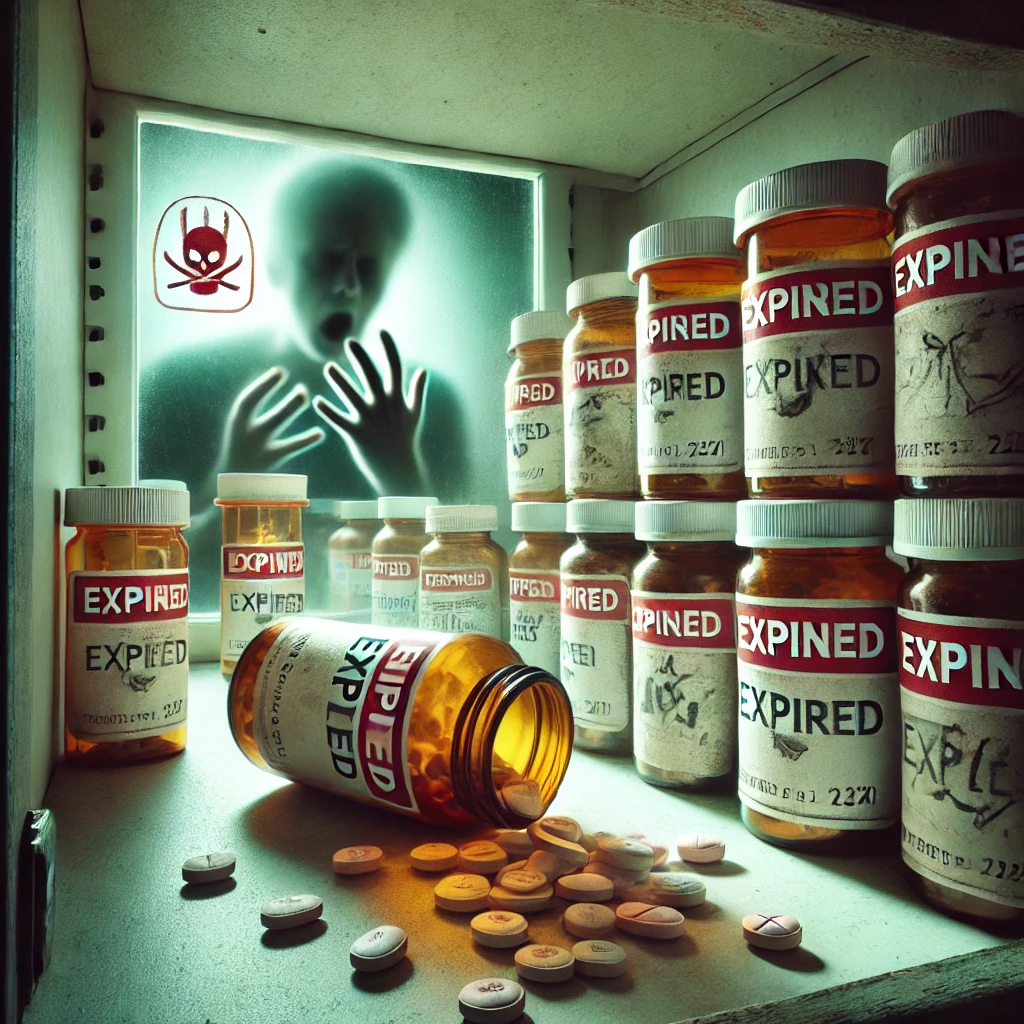
  • The Hidden Dangers of Expired Medications: Are You Putting Your Health at Risk?

    Have you ever reached for a pill bottle, noticed it expired a year ago, and thought, It’s probably still fine? If so, you’re not alone. Many people believe that expiration dates on medications are just a formality. However, using expired drugs can have serious consequences, from reduced effectiveness to life-threatening reactions.

    What Happens When Medications Expire?

    Medication expiration dates are not just random numbers; they indicate the period during which a drug is guaranteed to be safe and effective. Once a drug expires, several things can happen:

    Loss of Potency: Many medications lose their effectiveness over time. For instance, antibiotics like amoxicillin may no longer fight infections properly, leading to antibiotic resistance.

    Toxic Breakdown: Some medications break down into harmful substances when they expire. One well-known example is tetracycline, an antibiotic that can become toxic and cause kidney damage after expiration.

    Changes in Composition: Liquid medications, such as syrups and eye drops, can develop bacteria and fungi, making them unsafe to use.


    The Most Dangerous Expired Medications

    While some expired drugs may simply be ineffective, others can be outright dangerous. Be especially cautious with:

    Antibiotics – Expired antibiotics may not work effectively, allowing infections to worsen or mutate into drug-resistant strains.

    Insulin – Diabetics relying on expired insulin risk uncontrolled blood sugar levels, which can be life-threatening.

    Nitroglycerin (for heart conditions) – This drug loses potency over time, which could result in a fatal heart attack if ineffective during an emergency.

    Epinephrine (used for severe allergic reactions) – An expired EpiPen may not work fast enough to stop anaphylaxis, putting lives at risk.


    The Risks of Self-Medicating with Expired Drugs

    Many people in Nigeria and around the world avoid visiting hospitals, relying instead on leftover or expired medication. This habit is extremely risky because:

    You may take the wrong drug for your condition.

    Expired drugs may not work, leading to worsening illness.

    Some expired drugs become toxic and could cause severe side effects.


    What Should You Do with Expired Medications?

    Check expiration dates regularly – Go through your medicine cabinet at least twice a year and discard expired drugs.

    Dispose of medications safely – Do not flush them down the toilet (to prevent water contamination). Instead, take them to a pharmacy or wrap them in a sealed bag before throwing them away.

    Avoid stockpiling drugs – Only buy what you need and use prescriptions as directed.


    Final Thoughts

    When it comes to expired medications, the rule is simple: When in doubt, throw it out. Your health is too important to gamble on outdated drugs. Always consult a healthcare professional before taking any medication—expired or not.
    The Hidden Dangers of Expired Medications: Are You Putting Your Health at Risk? Have you ever reached for a pill bottle, noticed it expired a year ago, and thought, It’s probably still fine? If so, you’re not alone. Many people believe that expiration dates on medications are just a formality. However, using expired drugs can have serious consequences, from reduced effectiveness to life-threatening reactions. What Happens When Medications Expire? Medication expiration dates are not just random numbers; they indicate the period during which a drug is guaranteed to be safe and effective. Once a drug expires, several things can happen: Loss of Potency: Many medications lose their effectiveness over time. For instance, antibiotics like amoxicillin may no longer fight infections properly, leading to antibiotic resistance. Toxic Breakdown: Some medications break down into harmful substances when they expire. One well-known example is tetracycline, an antibiotic that can become toxic and cause kidney damage after expiration. Changes in Composition: Liquid medications, such as syrups and eye drops, can develop bacteria and fungi, making them unsafe to use. The Most Dangerous Expired Medications While some expired drugs may simply be ineffective, others can be outright dangerous. Be especially cautious with: Antibiotics – Expired antibiotics may not work effectively, allowing infections to worsen or mutate into drug-resistant strains. Insulin – Diabetics relying on expired insulin risk uncontrolled blood sugar levels, which can be life-threatening. Nitroglycerin (for heart conditions) – This drug loses potency over time, which could result in a fatal heart attack if ineffective during an emergency. Epinephrine (used for severe allergic reactions) – An expired EpiPen may not work fast enough to stop anaphylaxis, putting lives at risk. The Risks of Self-Medicating with Expired Drugs Many people in Nigeria and around the world avoid visiting hospitals, relying instead on leftover or expired medication. This habit is extremely risky because: You may take the wrong drug for your condition. Expired drugs may not work, leading to worsening illness. Some expired drugs become toxic and could cause severe side effects. What Should You Do with Expired Medications? Check expiration dates regularly – Go through your medicine cabinet at least twice a year and discard expired drugs. Dispose of medications safely – Do not flush them down the toilet (to prevent water contamination). Instead, take them to a pharmacy or wrap them in a sealed bag before throwing them away. Avoid stockpiling drugs – Only buy what you need and use prescriptions as directed. Final Thoughts When it comes to expired medications, the rule is simple: When in doubt, throw it out. Your health is too important to gamble on outdated drugs. Always consult a healthcare professional before taking any medication—expired or not.
    0 Comments 0 Shares 970 Views
YuSocial https://app.yusocial.com