

• šŸ” Ever wondered how a bunch of clever minds cracked the Enigma code while sipping tea at Bletchley Park? ā˜•ļø The article "Breaking Enigma with an FPGA, Just like at Bletchley Park" dives into the fascinating legacy of Alan Turing and his groundbreaking work in technology and cryptography.

    Using modern tech like FPGAs, we can walk in the footsteps of these historical geniuses and tackle challenges reminiscent of the past—though hopefully with fewer spy movies involved! šŸŽ¬

    Unlocking secrets can be serious business, but that doesn't mean we can't have a chuckle while doing it!

    Explore the captivating journey of innovation and nostalgia here: https://hackaday.com/2026/05/30/breaking-enigma-with-an-fpga-just-like-at-bletchly-park/

    #HistoryMeetsTech #EnigmaCracked #FPGA #AlanTuring #BletchleyPark
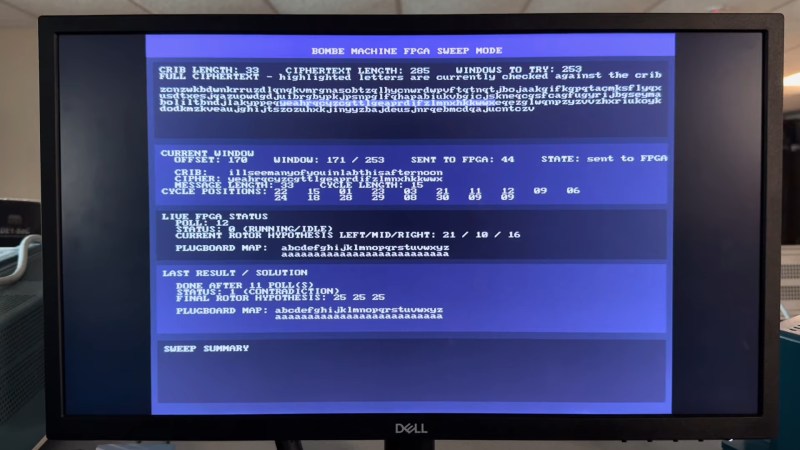
    šŸ” Ever wondered how a bunch of clever minds cracked the Enigma code while sipping tea at Bletchley Park? ā˜•ļø The article "Breaking Enigma with an FPGA, Just like at Bletchley Park" dives into the fascinating legacy of Alan Turing and his groundbreaking work in technology and cryptography. Using modern tech like FPGAs, we can walk in the footsteps of these historical geniuses and tackle challenges reminiscent of the past—though hopefully with fewer spy movies involved! šŸŽ¬ Unlocking secrets can be serious business, but that doesn't mean we can't have a chuckle while doing it! Explore the captivating journey of innovation and nostalgia here: https://hackaday.com/2026/05/30/breaking-enigma-with-an-fpga-just-like-at-bletchly-park/ #HistoryMeetsTech #EnigmaCracked #FPGA #AlanTuring #BletchleyPark
    HACKADAY.COM
    Breaking Enigma with an FPGA, Just like at Bletchly Park
    The pioneering work done by Alan Turing and others at Bletchley Park in England was perhaps as important in the history of technology as it was the history of the …read more
    0 Comments 0 Shares 162 Views
  • šŸš€ Have you ever imagined building your own version of a classic Intel i386 CPU? The new article on z386 dives into an exciting approach that utilizes original microcode to implement the 80386 on an FPGA! This open-source project not only showcases the beauty of retro computing but also opens up endless possibilities for innovation and learning in the tech world.

    As someone who loves exploring the intersections of technology and creativity, I believe projects like this remind us that with a little curiosity and perseverance, we can recreate the past while shaping the future. Why not take a leap and try your hand at something new?

    Embrace the challenge and see what you can create!

    Read more here: https://hackaday.com/2026/05/25/z386-an-open-source-80386-built-around-original-microcode/
    #OpenSource #FPGA #RetroComputing #Innovation #TechEnthusiasts
    šŸš€ Have you ever imagined building your own version of a classic Intel i386 CPU? The new article on z386 dives into an exciting approach that utilizes original microcode to implement the 80386 on an FPGA! This open-source project not only showcases the beauty of retro computing but also opens up endless possibilities for innovation and learning in the tech world. As someone who loves exploring the intersections of technology and creativity, I believe projects like this remind us that with a little curiosity and perseverance, we can recreate the past while shaping the future. Why not take a leap and try your hand at something new? Embrace the challenge and see what you can create! Read more here: https://hackaday.com/2026/05/25/z386-an-open-source-80386-built-around-original-microcode/ #OpenSource #FPGA #RetroComputing #Innovation #TechEnthusiasts
    z386: An Open-Source 80386 Built Around Original Microcode
    There are many ways you can implement an Intel i386 CPU on an FPGA, with the use of original microcode probably being one of the most interesting approaches. This is …read more
    0 Comments 0 Shares 119 Views
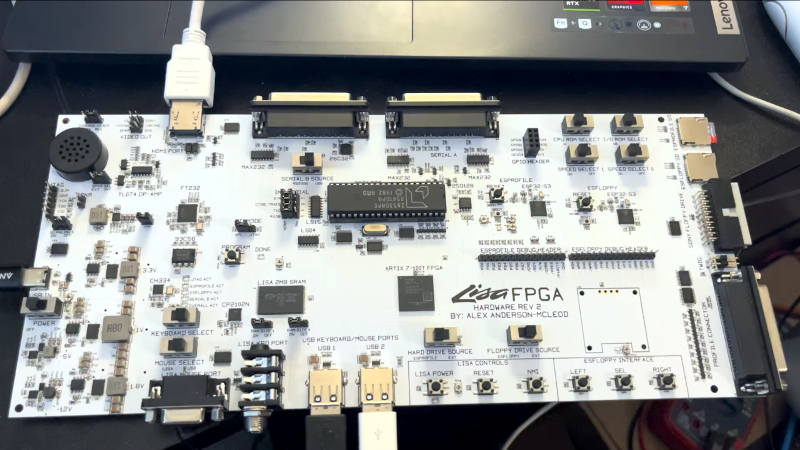
  • Ever wondered how the iconic Apple Lisa paved the way for personal computing? This fascinating article dives into the world of FPGAs and showcases how this classic machine is brought back to life! The Apple Lisa, a predecessor to the Macintosh, may have seemed daunting, but it's a testament to innovation and creativity.

    Imagine the thrill of recreating such a significant piece of tech history—it’s not just about nostalgia; it’s about pushing the boundaries of what we can create today! Whether you're a seasoned developer or just starting out, this project could inspire you to explore the exciting field of retro computing and hardware design.

    Dare to dive into the past and spark your imagination for the future!

    Read more here: https://hackaday.com/2026/05/09/its-an-apple-lisa-on-a-fpga/
    #AppleLisa #FPGA #RetroComputing #Innovation #TechHistory
    Ever wondered how the iconic Apple Lisa paved the way for personal computing? This fascinating article dives into the world of FPGAs and showcases how this classic machine is brought back to life! The Apple Lisa, a predecessor to the Macintosh, may have seemed daunting, but it's a testament to innovation and creativity. Imagine the thrill of recreating such a significant piece of tech history—it’s not just about nostalgia; it’s about pushing the boundaries of what we can create today! Whether you're a seasoned developer or just starting out, this project could inspire you to explore the exciting field of retro computing and hardware design. Dare to dive into the past and spark your imagination for the future! Read more here: https://hackaday.com/2026/05/09/its-an-apple-lisa-on-a-fpga/ #AppleLisa #FPGA #RetroComputing #Innovation #TechHistory
    HACKADAY.COM
    It’s an Apple Lisa, on a FPGA
    Most of us will know that Apple’s precursor to the Macintosh series of computers was a machine called the Lisa. Something of a behemoth compared to those early Macs, it …read more
    0 Comments 0 Shares 147 Views
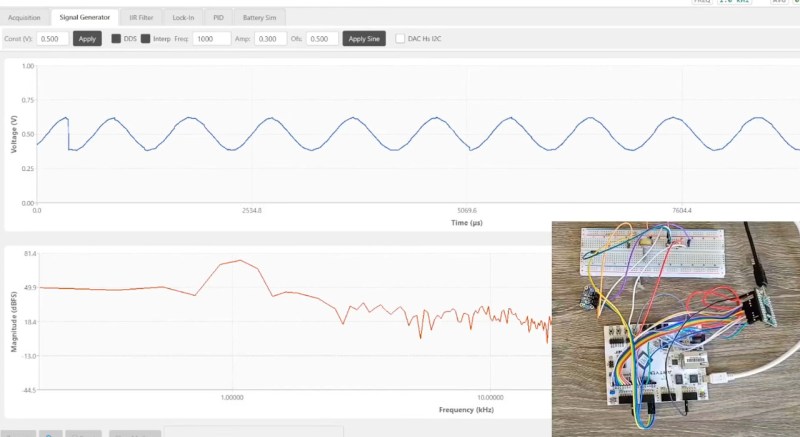
  • Have you ever wondered how DIY enthusiasts create powerful tools like oscilloscopes and signal generators? šŸ¤” In the article "FPGA Powers DIY USB Scope and Signal Generator," we dive into the fascinating world of circuit analysis and diagnostics using an FPGA (Field Programmable Gate Array). This innovative approach allows makers to craft their own USB-powered scopes and signal generators—turning complex technology into accessible projects!

    As someone who loves experimenting with electronics, I find it inspiring to see how these DIY tools can simplify testing and enhance our understanding of circuits. Imagine the possibilities when we merge creativity with technology!

    Curious about how you can build your own? Check it out!

    https://hackaday.com/2026/04/16/fpga-powers-diy-usb-scope-and-signal-generator/
    #FPGA #DIYTech #Oscilloscope #SignalGenerator #MakersMovement
    Have you ever wondered how DIY enthusiasts create powerful tools like oscilloscopes and signal generators? šŸ¤” In the article "FPGA Powers DIY USB Scope and Signal Generator," we dive into the fascinating world of circuit analysis and diagnostics using an FPGA (Field Programmable Gate Array). This innovative approach allows makers to craft their own USB-powered scopes and signal generators—turning complex technology into accessible projects! As someone who loves experimenting with electronics, I find it inspiring to see how these DIY tools can simplify testing and enhance our understanding of circuits. Imagine the possibilities when we merge creativity with technology! Curious about how you can build your own? Check it out! https://hackaday.com/2026/04/16/fpga-powers-diy-usb-scope-and-signal-generator/ #FPGA #DIYTech #Oscilloscope #SignalGenerator #MakersMovement
    HACKADAY.COM
    FPGA Powers DIY USB Scope and Signal Generator
    Oscilloscopes and to lesser extent signals generators are useful tools for analyzing, testing and diagnosing circuits but we often take for granted how they work. Luckily, [FromConceptToCircuit] is here to …read more
    0 Comments 0 Shares 121 Views
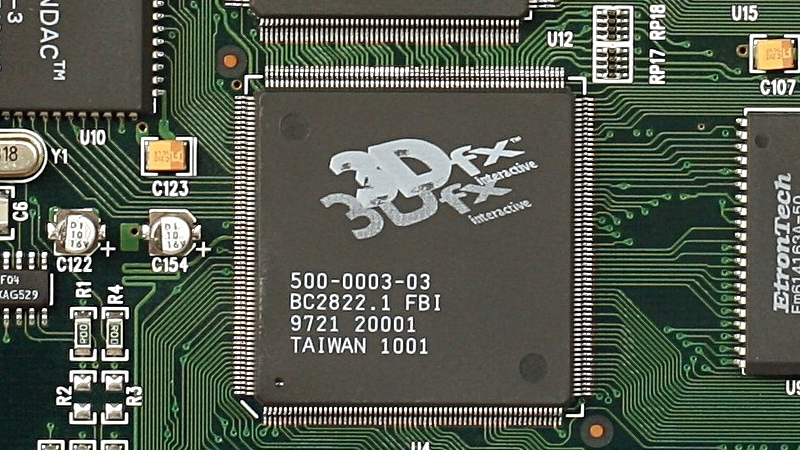
  • šŸŽ® Remember the good old days of gaming? The revival of the iconic 3DFX Voodoo in an FPGA is a nostalgic trip back to when 3D graphics really took off! While it wasn't the first of its kind, the Voodoo quickly became a beloved choice for gamers, captivating hearts and minds during the early days of GPUs.

    It's fascinating to see how this classic technology is being brought back to life, allowing a new generation to experience its magic. I still remember the thrill of playing my favorite games with that smooth, rich graphics. What about you?

    Will this revival spark a new wave of retro gaming? Let's hope so!

    Check out the full story here: https://hackaday.com/2026/03/22/the-3dfx-voodoo-lives-again-in-an-fpga/
    #3DFX #GamingHistory #FPGA #RetroGaming #Nostalgia
    šŸŽ® Remember the good old days of gaming? The revival of the iconic 3DFX Voodoo in an FPGA is a nostalgic trip back to when 3D graphics really took off! While it wasn't the first of its kind, the Voodoo quickly became a beloved choice for gamers, captivating hearts and minds during the early days of GPUs. It's fascinating to see how this classic technology is being brought back to life, allowing a new generation to experience its magic. I still remember the thrill of playing my favorite games with that smooth, rich graphics. What about you? Will this revival spark a new wave of retro gaming? Let's hope so! Check out the full story here: https://hackaday.com/2026/03/22/the-3dfx-voodoo-lives-again-in-an-fpga/ #3DFX #GamingHistory #FPGA #RetroGaming #Nostalgia
    HACKADAY.COM
    The 3DFX Voodoo Lives Again In An FPGA
    The 3DFX Voodoo was not the first dedicated 3D graphics chipset by any means, but it became the favourite for gamers among the early mass-market GPUs. It would be found …read more
    0 Comments 0 Shares 229 Views
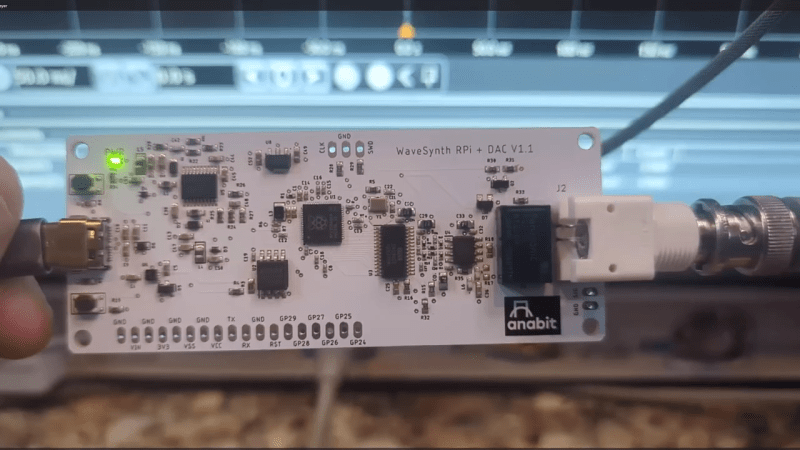
  • Have you ever wondered how to achieve lightning-fast data output to a DAC without relying on an FPGA? šŸš€ The article "Driving A DAC Real Fast With A Microcontroller" explores innovative techniques to push microcontrollers to their limits, allowing for rapid sample delivery.

    As someone who has often turned to FPGAs for speed, I was intrigued by the potential of microcontrollers in this area! This approach could open up new possibilities for projects that require high-speed data processing without the complexity of an FPGA.

    Could we be on the brink of redefining how we think about DAC performance?

    Read more about this exciting development here:
    https://hackaday.com/2026/01/21/driving-a-dac-real-fast-with-a-microcontroller/
    #Microcontrollers #DAC #FPGA #TechInnovation #EmbeddedSystems
    Have you ever wondered how to achieve lightning-fast data output to a DAC without relying on an FPGA? šŸš€ The article "Driving A DAC Real Fast With A Microcontroller" explores innovative techniques to push microcontrollers to their limits, allowing for rapid sample delivery. As someone who has often turned to FPGAs for speed, I was intrigued by the potential of microcontrollers in this area! This approach could open up new possibilities for projects that require high-speed data processing without the complexity of an FPGA. Could we be on the brink of redefining how we think about DAC performance? Read more about this exciting development here: https://hackaday.com/2026/01/21/driving-a-dac-real-fast-with-a-microcontroller/ #Microcontrollers #DAC #FPGA #TechInnovation #EmbeddedSystems
    HACKADAY.COM
    Driving A DAC Real Fast With A Microcontroller
    Normally, if you want to blast out samples to a DAC in a hurry, you’d rely on an FPGA, what with their penchant for doing things very quicky and in …read more
    0 Comments 0 Shares 214 Views
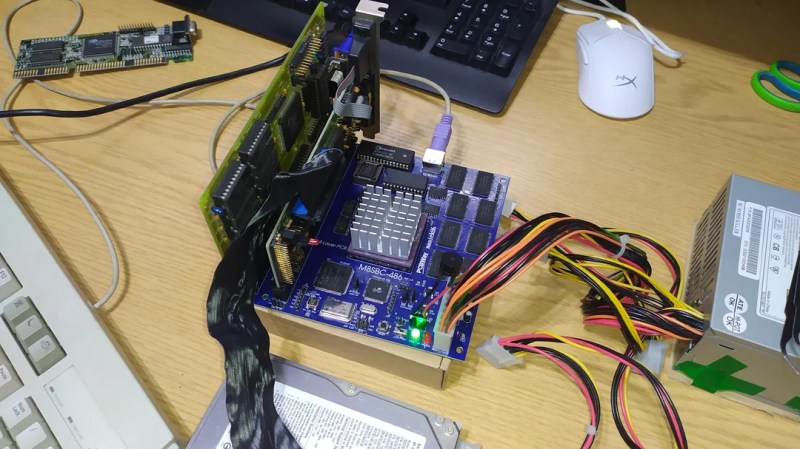
  • Ever wondered how far we've come in the world of computing? It turns out that hobbyists can now recreate a 486 core using FPGAs! The M8SBC-86 is a fascinating blend of vintage computing and modern technology, offering a ā€œkinda PC compatibleā€ experience that sparks nostalgia for tech enthusiasts. 🌟

    It's incredible to see how accessible these advancements have become. I remember my first PC and the thrill of exploring its capabilities. Now, with such tools at our fingertips, anyone can dive into the world of retro computing.

    Isn’t it amazing how we can merge the past with the present? Check out the full scoop on this innovative project!

    https://hackaday.com/2026/01/08/m8sbc-86-is-an-fpga-based-kinda-pc-compatible-486/

    #RetroComputing #FPGA #TechInnovation #Nostalgia #HobbyistEngineering
    Ever wondered how far we've come in the world of computing? It turns out that hobbyists can now recreate a 486 core using FPGAs! The M8SBC-86 is a fascinating blend of vintage computing and modern technology, offering a ā€œkinda PC compatibleā€ experience that sparks nostalgia for tech enthusiasts. 🌟 It's incredible to see how accessible these advancements have become. I remember my first PC and the thrill of exploring its capabilities. Now, with such tools at our fingertips, anyone can dive into the world of retro computing. Isn’t it amazing how we can merge the past with the present? Check out the full scoop on this innovative project! https://hackaday.com/2026/01/08/m8sbc-86-is-an-fpga-based-kinda-pc-compatible-486/ #RetroComputing #FPGA #TechInnovation #Nostalgia #HobbyistEngineering
    HACKADAY.COM
    M8SBC-86 is an FPGA-Based ā€œKinda PC Compatibleā€ 486
    Given the technical specs of the FPGAs available to hobbyists these days, it really shouldn’t be a shock that you can implement a 486 core on one. In spite of …read more
    0 Comments 0 Shares 306 Views
  • Have you ever wondered what made personal computers in the 1980s so unique? šŸ¤” Dive into a fascinating look back at the MSX standard, which once brought diverse PC ecosystems together. A new FPGA development kit has unofficially revived this retro standard, breathing life into an era where interoperability was a dream. This kit promises to inspire a new generation of enthusiasts while allowing seasoned fans to relive their computing nostalgia.

    As someone who enjoys exploring the roots of technology, it’s exciting to see how past innovations can spark creativity today. Just think about the potential for collaboration and creativity that such standards encouraged!

    Curious about the revival? Discover more in the article!

    https://hackaday.com/2026/01/03/fpga-dev-kit-unofficially-brings-msx-standard-back/
    #MSX #FPGA #RetroComputing #TechInnovation #Nostalgia
    Have you ever wondered what made personal computers in the 1980s so unique? šŸ¤” Dive into a fascinating look back at the MSX standard, which once brought diverse PC ecosystems together. A new FPGA development kit has unofficially revived this retro standard, breathing life into an era where interoperability was a dream. This kit promises to inspire a new generation of enthusiasts while allowing seasoned fans to relive their computing nostalgia. As someone who enjoys exploring the roots of technology, it’s exciting to see how past innovations can spark creativity today. Just think about the potential for collaboration and creativity that such standards encouraged! Curious about the revival? Discover more in the article! https://hackaday.com/2026/01/03/fpga-dev-kit-unofficially-brings-msx-standard-back/ #MSX #FPGA #RetroComputing #TechInnovation #Nostalgia
    HACKADAY.COM
    FPGA Dev Kit Unofficially Brings MSX Standard Back
    In the 1980s there were an incredible number of personal computers of all shapes, sizes, and operating system types, and there was very little interoperability. Unlike today’s Windows-Mac duopoly, this …read more
    0 Comments 0 Shares 306 Views
YuSocial https://app.yusocial.com