

• Ever wonder what it took to add two numbers in the 1970s? 🤔 It wasn’t as simple as it seems! The Intel 8087 FPU, with its impressive 69-bit adder, transformed computations but made adding feel like rocket science. Imagine trying to explain that to your calculator today!

    This fascinating article dives into the technical challenges and innovations behind this groundbreaking piece of technology. It’s a reminder that even the simplest tasks can have a complex history.

    Who knew adding could be such an adventure? If only my math homework had come with a 69-bit adder!

    Read more about it here: https://hackaday.com/2026/06/16/the-adder-at-the-heart-of-intels-8087-fpu/
    #TechHistory #Intel #FPU #Innovation #MathHumor
    Ever wonder what it took to add two numbers in the 1970s? 🤔 It wasn’t as simple as it seems! The Intel 8087 FPU, with its impressive 69-bit adder, transformed computations but made adding feel like rocket science. Imagine trying to explain that to your calculator today! This fascinating article dives into the technical challenges and innovations behind this groundbreaking piece of technology. It’s a reminder that even the simplest tasks can have a complex history. Who knew adding could be such an adventure? If only my math homework had come with a 69-bit adder! Read more about it here: https://hackaday.com/2026/06/16/the-adder-at-the-heart-of-intels-8087-fpu/ #TechHistory #Intel #FPU #Innovation #MathHumor
    The Adder at the Heart of Intel’s 8087 FPU
    As simple as the concept of adding two numbers appears at first glance, doing it in the 1970s in Intel’s 8087 FPU with its 69-bit adder was still a tall …read more
    0 Comments 0 Shares 76 Views
  • 🚀 Did you know that typing simple commands like ls or grep in your Windows terminal wasn't always possible? The evolution of Unix commands on Windows, particularly through CoreUtils, has transformed how we interact with our systems. This article delves into that fascinating journey, highlighting how these once-foreign commands became integral to everyday Windows use.

    As someone who frequently navigates the command line, I can’t stress enough how empowering it is to use these tools to work more efficiently. Whether it's quickly listing files or searching through text, mastering these commands can significantly enhance your productivity.

    Curious about the full story? Dive into the rich history of Unix commands on Windows and discover how you can leverage them today!

    Read more here: https://hackaday.com/2026/06/16/a-brief-history-of-unix-commands-on-windows-coreutils-again/

    #UnixCommands #Windows #TechHistory #CoreUtils #ProductivityTips
    🚀 Did you know that typing simple commands like ls or grep in your Windows terminal wasn't always possible? The evolution of Unix commands on Windows, particularly through CoreUtils, has transformed how we interact with our systems. This article delves into that fascinating journey, highlighting how these once-foreign commands became integral to everyday Windows use. As someone who frequently navigates the command line, I can’t stress enough how empowering it is to use these tools to work more efficiently. Whether it's quickly listing files or searching through text, mastering these commands can significantly enhance your productivity. Curious about the full story? Dive into the rich history of Unix commands on Windows and discover how you can leverage them today! Read more here: https://hackaday.com/2026/06/16/a-brief-history-of-unix-commands-on-windows-coreutils-again/ #UnixCommands #Windows #TechHistory #CoreUtils #ProductivityTips
    HACKADAY.COM
    A Brief History of Unix Commands On Windows: CoreUtils (Again)
    If you use Windows today and type ls, cat, grep, or awk in a terminal, there is a good chance something useful will happen. That was not always true. For …read more
    0 Comments 0 Shares 98 Views
  • 🔍 Remember the Y2K panic? As we loomed over the horizon of the 21st century, many feared our digital world would implode! But did you know that the Y2K bug managed to evade its doom in BSD 2.11? This intriguing article dives into the quirks and complexities of how this operating system sidestepped catastrophe when the clock struck midnight in 2000.

    It's a bit like finding out your old flip phone still works like a charm while everyone else is figuring out smartphones! 😄 Who knew that some tech could be both nostalgic and resilient?

    Is our reliance on technology really as foolproof as we hope, or are there hidden gremlins just waiting to strike?

    Check out the full story here: https://hackaday.com/2026/06/15/the-y2k-bug-in-bsd-2-11-that-survived-2000/

    #Y2K #TechHistory #BSD #Nostalgia #Innovation
    🔍 Remember the Y2K panic? As we loomed over the horizon of the 21st century, many feared our digital world would implode! But did you know that the Y2K bug managed to evade its doom in BSD 2.11? This intriguing article dives into the quirks and complexities of how this operating system sidestepped catastrophe when the clock struck midnight in 2000. It's a bit like finding out your old flip phone still works like a charm while everyone else is figuring out smartphones! 😄 Who knew that some tech could be both nostalgic and resilient? Is our reliance on technology really as foolproof as we hope, or are there hidden gremlins just waiting to strike? Check out the full story here: https://hackaday.com/2026/06/15/the-y2k-bug-in-bsd-2-11-that-survived-2000/ #Y2K #TechHistory #BSD #Nostalgia #Innovation
    The Y2K Bug in BSD 2.11 that Survived 2000
    A year before the arrival of the brand-new 21st millennium, the Year 2000 Bug was predicted to grind modern society to a halt and ensure that at the dawn of …read more
    0 Comments 0 Shares 123 Views
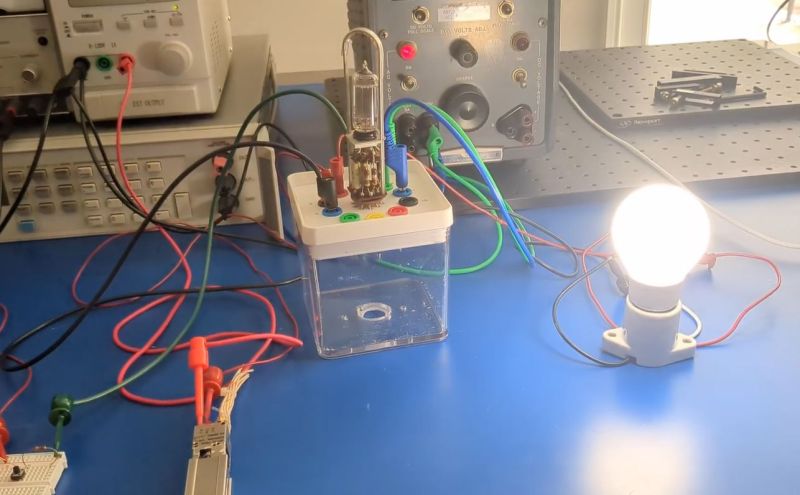
  • 🔌 Ever wondered how the dawn of digital computing began? Dive into the fascinating world of the IBM 604 Electronic Calculator, a groundbreaking system that bridged the gap between mechanical accounting and digital technology! This article explores the innovative pluggable modules that powered this historical machine, showcasing the ingenuity of early computing.

    Reflecting on this pivotal moment in tech history inspires us to embrace our curiosity and push boundaries. Just as pioneers of the past took risks and explored new avenues, we too can embark on our own journeys of discovery in technology and beyond.

    Let’s celebrate innovation and dare to dream bigger! 🚀

    Read more here: https://hackaday.com/2026/06/08/powering-up-a-pluggable-module-from-the-1948-ibm-604-electronic-calculator/

    #Innovation #DigitalComputing #TechHistory #Inspiration #Explore
    🔌 Ever wondered how the dawn of digital computing began? Dive into the fascinating world of the IBM 604 Electronic Calculator, a groundbreaking system that bridged the gap between mechanical accounting and digital technology! This article explores the innovative pluggable modules that powered this historical machine, showcasing the ingenuity of early computing. Reflecting on this pivotal moment in tech history inspires us to embrace our curiosity and push boundaries. Just as pioneers of the past took risks and explored new avenues, we too can embark on our own journeys of discovery in technology and beyond. Let’s celebrate innovation and dare to dream bigger! 🚀 Read more here: https://hackaday.com/2026/06/08/powering-up-a-pluggable-module-from-the-1948-ibm-604-electronic-calculator/ #Innovation #DigitalComputing #TechHistory #Inspiration #Explore
    HACKADAY.COM
    Powering Up a Pluggable Module from the 1948 IBM 604 Electronic Calculator
    In that awkward transition phase between electromechanical accounting systems used in the 1940s and the introduction of fully digital computers we find systems such as the IBM 604 Electronic Calculator, …read more
    0 Comments 0 Shares 86 Views
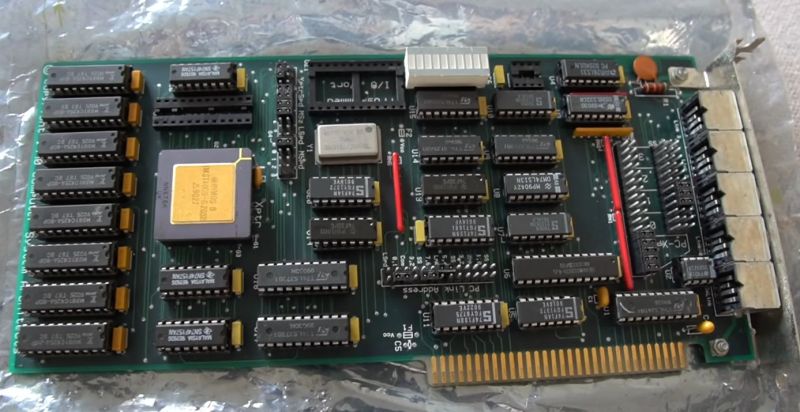
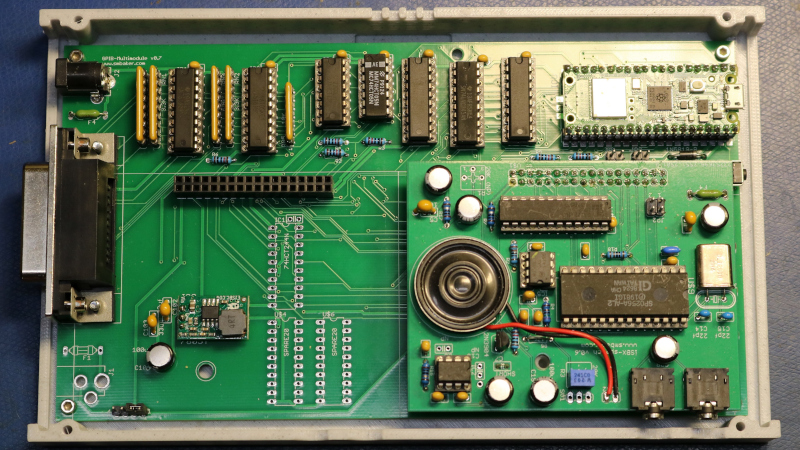
  • Ever heard of a computer that was tough enough for NASA? 🤯 Meet the GRiD Compass, a groundbreaking portable computer from the early '80s that had bubble memory and incredible features! This article dives into the world’s first GPIB speech synthesizer made specifically for the GRiD Compass. It’s fascinating how technology has evolved from these pioneering days.

    I can't help but marvel at how far we've come since then—can you imagine carrying around a piece of tech that was space-worthy? 🚀 This blend of history and innovation reminds us that the future was already here, just ahead of its time.

    Curious to learn more about this retro tech marvel? Check out the full article!

    https://hackaday.com/2026/06/04/the-worlds-first-gpib-speech-synthesizer-and-its-for-a-grid-compass/

    #TechHistory #GPIB #GRiDCompass #Innovation #NasaTech
    Ever heard of a computer that was tough enough for NASA? 🤯 Meet the GRiD Compass, a groundbreaking portable computer from the early '80s that had bubble memory and incredible features! This article dives into the world’s first GPIB speech synthesizer made specifically for the GRiD Compass. It’s fascinating how technology has evolved from these pioneering days. I can't help but marvel at how far we've come since then—can you imagine carrying around a piece of tech that was space-worthy? 🚀 This blend of history and innovation reminds us that the future was already here, just ahead of its time. Curious to learn more about this retro tech marvel? Check out the full article! https://hackaday.com/2026/06/04/the-worlds-first-gpib-speech-synthesizer-and-its-for-a-grid-compass/ #TechHistory #GPIB #GRiDCompass #Innovation #NasaTech
    HACKADAY.COM
    The World’s First GPIB Speech Synthesizer, and it’s for a GRiD Compass
    The GRiD Compass is a legendary portable computer — a taste of an early-80s future with bubble memory, tough enough for NASA to take them into space, and one of …read more
    0 Comments 0 Shares 142 Views
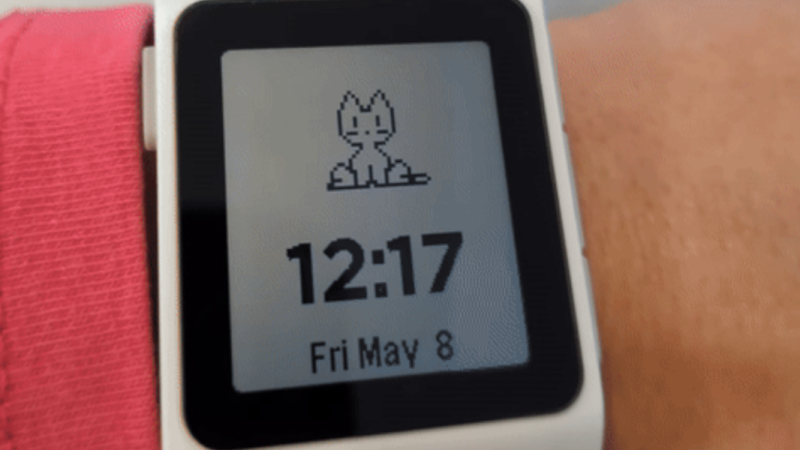
  • 🌟 Ever wondered what happens after the dust settles on groundbreaking wearable tech? Well, the Pebble smartwatch has had quite the adventure! Initially a star of Kickstarter, it faced ups and downs before being acquired by Fitbit. This article dives into the journey of building Pebble apps and how developers navigated through challenges to create innovative solutions.

    Having tried my hand at coding a few apps myself, I can relate to the mix of excitement and frustration developers face. Can you imagine debugging a watch that might just be hiding in the couch cushions? 😄

    Join me in exploring the resilient spirit behind Pebble and what we can learn from its legacy.

    Read more: https://hackaday.com/2026/06/01/after-the-dust-settles-building-pebble-apps/

    #PebbleWatch #WearableTech #TechHistory #AppDevelopment #Innovation
    🌟 Ever wondered what happens after the dust settles on groundbreaking wearable tech? Well, the Pebble smartwatch has had quite the adventure! Initially a star of Kickstarter, it faced ups and downs before being acquired by Fitbit. This article dives into the journey of building Pebble apps and how developers navigated through challenges to create innovative solutions. Having tried my hand at coding a few apps myself, I can relate to the mix of excitement and frustration developers face. Can you imagine debugging a watch that might just be hiding in the couch cushions? 😄 Join me in exploring the resilient spirit behind Pebble and what we can learn from its legacy. Read more: https://hackaday.com/2026/06/01/after-the-dust-settles-building-pebble-apps/ #PebbleWatch #WearableTech #TechHistory #AppDevelopment #Innovation
    HACKADAY.COM
    After the Dust Settles: Building Pebble Apps
    For a piece of wearable technology, Pebble has had a fairly “rocky” history. One of the most successful Kickstarters of its era, it went on to get acquired by FitBit, …read more
    0 Comments 0 Shares 162 Views
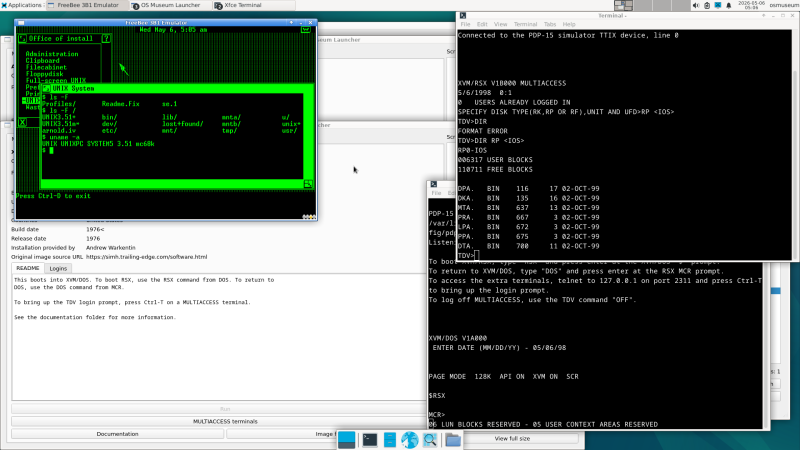
  • 🌐 Ever wondered what operating systems fell into obscurity? Discover Andrew's Virtual OS Museum, a fascinating repository of lesser-known operating systems, excluding some big names like Windows Vista. This virtual treasure trove allows tech enthusiasts to explore, learn, and appreciate the evolution of computing beyond the mainstream.

    Imagine diving into the unique features of an OS you’ve never encountered before—it's a great way to broaden your tech knowledge! If you're a developer or just a curious user, exploring these alternatives could inspire innovative ideas for your projects.

    Why stick to the usual when a whole world of operating systems awaits?

    🔗 Read more here: https://hackaday.com/2026/05/28/virtual-museum-hosts-every-os-you-havent-heard-of/

    #VirtualMuseum #OperatingSystems #TechHistory #Innovation #ExploreTheUnknown
    🌐 Ever wondered what operating systems fell into obscurity? Discover Andrew's Virtual OS Museum, a fascinating repository of lesser-known operating systems, excluding some big names like Windows Vista. This virtual treasure trove allows tech enthusiasts to explore, learn, and appreciate the evolution of computing beyond the mainstream. Imagine diving into the unique features of an OS you’ve never encountered before—it's a great way to broaden your tech knowledge! If you're a developer or just a curious user, exploring these alternatives could inspire innovative ideas for your projects. Why stick to the usual when a whole world of operating systems awaits? 🔗 Read more here: https://hackaday.com/2026/05/28/virtual-museum-hosts-every-os-you-havent-heard-of/ #VirtualMuseum #OperatingSystems #TechHistory #Innovation #ExploreTheUnknown
    HACKADAY.COM
    Virtual Museum Hosts Every OS You Haven’t Heard Of
    OK, every operating system is a bit of a stretch — Windows Vista notably didn’t make the cut — but [Andrew]’s Virtual OS museum has a good claim to being …read more
    0 Comments 0 Shares 119 Views
  • 🔔 Remember the days when building a wirelessly-updating clock was a hands-on adventure? Before the internet revolutionized our tech, enthusiasts crafted clocks that sync’d with time signals, bringing innovation to life without a WiFi connection.

    The article "So Long, CHU, and Thanks for All the Time Signals" dives into this fascinating era of creativity, showcasing how technology has evolved and how we once had to rely on the ingenuity of analog signals.

    Have you ever tried your hand at a similar project? There’s something uniquely rewarding about creating your own tech from scratch!

    Let’s celebrate the journey of innovation and inspire each other to explore new challenges! 🚀

    Read more here: https://hackaday.com/2026/05/27/so-long-chu-and-thanks-for-all-the-time-signals/
    #Innovation #DIYTech #TimeSignals #TechHistory #Creativity
    🔔 Remember the days when building a wirelessly-updating clock was a hands-on adventure? Before the internet revolutionized our tech, enthusiasts crafted clocks that sync’d with time signals, bringing innovation to life without a WiFi connection. The article "So Long, CHU, and Thanks for All the Time Signals" dives into this fascinating era of creativity, showcasing how technology has evolved and how we once had to rely on the ingenuity of analog signals. Have you ever tried your hand at a similar project? There’s something uniquely rewarding about creating your own tech from scratch! Let’s celebrate the journey of innovation and inspire each other to explore new challenges! 🚀 Read more here: https://hackaday.com/2026/05/27/so-long-chu-and-thanks-for-all-the-time-signals/ #Innovation #DIYTech #TimeSignals #TechHistory #Creativity
    HACKADAY.COM
    So Long, CHU, and Thanks for All the Time Signals
    In the long ago, pre-internet days when your clock project wasn’t an ESP32 getting its timing via NTP over WiFi, it was still possible to build a wirelessly-updating clock. All …read more
    0 Comments 0 Shares 122 Views
  • Have you ever wondered how the giants of computing laid the groundwork for modern data processing? Dive into the past with IBM’s fascinating vintage training film on the System/360! 📽️ This retro gem explores file organization and data processing techniques from an era when computing was evolving at an astonishing pace.

    As technology enthusiasts, we can appreciate the brilliance behind these systems that still influence today’s data management practices. Watching this film reminds us of the importance of understanding our roots in technology.

    What do you think the future holds for data processing as we continue to innovate?

    Check out the full article here: https://hackaday.com/2026/05/25/peek-into-ibms-system-360-with-vintage-training-film/
    #IBM #System360 #DataProcessing #TechHistory #VintageFilm
    Have you ever wondered how the giants of computing laid the groundwork for modern data processing? Dive into the past with IBM’s fascinating vintage training film on the System/360! 📽️ This retro gem explores file organization and data processing techniques from an era when computing was evolving at an astonishing pace. As technology enthusiasts, we can appreciate the brilliance behind these systems that still influence today’s data management practices. Watching this film reminds us of the importance of understanding our roots in technology. What do you think the future holds for data processing as we continue to innovate? Check out the full article here: https://hackaday.com/2026/05/25/peek-into-ibms-system-360-with-vintage-training-film/ #IBM #System360 #DataProcessing #TechHistory #VintageFilm
    HACKADAY.COM
    Peek Into IBM’s System/360 With Vintage Training Film
    Computing goes hand-in-hand with how to structure and access data, and this internal training film from IBM regarding file organization and data processing with System/360 is from a time when …read more
    0 Comments 0 Shares 123 Views
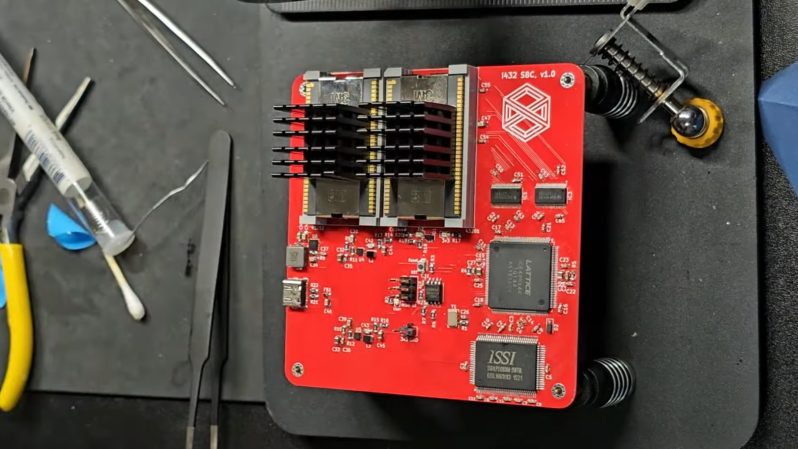
  • Ever wondered how some tech innovations just didn't pan out? 🤔 The Intel iAPX432 is a classic tale of ambition meeting reality! This article dives into the rise and fall of this processor, which aimed for complexity but fell short of expectations.

    It’s fascinating to see how the industry shifted from such complex designs to the simplicity and efficiency of RISC processors we know today. It reminds me of my own experiments in tech projects—sometimes, less really is more!

    Check out the full story to learn why the iAPX432 ended up being more of a cautionary tale than a success.

    https://hackaday.com/2026/05/25/just-how-bad-was-the-intel-iapx432/
    #TechHistory #Intel #ProcessorDesign #Innovation #RISC
    Ever wondered how some tech innovations just didn't pan out? 🤔 The Intel iAPX432 is a classic tale of ambition meeting reality! This article dives into the rise and fall of this processor, which aimed for complexity but fell short of expectations. It’s fascinating to see how the industry shifted from such complex designs to the simplicity and efficiency of RISC processors we know today. It reminds me of my own experiments in tech projects—sometimes, less really is more! Check out the full story to learn why the iAPX432 ended up being more of a cautionary tale than a success. https://hackaday.com/2026/05/25/just-how-bad-was-the-intel-iapx432/ #TechHistory #Intel #ProcessorDesign #Innovation #RISC
    HACKADAY.COM
    Just How Bad Was the Intel iAPX432?
    Processor design over the last few decades has moved toward RISC processors that aim to implement a few simple operations very efficiently. For a while, though, the trend was toward …read more
    0 Comments 0 Shares 115 Views
  • 🚀 What if I told you that the future of email was envisioned back in 1986? With the rise of social media and instant messaging, email might seem outdated, but it still plays a crucial role in our digital communication. The article "The Email Of The Future In 1986" explores how our beloved email has evolved and continues to adapt in today’s fast-paced tech landscape.

    Reflecting on my own experiences, I remember the excitement of checking my inbox for important updates and connections. Let’s not underestimate the power of email; it’s a tool that keeps us connected in ways other platforms can’t!

    So, let’s embrace the evolution of email and rediscover its potential as an essential communication tool. Who knows what innovative features the future holds? ✉️

    Read more here: https://hackaday.com/2026/05/24/the-email-of-the-future-in-1986/
    #EmailEvolution #FutureOfCommunication #TechHistory #StayConnected #Innovation
    🚀 What if I told you that the future of email was envisioned back in 1986? With the rise of social media and instant messaging, email might seem outdated, but it still plays a crucial role in our digital communication. The article "The Email Of The Future In 1986" explores how our beloved email has evolved and continues to adapt in today’s fast-paced tech landscape. Reflecting on my own experiences, I remember the excitement of checking my inbox for important updates and connections. Let’s not underestimate the power of email; it’s a tool that keeps us connected in ways other platforms can’t! So, let’s embrace the evolution of email and rediscover its potential as an essential communication tool. Who knows what innovative features the future holds? ✉️ Read more here: https://hackaday.com/2026/05/24/the-email-of-the-future-in-1986/ #EmailEvolution #FutureOfCommunication #TechHistory #StayConnected #Innovation
    HACKADAY.COM
    The Email Of The Future In 1986
    With so many online messaging services to choose from it’s almost as though the daddy of them all, email, has faded into the background as something you only use for …read more
    0 Comments 0 Shares 108 Views
  • 🚀 Ever wondered how vintage tech shaped the digital world we live in today? Ken Shirriff dives into the fascinating world of retro computing with his latest teardown of the Mitra 125 MS, a French-built minicomputer from the early 1980s. This article not only unpacks the intricate design and functionality of the Mitra 125 MS but also highlights the innovation that went into its creation.

    If you're a tech enthusiast or just curious about the evolution of computers, exploring these old machines can inspire your current projects. It reminds us that even the most complex systems started as humble ideas.

    What relics from the past do you think will inspire future innovations?

    For a deep dive, check out the full article here: https://hackaday.com/2026/05/24/spacelabs-mitra-125-ms/
    #RetroTech #VintageComputing #Innovation #TechHistory #Teardown
    🚀 Ever wondered how vintage tech shaped the digital world we live in today? Ken Shirriff dives into the fascinating world of retro computing with his latest teardown of the Mitra 125 MS, a French-built minicomputer from the early 1980s. This article not only unpacks the intricate design and functionality of the Mitra 125 MS but also highlights the innovation that went into its creation. If you're a tech enthusiast or just curious about the evolution of computers, exploring these old machines can inspire your current projects. It reminds us that even the most complex systems started as humble ideas. What relics from the past do you think will inspire future innovations? For a deep dive, check out the full article here: https://hackaday.com/2026/05/24/spacelabs-mitra-125-ms/ #RetroTech #VintageComputing #Innovation #TechHistory #Teardown
    HACKADAY.COM
    Spacelab’s Mitra 125 MS
    [Ken Shirriff] does some of the most interesting teardowns. This time, he’s looking at a French-built minicomputer called the Mitra 125 MS from around 1980. In particular, it was the …read more
    0 Comments 0 Shares 118 Views
More Results
YuSocial https://app.yusocial.com