


Directory
Discover new people, create new connections and make new friends
-
-
“Stroke Doesn’t Knock , It Crashes In: What You Need to Know Before It’s Too Late”
Stroke is one of those health issues many people think only happens to “older people.”
Until suddenly, it’s not just a headline it’s a family member, a friend, someone at church, a colleague… or even a young person on social media.
The truth?
Stroke is no longer an “old age problem.”
Stress-filled lifestyles, high blood pressure, smoking, poor diet, and even untreated infections are bringing it closer and faster.
A stroke happens when the blood flow to the brain is blocked or a blood vessel bursts.
And because the brain controls everything, one moment can change everything movement, speech, memory, even personality.
So How Do Strokes Show Up?
A stroke doesn’t always come with drama. Sometimes it whispers before it screams.
Watch out for sudden:
Weakness or numbness on one side of the body
Drooping face or slurred speech
Trouble understanding others
Loss of balance or confusion
Severe headache out of nowhere
Use the FAST rule:
F – Face: Is one side dropping?
A – Arms: Can they raise both?
S – Speech: Slurred or strange?
T – Time: Rush to the hospital immediately every minute matters.
Why Younger People Are at Risk Now
Let’s be honest modern habits aren’t helping us:
Constant stress & overthinking
High blood pressure (often undiagnosed)
Too much salt and processed food
Smoking & alcohol
Sitting more than we move
Ignoring headaches and dizziness
Poor sleep and dehydration
A lot of us feel tired but push through, saying “I’ll be fine.”
Your body hears you but one day, it might respond differently.
How to Protect Yourself
No extreme diet or expensive detox needed. Just intentional living:
Check your blood pressure regularly
Eat less salty & oily foods
Stay hydrated
Move your body even a 20 minutes walk helps
Reduce alcohol & avoid smoking
Take stress breaks your brain needs rest too
Treat headaches and dizziness seriously
Visit the hospital if something feels “off”
Small habits save lives literally.
Final Thought
Stroke doesn’t send a warning letter.
It doesn’t wait for you to “finish that task first.”
Your health is not an inconvenience ;t’s your life.
Listen to your body before it forces you to stop.“Stroke Doesn’t Knock , It Crashes In: What You Need to Know Before It’s Too Late” Stroke is one of those health issues many people think only happens to “older people.” Until suddenly, it’s not just a headline it’s a family member, a friend, someone at church, a colleague… or even a young person on social media. The truth? Stroke is no longer an “old age problem.” Stress-filled lifestyles, high blood pressure, smoking, poor diet, and even untreated infections are bringing it closer and faster. A stroke happens when the blood flow to the brain is blocked or a blood vessel bursts. And because the brain controls everything, one moment can change everything movement, speech, memory, even personality. So How Do Strokes Show Up? A stroke doesn’t always come with drama. Sometimes it whispers before it screams. Watch out for sudden: Weakness or numbness on one side of the body Drooping face or slurred speech Trouble understanding others Loss of balance or confusion Severe headache out of nowhere Use the FAST rule: F – Face: Is one side dropping? A – Arms: Can they raise both? S – Speech: Slurred or strange? T – Time: Rush to the hospital immediately every minute matters. Why Younger People Are at Risk Now Let’s be honest modern habits aren’t helping us: Constant stress & overthinking High blood pressure (often undiagnosed) Too much salt and processed food Smoking & alcohol Sitting more than we move Ignoring headaches and dizziness Poor sleep and dehydration A lot of us feel tired but push through, saying “I’ll be fine.” Your body hears you but one day, it might respond differently. How to Protect Yourself No extreme diet or expensive detox needed. Just intentional living: Check your blood pressure regularly Eat less salty & oily foods Stay hydrated Move your body even a 20 minutes walk helps Reduce alcohol & avoid smoking Take stress breaks your brain needs rest too Treat headaches and dizziness seriously Visit the hospital if something feels “off” Small habits save lives literally. Final Thought Stroke doesn’t send a warning letter. It doesn’t wait for you to “finish that task first.” Your health is not an inconvenience ;t’s your life. Listen to your body before it forces you to stop. 0 Comments 0 Shares 2K Views
 -
Stress, Hormones & Belly Fat The Female Connection
Ever wondered why belly fat seems to “suddenly show up” and refuses to leave even when you’re eating right and moving your body?
For many women, the answer isn’t just calories… it’s hormones and stress.
How Stress Changes a Woman’s Body
When you’re stressed whether from work, family, relationships, finances, or even silent emotional pressure your body produces a hormone called cortisol.
In small doses, cortisol helps you handle challenges. But when stress becomes constant, cortisol stays high. And here’s the tricky part:
> High cortisol tells your body to store fat especially around your belly.
Hormones That Play a Big Role
Women’s bodies are constantly navigating hormonal shifts from puberty to pregnancy to perimenopause and menopause. The key players include:
Cortisol ;stress hormone → increases belly fat
Estrogen; when it drops, the body stores more fat in the abdomen
Insulin; affected by sugar intake and stress, leads to fat storage
Leptin; hunger hormone, disrupted by poor sleep and stress
So no, you’re not “lazy.”
Your body may simply be responding to stress and hormonal changes.
Common Signs Stress & Hormones Are Affecting Your Belly
You may notice:
1. Weight gain mainly around the stomach
2. Cravings for sugary or salty snacks
3. Tiredness even after sleeping
4. Mood changes or anxiety
5. Bloating and sluggish digestion
These are real signals not excuses.
How to Fight Stress-Related Belly Fat
You don’t need extreme dieting. Focus on balance:
✅ Prioritize 7-8 hours of sleep
✅ Eat protein, fiber, and healthy fats (keeps hormones steady)
✅ Reduce caffeine & sugary snacks
✅ Practice breathing exercises or journaling
✅ Move your body daily, walking counts
✅ Avoid starvation diets ,they increase cortisol
Bottom Line
Belly fat in women is not just about food or exercise, it’s deeply connected to stress and hormones.
Understanding this helps you approach your body with patience and respect, not frustration.
Your body is not fighting you , it’s protecting you.
Support it gently…and it will respondStress, Hormones & Belly Fat The Female Connection Ever wondered why belly fat seems to “suddenly show up” and refuses to leave even when you’re eating right and moving your body? For many women, the answer isn’t just calories… it’s hormones and stress. How Stress Changes a Woman’s Body When you’re stressed whether from work, family, relationships, finances, or even silent emotional pressure your body produces a hormone called cortisol. In small doses, cortisol helps you handle challenges. But when stress becomes constant, cortisol stays high. And here’s the tricky part: > High cortisol tells your body to store fat especially around your belly. Hormones That Play a Big Role Women’s bodies are constantly navigating hormonal shifts from puberty to pregnancy to perimenopause and menopause. The key players include: Cortisol ;stress hormone → increases belly fat Estrogen; when it drops, the body stores more fat in the abdomen Insulin; affected by sugar intake and stress, leads to fat storage Leptin; hunger hormone, disrupted by poor sleep and stress So no, you’re not “lazy.” Your body may simply be responding to stress and hormonal changes. Common Signs Stress & Hormones Are Affecting Your Belly You may notice: 1. Weight gain mainly around the stomach 2. Cravings for sugary or salty snacks 3. Tiredness even after sleeping 4. Mood changes or anxiety 5. Bloating and sluggish digestion These are real signals not excuses. How to Fight Stress-Related Belly Fat You don’t need extreme dieting. Focus on balance: ✅ Prioritize 7-8 hours of sleep ✅ Eat protein, fiber, and healthy fats (keeps hormones steady) ✅ Reduce caffeine & sugary snacks ✅ Practice breathing exercises or journaling ✅ Move your body daily, walking counts ✅ Avoid starvation diets ,they increase cortisol Bottom Line Belly fat in women is not just about food or exercise, it’s deeply connected to stress and hormones. Understanding this helps you approach your body with patience and respect, not frustration. Your body is not fighting you , it’s protecting you. Support it gently…and it will respond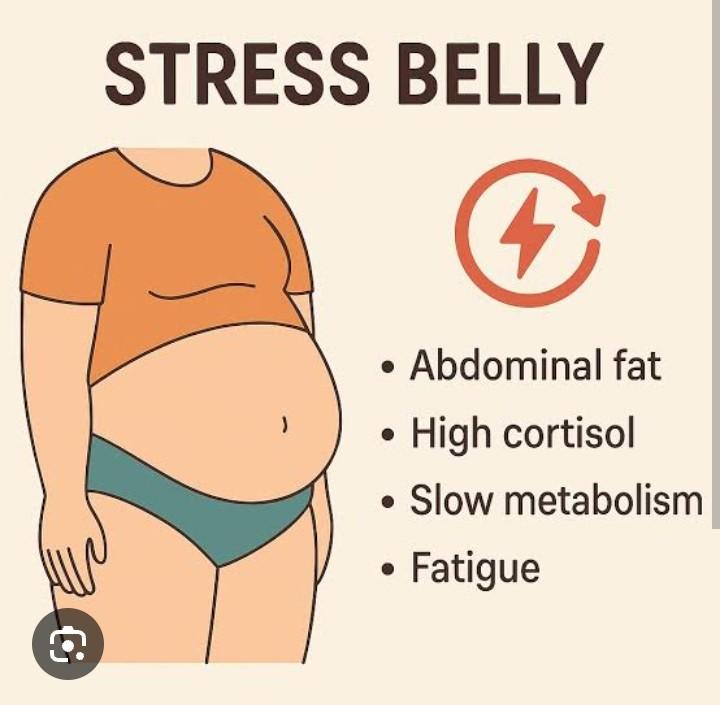 0 Comments 0 Shares 2K Views
 -
Now Ezra's matter has been brought to the fore, let's use the opportunity to do some introspection.
Are there habits/associations/lifestyle (past or present) that could jeopardize the beautiful future you are striving hard to create?Now Ezra's matter has been brought to the fore, let's use the opportunity to do some introspection. Are there habits/associations/lifestyle (past or present) that could jeopardize the beautiful future you are striving hard to create?0 Comments 0 Shares 1K Views -
Handle Conflicts Without Breaking the Relationship.
Watch full video https://youtu.be/lXTOqEZ-TKw?si=MUopk_JJPVfb6R3uHandle Conflicts Without Breaking the Relationship. Watch full video https://youtu.be/lXTOqEZ-TKw?si=MUopk_JJPVfb6R3u0 Comments 0 Shares 2K Views1
-