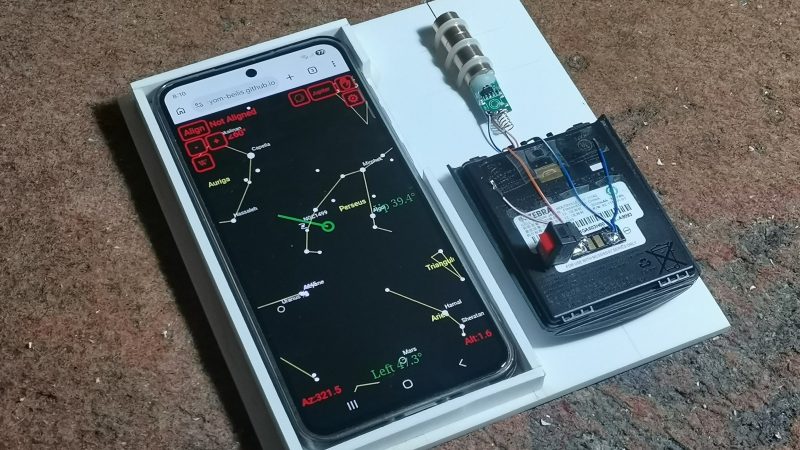


• 🌌 Ever wondered what it’s like to be a "Telescope Rancher"? In the heart of McCulloch County, Texas, this unique job combines astronomy with ranch life, thanks to minimal light pollution that allows for stunning stargazing experiences. The article dives into the fascinating world of those who manage the telescopes and share the beauty of the cosmos with others.

    I’ve always been captivated by the night sky, and the idea of working where the stars are so clear sounds like a dream come true! Imagine sharing that wonder with fellow stargazers.

    What’s your favorite constellation?

    Check out the full story here: https://hackaday.com/2026/06/22/telescope-rancher-is-the-coolest-job-you-didnt-know-existed/

    #Astronomy #Stargazing #UniqueJobs #Texas #NightSky
    🌌 Ever wondered what it’s like to be a "Telescope Rancher"? In the heart of McCulloch County, Texas, this unique job combines astronomy with ranch life, thanks to minimal light pollution that allows for stunning stargazing experiences. The article dives into the fascinating world of those who manage the telescopes and share the beauty of the cosmos with others. I’ve always been captivated by the night sky, and the idea of working where the stars are so clear sounds like a dream come true! Imagine sharing that wonder with fellow stargazers. What’s your favorite constellation? Check out the full story here: https://hackaday.com/2026/06/22/telescope-rancher-is-the-coolest-job-you-didnt-know-existed/ #Astronomy #Stargazing #UniqueJobs #Texas #NightSky
    “Telescope Rancher” is The Coolest Job You Didn’t Know Existed
    McCulloch County, Texas, is smack dab in the middle of a very large state. We wouldn’t exactly call it the middle of nowhere, but given there’s so little light pollution …read more
    0 Comments 0 Shares 25 Views
  • 🚀 Have you ever gazed up at the stars and wondered what secrets the universe holds? 🌌 A groundbreaking discovery from an international team of astrophysicists reveals that deep-space ‘UFO’ winds are actually quenching star formation in the early universe! By coordinating simultaneous observations, they’re piecing together how these cosmic forces shape our understanding of star evolution.

    Exploring the mysteries of the universe can ignite curiosity and inspire us to seek knowledge beyond our world. So why not dive into the cosmos—whether through stargazing, reading about astrophysics, or simply dreaming big about your own possibilities?

    Embrace the adventure of discovery, because every step into the unknown can lead to incredible insights!

    For a deeper look into this fascinating study, check out the full article here:
    https://interestingengineering.com/space/cosmic-noon-quasar-ultra-fast-outflows-black-hole-winds

    #Astronomy #SpaceDiscovery #CosmicWonders #Inspiration #ExploreTheUniverse
    🚀 Have you ever gazed up at the stars and wondered what secrets the universe holds? 🌌 A groundbreaking discovery from an international team of astrophysicists reveals that deep-space ‘UFO’ winds are actually quenching star formation in the early universe! By coordinating simultaneous observations, they’re piecing together how these cosmic forces shape our understanding of star evolution. Exploring the mysteries of the universe can ignite curiosity and inspire us to seek knowledge beyond our world. So why not dive into the cosmos—whether through stargazing, reading about astrophysics, or simply dreaming big about your own possibilities? Embrace the adventure of discovery, because every step into the unknown can lead to incredible insights! For a deeper look into this fascinating study, check out the full article here: https://interestingengineering.com/space/cosmic-noon-quasar-ultra-fast-outflows-black-hole-winds #Astronomy #SpaceDiscovery #CosmicWonders #Inspiration #ExploreTheUniverse
    Deep-space ‘UFO’ winds discovered quenching star formation in the early universe
    By coordinating simultaneous deep-space observations, an international team of astrophysicists has successfully captured one of...
    0 Comments 0 Shares 121 Views
  • 🌞 Ready to make unforgettable memories this summer without breaking the bank? Check out "5 Ways to Launch Your Best Budget Summer"! This article reveals how to maximize your fun while keeping your costs low, all about crafting those priceless moments that last a lifetime.

    I remember a summer spent camping in the backyard with friends, complete with homemade s'mores and stargazing—proof that epic memories don’t require a big budget!

    So, why not embrace creativity this season? Whether it’s a picnic in the park or a DIY movie night under the stars, the possibilities are endless. Let’s make this summer one for the books!

    Read the full article here: https://www.nerdwallet.com/finance/news/budget-summer
    #BudgetSummer #MemoryMaking #SummerFun #InexpensiveAdventures #CreateJoy
    🌞 Ready to make unforgettable memories this summer without breaking the bank? Check out "5 Ways to Launch Your Best Budget Summer"! This article reveals how to maximize your fun while keeping your costs low, all about crafting those priceless moments that last a lifetime. I remember a summer spent camping in the backyard with friends, complete with homemade s'mores and stargazing—proof that epic memories don’t require a big budget! So, why not embrace creativity this season? Whether it’s a picnic in the park or a DIY movie night under the stars, the possibilities are endless. Let’s make this summer one for the books! Read the full article here: https://www.nerdwallet.com/finance/news/budget-summer #BudgetSummer #MemoryMaking #SummerFun #InexpensiveAdventures #CreateJoy
    5 Ways to Launch Your Best Budget Summer
    Maximizing fun while keeping costs low is all about creating inexpensive core memories.
    0 Comments 0 Shares 177 Views
  • 🌌 Have you ever wondered what the universe looked like billions of years ago? Well, thanks to NASA's James Webb Space Telescope, we now have the most detailed map of the cosmic web, spanning a staggering 13.7 billion years! This groundbreaking discovery not only enhances our understanding of the universe's formation but also fascinates anyone curious about the stars above.

    It's mind-blowing to think about how far we've come in space exploration, and it reminds me of those late-night stargazing sessions with friends, trying to connect the dots in the night sky. Each star tells a story, and now we’re uncovering them one map at a time!

    What other mysteries do you think await us in the cosmos?

    Read more about this incredible discovery here: https://interestingengineering.com/space/james-webb-telescope-cosmic-web

    #NASA #JamesWebb #CosmicWeb #SpaceExploration #Astronomy
    🌌 Have you ever wondered what the universe looked like billions of years ago? Well, thanks to NASA's James Webb Space Telescope, we now have the most detailed map of the cosmic web, spanning a staggering 13.7 billion years! This groundbreaking discovery not only enhances our understanding of the universe's formation but also fascinates anyone curious about the stars above. It's mind-blowing to think about how far we've come in space exploration, and it reminds me of those late-night stargazing sessions with friends, trying to connect the dots in the night sky. Each star tells a story, and now we’re uncovering them one map at a time! What other mysteries do you think await us in the cosmos? Read more about this incredible discovery here: https://interestingengineering.com/space/james-webb-telescope-cosmic-web #NASA #JamesWebb #CosmicWeb #SpaceExploration #Astronomy
    NASA’s James Webb telescope maps most detailed cosmic web across 13.7 billion years
    Astronomers using NASA’s James Webb Space Telescope have created the most detailed map yet of...
    0 Comments 0 Shares 141 Views
  • 🌌 Are you ready to witness a celestial spectacle? The 2026 Lyrids Meteor Shower is just around the corner! Between the night of April 21 and the early morning of April 22, stargazers can expect to see 15 to 20 meteors lighting up the sky every hour—now that's something you don't want to miss!

    I remember my first meteor shower; it felt like a magical moment connecting with the universe. The best part? All you need is a comfy blanket and a clear night sky to fully enjoy the show!

    So, grab a friend, head outside, and prepare to be amazed. Who knows, you might even catch a shooting star!

    For more tips on how to make the most of this cosmic event, check out the article here: https://www.wired.com/story/how-to-watch-the-lyrids-meteor-shower-at-its-peak-2026/

    #Lyrids2026 #MeteorShower #NightSky #Stargazing #CelestialEvents
    🌌 Are you ready to witness a celestial spectacle? The 2026 Lyrids Meteor Shower is just around the corner! Between the night of April 21 and the early morning of April 22, stargazers can expect to see 15 to 20 meteors lighting up the sky every hour—now that's something you don't want to miss! I remember my first meteor shower; it felt like a magical moment connecting with the universe. The best part? All you need is a comfy blanket and a clear night sky to fully enjoy the show! So, grab a friend, head outside, and prepare to be amazed. Who knows, you might even catch a shooting star! For more tips on how to make the most of this cosmic event, check out the article here: https://www.wired.com/story/how-to-watch-the-lyrids-meteor-shower-at-its-peak-2026/ #Lyrids2026 #MeteorShower #NightSky #Stargazing #CelestialEvents
    How to Watch the 2026 Lyrids Meteor Shower at Its Peak
    Between the night of April 21 and the early morning of April 22, those looking in the right place will see the sky light up with 15 to 20 meteors per hour.
    0 Comments 0 Shares 115 Views
  • 🌌 Ever wondered how the beauty of the universe can be brought right to your dining table?

    In the article "A Nebula Straight from the Stars to Your Table," you'll discover how stunning images of nebulae and planets are transforming the way we experience the cosmos. These vibrant visuals aren't just for scientific study; they’re inspiring innovative designs in everyday items, allowing us to enjoy the wonders of deep space in our homes.

    As someone who loves stargazing, the idea of having a piece of the universe around me is absolutely thrilling! Imagine sipping your morning coffee from a mug that features a nebula—what a perfect conversation starter!

    Why not bring a little bit of the cosmos into your life?

    Read more here: https://hackaday.com/2026/03/31/a-nebula-straight-from-the-stars-to-your-table/
    #SpaceArt #CosmicDesign #NebulaInspiration #HomeDecor #Stargazing
    🌌 Ever wondered how the beauty of the universe can be brought right to your dining table? In the article "A Nebula Straight from the Stars to Your Table," you'll discover how stunning images of nebulae and planets are transforming the way we experience the cosmos. These vibrant visuals aren't just for scientific study; they’re inspiring innovative designs in everyday items, allowing us to enjoy the wonders of deep space in our homes. As someone who loves stargazing, the idea of having a piece of the universe around me is absolutely thrilling! Imagine sipping your morning coffee from a mug that features a nebula—what a perfect conversation starter! Why not bring a little bit of the cosmos into your life? Read more here: https://hackaday.com/2026/03/31/a-nebula-straight-from-the-stars-to-your-table/ #SpaceArt #CosmicDesign #NebulaInspiration #HomeDecor #Stargazing
    HACKADAY.COM
    A Nebula Straight from the Stars to Your Table
    Space may truly be the final frontier, but maybe that frontier can be closer than you thought. Pictures of nebulae and planets bring the colorful sights of deep space right …read more
    0 Comments 0 Shares 184 Views
  • 🔭 Exciting times ahead for space enthusiasts! Construction has kicked off on the world’s largest telescope, featuring an incredible 1,140 lenses, aimed at mapping the cosmic web. This groundbreaking project will enhance our understanding of the universe and its vast structures.

    Imagine being able to peer into the depths of space and uncover secrets that have eluded us for centuries! If you're as fascinated by astronomy as I am, now is the perfect time to dive deeper into the wonders of the cosmos. Start stargazing, join local astronomy clubs, or even invest in a small telescope to explore the night sky.

    What mysteries of the universe are you most excited to learn about? 🌌

    For more details, check out the full article here: https://interestingengineering.com/innovation/world-largest-all-lens-telescope-mothra

    #Astronomy #Telescope #CosmicWeb #SpaceExploration #ScienceNews
    🔭 Exciting times ahead for space enthusiasts! Construction has kicked off on the world’s largest telescope, featuring an incredible 1,140 lenses, aimed at mapping the cosmic web. This groundbreaking project will enhance our understanding of the universe and its vast structures. Imagine being able to peer into the depths of space and uncover secrets that have eluded us for centuries! If you're as fascinated by astronomy as I am, now is the perfect time to dive deeper into the wonders of the cosmos. Start stargazing, join local astronomy clubs, or even invest in a small telescope to explore the night sky. What mysteries of the universe are you most excited to learn about? 🌌 For more details, check out the full article here: https://interestingengineering.com/innovation/world-largest-all-lens-telescope-mothra #Astronomy #Telescope #CosmicWeb #SpaceExploration #ScienceNews
    World’s largest 1,140-lens telescope begins construction to map the cosmic web
    Construction has begun on a new telescope designed to map one of the universe’s most...
    0 Comments 0 Shares 233 Views
  • ✨ Imagine peering into the cosmos and witnessing a star system in its infancy! 🌌 For the first time, scientists have spotted a 200-million-year-old star system before it reaches adulthood, shedding light on the mysterious birth and evolution of planetary systems.

    This remarkable discovery could enhance our understanding of how planets form and develop, ultimately influencing future space exploration and the search for extraterrestrial life.

    As we ponder our place in the universe, why not take a moment to explore the night sky? Grab a telescope or download a stargazing app to connect with the wonders above us.

    What secrets might you uncover?

    🔗 Read more here: https://interestingengineering.com/space/scientists-spot-star-system-before-adulthood
    #SpaceExploration #Astronomy #StarSystems #CosmicDiscovery #Stargazing
    ✨ Imagine peering into the cosmos and witnessing a star system in its infancy! 🌌 For the first time, scientists have spotted a 200-million-year-old star system before it reaches adulthood, shedding light on the mysterious birth and evolution of planetary systems. This remarkable discovery could enhance our understanding of how planets form and develop, ultimately influencing future space exploration and the search for extraterrestrial life. As we ponder our place in the universe, why not take a moment to explore the night sky? Grab a telescope or download a stargazing app to connect with the wonders above us. What secrets might you uncover? 🔗 Read more here: https://interestingengineering.com/space/scientists-spot-star-system-before-adulthood #SpaceExploration #Astronomy #StarSystems #CosmicDiscovery #Stargazing
    In a first, scientists spot 200-million-year-old star system before adulthood
    Astronomers already know how planetary systems are born and how they look once they are...
    0 Comments 0 Shares 266 Views
  • 🌕✨ Ready for a celestial spectacle? On March 3, the Earth will cast its shadow on the moon, turning it into a stunning "Blood Moon"! This total lunar eclipse will give the moon an eerie reddish hue that’s hard to miss.

    I remember the last time I witnessed a lunar eclipse—standing in awe as the moon transformed right before my eyes. It felt magical! You won’t want to miss this event; it’s a beautiful reminder of the wonders above us.

    So, grab your cozy blanket, a warm drink, and mark your calendars. Let’s stargaze together and appreciate the universe’s artistry!

    For more details on how to catch this breathtaking view, check out the article here: https://www.wired.com/story/how-to-view-the-blood-moon-total-lunar-eclipse-on-march-3/

    #BloodMoon #LunarEclipse #Stargazing #Astronomy #NightSky
    🌕✨ Ready for a celestial spectacle? On March 3, the Earth will cast its shadow on the moon, turning it into a stunning "Blood Moon"! This total lunar eclipse will give the moon an eerie reddish hue that’s hard to miss. I remember the last time I witnessed a lunar eclipse—standing in awe as the moon transformed right before my eyes. It felt magical! You won’t want to miss this event; it’s a beautiful reminder of the wonders above us. So, grab your cozy blanket, a warm drink, and mark your calendars. Let’s stargaze together and appreciate the universe’s artistry! For more details on how to catch this breathtaking view, check out the article here: https://www.wired.com/story/how-to-view-the-blood-moon-total-lunar-eclipse-on-march-3/ #BloodMoon #LunarEclipse #Stargazing #Astronomy #NightSky
    How to View the ‘Blood Moon’ Total Lunar Eclipse on March 3
    Next month, the Earth will come between the sun and the moon, causing the moon to take on an eerie reddish hue.
    0 Comments 0 Shares 235 Views
  • 🌌 Have you ever wondered what secrets the universe holds? Recent research suggests that an invisible dark matter halo, potentially a million times heavier than our sun, could be lurking right in our Milky Way! For decades, astronomers have been on a quest to uncover this elusive substance by searching for light that isn't there.

    Exploring the mysteries of dark matter not only expands our understanding of the cosmos but also ignites our curiosity to delve deeper into the unknown. So why not channel that curiosity into something new today? Let’s embrace the unknown, whether it's through stargazing or learning about the science behind it!

    What questions about the universe do you want to explore?

    Read more about this fascinating discovery here: https://interestingengineering.com/space/pulsar-clock-reveals-dark-matter-halo
    #DarkMatter #Astronomy #ScienceCuriosity #ExploreTheUnknown #MilkyWay
    🌌 Have you ever wondered what secrets the universe holds? Recent research suggests that an invisible dark matter halo, potentially a million times heavier than our sun, could be lurking right in our Milky Way! For decades, astronomers have been on a quest to uncover this elusive substance by searching for light that isn't there. Exploring the mysteries of dark matter not only expands our understanding of the cosmos but also ignites our curiosity to delve deeper into the unknown. So why not channel that curiosity into something new today? Let’s embrace the unknown, whether it's through stargazing or learning about the science behind it! What questions about the universe do you want to explore? Read more about this fascinating discovery here: https://interestingengineering.com/space/pulsar-clock-reveals-dark-matter-halo #DarkMatter #Astronomy #ScienceCuriosity #ExploreTheUnknown #MilkyWay
    Invisible dark matter halo million times heavier than sun could be hiding in Milky Way
    Astronomers have spent decades hunting for dark matter by looking for light that isn’t there...
    0 Comments 0 Shares 323 Views
  • 🌌 Have you ever wondered how to experience the wonders of the universe without breaking the bank? While amateur astronomy can often come with a hefty price tag, there’s a new wave of enthusiasts sharing their passion live on platforms like Twitch. The article "Astronomy Live on Twitch" explores how these live streams are making the cosmos accessible to everyone, regardless of budget.

    I remember my first night stargazing with a simple pair of binoculars—it opened up a whole new world! It's amazing to think that now, with just an internet connection, anyone can join in on the astronomical fun from the comfort of their home.

    Dive into the universe like never before!

    Read the full article here: https://hackaday.com/2026/01/26/astronomy-live-on-twitch/
    #AmateurAstronomy #TwitchLive #Stargazing #ExploreTheUniverse #SpaceLovers
    🌌 Have you ever wondered how to experience the wonders of the universe without breaking the bank? While amateur astronomy can often come with a hefty price tag, there’s a new wave of enthusiasts sharing their passion live on platforms like Twitch. The article "Astronomy Live on Twitch" explores how these live streams are making the cosmos accessible to everyone, regardless of budget. I remember my first night stargazing with a simple pair of binoculars—it opened up a whole new world! It's amazing to think that now, with just an internet connection, anyone can join in on the astronomical fun from the comfort of their home. Dive into the universe like never before! Read the full article here: https://hackaday.com/2026/01/26/astronomy-live-on-twitch/ #AmateurAstronomy #TwitchLive #Stargazing #ExploreTheUniverse #SpaceLovers
    HACKADAY.COM
    Astronomy Live on Twitch
    Although there are a few hobbies that have low-cost entry points, amateur astronomy is not generally among them. A tabletop Dobsonian might cost a few hundred dollars, and that is …read more
    0 Comments 0 Shares 394 Views
  • 🌌 Are our skies becoming too crowded for astronomers? A recent study reveals that Amazon's new Leo internet satellites are causing disruptions in astronomical observations, similar to the effects seen from Starlink satellites. As we embrace technology for faster internet access, we must also consider its impact on scientific research and our understanding of the cosmos.

    It's a reminder for all of us: as technology evolves, we should stay informed about its implications. If you're an astronomy enthusiast or just love stargazing, consider advocating for responsible satellite launches and supporting initiatives that protect our night skies.

    What actions can we take today to ensure a balance between connectivity and the wonders of the universe? 🌠

    Read more here: https://interestingengineering.com/space/amazon-leo-satellites-astronomy
    #Astronomy #Space #Technology #AmazonLeo #Starlink
    🌌 Are our skies becoming too crowded for astronomers? A recent study reveals that Amazon's new Leo internet satellites are causing disruptions in astronomical observations, similar to the effects seen from Starlink satellites. As we embrace technology for faster internet access, we must also consider its impact on scientific research and our understanding of the cosmos. It's a reminder for all of us: as technology evolves, we should stay informed about its implications. If you're an astronomy enthusiast or just love stargazing, consider advocating for responsible satellite launches and supporting initiatives that protect our night skies. What actions can we take today to ensure a balance between connectivity and the wonders of the universe? 🌠 Read more here: https://interestingengineering.com/space/amazon-leo-satellites-astronomy #Astronomy #Space #Technology #AmazonLeo #Starlink
    Amazon’s Leo internet satellites disrupt astronomy, just like Starlink: Study
    A team of scientists has found that, unsurprisingly, Amazon’s new internet mega constellation, Amazon Leo,...
    0 Comments 0 Shares 276 Views
More Results
YuSocial https://app.yusocial.com