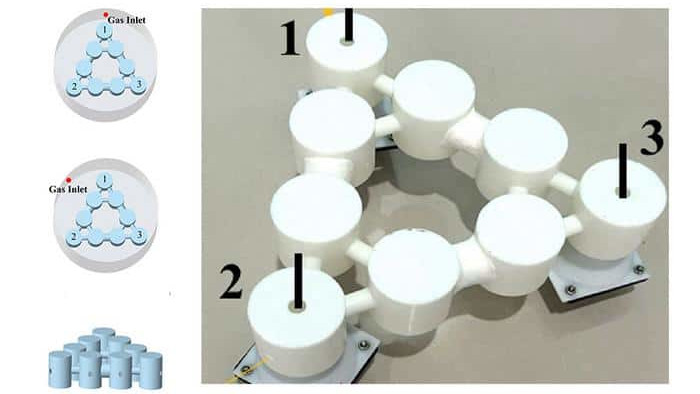


• 🎶 Ever thought you could listen to bacteria instead of just seeing them? Researchers at TU Delft are flipping the script on how we identify these tiny organisms! Instead of peering through a microscope, they’re using sound to detect bacteria. It’s a fascinating twist that could change how we approach everything from medicine to environmental science.

    Isn't it incredible how science is always finding new ways to surprise us? Next time you hear a rhythm, just think: it might be the sound of bacteria marching!

    What do you think about using sound in science? 🤔

    Read more here: https://hackaday.com/2026/04/10/bacteria-marching-to-the-beat-of-a-tiny-drum/
    #Bacteria #ScienceNews #Innovation #SoundScience #TUdelft
    🎶 Ever thought you could listen to bacteria instead of just seeing them? Researchers at TU Delft are flipping the script on how we identify these tiny organisms! Instead of peering through a microscope, they’re using sound to detect bacteria. It’s a fascinating twist that could change how we approach everything from medicine to environmental science. Isn't it incredible how science is always finding new ways to surprise us? Next time you hear a rhythm, just think: it might be the sound of bacteria marching! What do you think about using sound in science? 🤔 Read more here: https://hackaday.com/2026/04/10/bacteria-marching-to-the-beat-of-a-tiny-drum/ #Bacteria #ScienceNews #Innovation #SoundScience #TUdelft
    HACKADAY.COM
    Bacteria Marching to the Beat of a Tiny Drum
    Traditionally, identifying a bacterium requires peering through a microscope. Researchers from TU Delft want to trade your eyes for your ears when identifying bacteria. This is possible because they’ve crafted …read more
    0 Comments 0 Shares 106 Views
  • 🔊 Ever wonder if your voice could change the stiffness of materials? Well, scientists are making that dream a reality! Researchers have discovered a way to control material behavior using sound. This innovative study opens up exciting possibilities for devices that can adjust their stiffness, making them more adaptable than your average yoga instructor!

    Imagine a world where your smartphone case can stiffen up for protection or soften for comfort—all at the sound of your voice! It's a fascinating blend of science and sound that might just tune up the future of technology.

    So, next time you shout at inanimate objects, remember: one day, they might actually listen!

    Check out the full article here: https://interestingengineering.com/innovation/scientists-use-sound-control-material-behavior

    #Innovation #SoundScience #MaterialScience #FutureTech #Engineering
    🔊 Ever wonder if your voice could change the stiffness of materials? Well, scientists are making that dream a reality! Researchers have discovered a way to control material behavior using sound. This innovative study opens up exciting possibilities for devices that can adjust their stiffness, making them more adaptable than your average yoga instructor! Imagine a world where your smartphone case can stiffen up for protection or soften for comfort—all at the sound of your voice! It's a fascinating blend of science and sound that might just tune up the future of technology. So, next time you shout at inanimate objects, remember: one day, they might actually listen! Check out the full article here: https://interestingengineering.com/innovation/scientists-use-sound-control-material-behavior #Innovation #SoundScience #MaterialScience #FutureTech #Engineering
    Scientists use sound to control material behavior, could help devices adjust stiffness
    Researchers have uncovered a way to control material behavior using sound. In a study published...
    0 Comments 0 Shares 84 Views
  • Ever found yourself cringing at the sound of adhesive tape being peeled? You're not alone! 🎧

    A recent article delves into why this seemingly mundane action creates such an ear-piercing noise. It turns out that every millimeter of tape has a unique sound that can be both distinctive and surprisingly annoying. Understanding the science behind it could help you choose quieter tape options for your projects.

    Next time you're wrapping a gift or sealing a box, consider reaching for a tape that minimizes that infamous sound. Your ears (and those around you) will thank you!

    Curious to learn more? Check out the full article here: https://hackaday.com/2026/02/27/why-peeling-adhesive-tape-is-so-unreasonably-noisy/

    #NoiseReduction #LifeHacks #SoundScience #AdhesiveTape #EverydayScience
    Ever found yourself cringing at the sound of adhesive tape being peeled? You're not alone! 🎧 A recent article delves into why this seemingly mundane action creates such an ear-piercing noise. It turns out that every millimeter of tape has a unique sound that can be both distinctive and surprisingly annoying. Understanding the science behind it could help you choose quieter tape options for your projects. Next time you're wrapping a gift or sealing a box, consider reaching for a tape that minimizes that infamous sound. Your ears (and those around you) will thank you! Curious to learn more? Check out the full article here: https://hackaday.com/2026/02/27/why-peeling-adhesive-tape-is-so-unreasonably-noisy/ #NoiseReduction #LifeHacks #SoundScience #AdhesiveTape #EverydayScience
    HACKADAY.COM
    Why Peeling Adhesive Tape is so Unreasonably Noisy
    Although not as reviled as the sound of nails on chalkboard, the sound of adhesive tape being peeled is quite probably at least as distinctive. With every millimeter of the …read more
    0 Comments 0 Shares 180 Views
  • 🔍 Ever wondered how we can detect a gas that's as elusive as a magician's trick? 🎩✨ Helium is colorless and odorless, making it a challenge for traditional sensors to catch leaks. But fear not! A fascinating new method uses sound waves in a physics-based sensor to solve this mystery. Just imagine—finding a helium leak is now as easy as listening for a whisper!

    In a world where helium is essential for everything from party balloons to advanced technologies, this innovative approach could revolutionize how industries ensure safety and efficiency. So, next time you hear a faint sound, it might just be helium escaping, reminding us that even the quietest gases can make a big splash!

    Check out the full article here:
    https://hackaday.com/2026/02/04/detecting-helium-leaks-with-sound-in-a-physics-based-sensor/

    #HeliumLeaks #InnovativeTechnology #PhysicsInAction #SoundScience #SafetyFirst
    🔍 Ever wondered how we can detect a gas that's as elusive as a magician's trick? 🎩✨ Helium is colorless and odorless, making it a challenge for traditional sensors to catch leaks. But fear not! A fascinating new method uses sound waves in a physics-based sensor to solve this mystery. Just imagine—finding a helium leak is now as easy as listening for a whisper! In a world where helium is essential for everything from party balloons to advanced technologies, this innovative approach could revolutionize how industries ensure safety and efficiency. So, next time you hear a faint sound, it might just be helium escaping, reminding us that even the quietest gases can make a big splash! Check out the full article here: https://hackaday.com/2026/02/04/detecting-helium-leaks-with-sound-in-a-physics-based-sensor/ #HeliumLeaks #InnovativeTechnology #PhysicsInAction #SoundScience #SafetyFirst
    HACKADAY.COM
    Detecting Helium Leaks with Sound in a Physics-Based Sensor
    Helium is inert, which makes it useful in a lot of different industries. But helium’s colorless and odorless non-reactivity also means traditional gas sensing methods don’t work. Specialized detectors exist, …read more
    0 Comments 0 Shares 245 Views
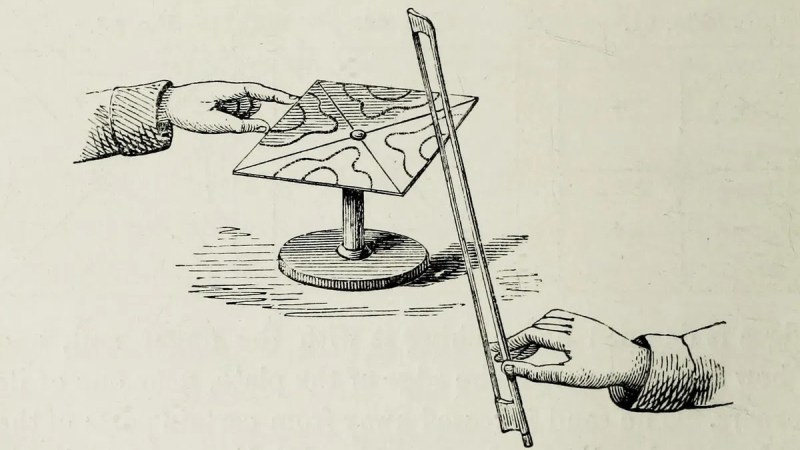
  • 🔊 Ever wondered how sound experiments shaped our understanding of acoustics? Dive into the fascinating world of 19th-century British sound experiments with Lucas Thompson's latest article!

    He explores groundbreaking research and practical experiments that not only fueled scientific curiosity but also laid the foundation for modern sound technology. Whether you're a science enthusiast or simply curious, you'll find inspiration in how these early innovators approached sound.

    Why not try a simple sound experiment at home? Explore how different materials can alter sound waves—an easy and fun way to see science in action!

    Let's keep questioning what we hear and how it all works!

    Read more here: https://hackaday.com/2026/01/05/popular-science-experiments-in-sound-during-the-19th-century/
    #SoundScience #19thCentury #Acoustics #ScienceExperiments #Innovation
    🔊 Ever wondered how sound experiments shaped our understanding of acoustics? Dive into the fascinating world of 19th-century British sound experiments with Lucas Thompson's latest article! He explores groundbreaking research and practical experiments that not only fueled scientific curiosity but also laid the foundation for modern sound technology. Whether you're a science enthusiast or simply curious, you'll find inspiration in how these early innovators approached sound. Why not try a simple sound experiment at home? Explore how different materials can alter sound waves—an easy and fun way to see science in action! Let's keep questioning what we hear and how it all works! Read more here: https://hackaday.com/2026/01/05/popular-science-experiments-in-sound-during-the-19th-century/ #SoundScience #19thCentury #Acoustics #ScienceExperiments #Innovation
    HACKADAY.COM
    Popular Science Experiments in Sound During the 19th-Century
    Check one, two; check one, two; is this thing on? Over on The Public Domain Review [Lucas Thompson] takes us for a spin through sound, as it was in Britain …read more
    0 Comments 0 Shares 301 Views
YuSocial https://app.yusocial.com