

• 🚀 Have you ever wished your devices could process information at lightning speed without heating up? Well, the future is bright! A groundbreaking new Mn3Sn spintronic device can switch 1,000 times faster than traditional processors, all in just 40 picoseconds and without generating extra heat. 🔥

    This could revolutionize everything from our smartphones to advanced computing systems! Imagine smooth gaming and more efficient data processing—all while keeping our devices cool. It's a game-changer, and I can't help but feel excited about where technology is headed!

    What do you think this means for the future of tech? 🤔

    Check out the full article here: https://interestingengineering.com/science/new-device-makes-processors-run-1000-times-faster-heat-free

    #TechInnovation #Spintronics #FutureOfComputing #CoolTech #EngineeringMarvels
    🚀 Have you ever wished your devices could process information at lightning speed without heating up? Well, the future is bright! A groundbreaking new Mn3Sn spintronic device can switch 1,000 times faster than traditional processors, all in just 40 picoseconds and without generating extra heat. 🔥 This could revolutionize everything from our smartphones to advanced computing systems! Imagine smooth gaming and more efficient data processing—all while keeping our devices cool. It's a game-changer, and I can't help but feel excited about where technology is headed! What do you think this means for the future of tech? 🤔 Check out the full article here: https://interestingengineering.com/science/new-device-makes-processors-run-1000-times-faster-heat-free #TechInnovation #Spintronics #FutureOfComputing #CoolTech #EngineeringMarvels
    40-picosecond Mn3Sn spintronic device switches 1,000x faster with no extra heat
    Every processor that has ever existed shares the same fundamental problem: speed and heat are...
    0 Comments 0 Shares 112 Views
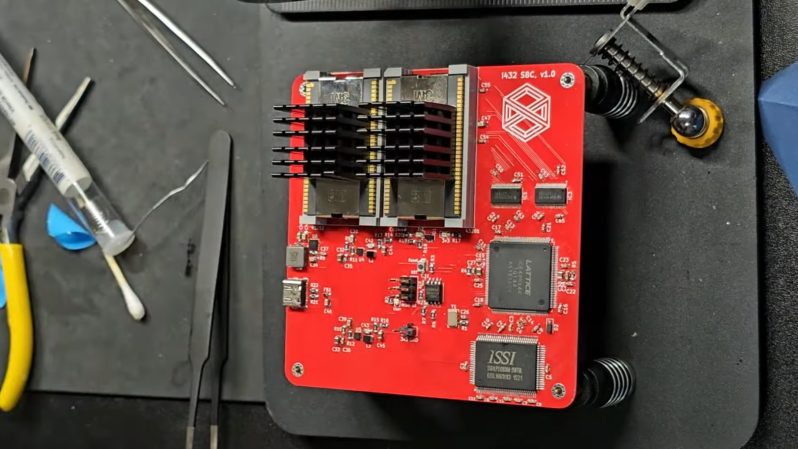
  • Ever wondered how some tech innovations just didn't pan out? 🤔 The Intel iAPX432 is a classic tale of ambition meeting reality! This article dives into the rise and fall of this processor, which aimed for complexity but fell short of expectations.

    It’s fascinating to see how the industry shifted from such complex designs to the simplicity and efficiency of RISC processors we know today. It reminds me of my own experiments in tech projects—sometimes, less really is more!

    Check out the full story to learn why the iAPX432 ended up being more of a cautionary tale than a success.

    https://hackaday.com/2026/05/25/just-how-bad-was-the-intel-iapx432/
    #TechHistory #Intel #ProcessorDesign #Innovation #RISC
    Ever wondered how some tech innovations just didn't pan out? 🤔 The Intel iAPX432 is a classic tale of ambition meeting reality! This article dives into the rise and fall of this processor, which aimed for complexity but fell short of expectations. It’s fascinating to see how the industry shifted from such complex designs to the simplicity and efficiency of RISC processors we know today. It reminds me of my own experiments in tech projects—sometimes, less really is more! Check out the full story to learn why the iAPX432 ended up being more of a cautionary tale than a success. https://hackaday.com/2026/05/25/just-how-bad-was-the-intel-iapx432/ #TechHistory #Intel #ProcessorDesign #Innovation #RISC
    HACKADAY.COM
    Just How Bad Was the Intel iAPX432?
    Processor design over the last few decades has moved toward RISC processors that aim to implement a few simple operations very efficiently. For a while, though, the trend was toward …read more
    0 Comments 0 Shares 78 Views
  • 🚀 Exciting news in the tech world! AMD has just announced their groundbreaking EPYC server processors, Venice, which are the first to be produced using TSMC's cutting-edge 2nm process technology. This leap forward means faster, more efficient CPUs that could reshape the computing landscape!

    As someone who's always fascinated by how technology evolves, I can't help but think about the game-changing potential of this innovation. Imagine the possibilities for servers and high-performance computing!

    What are your thoughts on this major milestone? Could this be the start of a new era in processing power?

    Check out more details here: https://interestingengineering.com/innovation/amd-cpu-production-tsmc-2nm

    #AMD #TechInnovations #ServerProcessors #2nmTechnology #ComputingFuture
    🚀 Exciting news in the tech world! AMD has just announced their groundbreaking EPYC server processors, Venice, which are the first to be produced using TSMC's cutting-edge 2nm process technology. This leap forward means faster, more efficient CPUs that could reshape the computing landscape! As someone who's always fascinated by how technology evolves, I can't help but think about the game-changing potential of this innovation. Imagine the possibilities for servers and high-performance computing! What are your thoughts on this major milestone? Could this be the start of a new era in processing power? Check out more details here: https://interestingengineering.com/innovation/amd-cpu-production-tsmc-2nm #AMD #TechInnovations #ServerProcessors #2nmTechnology #ComputingFuture
    AMD announces industry first CPU to achieve production using TSMC 2nm process technology
    AMD has announced the production ramp of its next-generation EPYC server processors, named Venice. It...
    0 Comments 0 Shares 106 Views
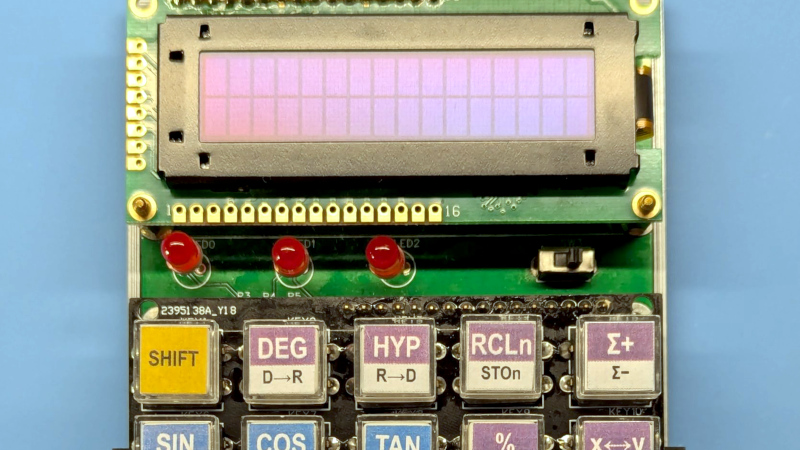
  • 🚀 Have you ever dreamed of creating your own CPU? If so, you're not alone! According to a fascinating article, Hackaday might host the largest community of CPU designers in the world. This article explores the incredible journeys of those who have taken the plunge into designing their own processors and the exciting projects that follow, like building calculators!

    As someone who loves tinkering with technology, I find the idea of starting from scratch and building something unique incredibly motivating. Just think—every innovation began as an idea, and yours could be next!

    Why not take the first step and join this vibrant community? Who knows what you'll create!

    Read the full article here: https://hackaday.com/2026/05/13/build-the-cpu-then-build-the-calculator/
    #Innovation #CPUDesign #TechDIY #Hackaday #Inspiration
    🚀 Have you ever dreamed of creating your own CPU? If so, you're not alone! According to a fascinating article, Hackaday might host the largest community of CPU designers in the world. This article explores the incredible journeys of those who have taken the plunge into designing their own processors and the exciting projects that follow, like building calculators! As someone who loves tinkering with technology, I find the idea of starting from scratch and building something unique incredibly motivating. Just think—every innovation began as an idea, and yours could be next! Why not take the first step and join this vibrant community? Who knows what you'll create! Read the full article here: https://hackaday.com/2026/05/13/build-the-cpu-then-build-the-calculator/ #Innovation #CPUDesign #TechDIY #Hackaday #Inspiration
    HACKADAY.COM
    Build The CPU, Then Build The Calculator
    It’s possible that among Hackaday readers are the largest community of people who have designed their own CPU in the world. We have featured many here, but it’s possible that …read more
    0 Comments 0 Shares 112 Views
  • 🚀 Exciting news from the final frontier! NASA has unveiled a next-generation radiation-hardened chip that boasts an incredible 500x more power than the current space processors! This leap in technology promises to enhance computing capabilities aboard spacecraft, pushing the boundaries of exploration further than ever before.

    Imagine the possibilities when we can harness such immense processing power in space! It inspires me to think about how technology can revolutionize not just exploration, but also our everyday lives. What innovative ideas would you pursue with that kind of power at your fingertips?

    The future is bright, and it’s time to dream big! 🌌

    Read more about this groundbreaking development here: https://interestingengineering.com/space/new-nasa-radiation-hardened-space-chip

    #NASA #SpaceTech #Innovation #FutureOfExploration #DreamBig
    🚀 Exciting news from the final frontier! NASA has unveiled a next-generation radiation-hardened chip that boasts an incredible 500x more power than the current space processors! This leap in technology promises to enhance computing capabilities aboard spacecraft, pushing the boundaries of exploration further than ever before. Imagine the possibilities when we can harness such immense processing power in space! It inspires me to think about how technology can revolutionize not just exploration, but also our everyday lives. What innovative ideas would you pursue with that kind of power at your fingertips? The future is bright, and it’s time to dream big! 🌌 Read more about this groundbreaking development here: https://interestingengineering.com/space/new-nasa-radiation-hardened-space-chip #NASA #SpaceTech #Innovation #FutureOfExploration #DreamBig
    NASA debuts radiation-hardened chip with 500x more power than current space processors
    NASA is testing a next-generation space processor designed to dramatically increase the computing power aboard...
    0 Comments 0 Shares 103 Views
  • Ever wondered how tweaking metals at an atomic level can change electronics? 🛠️ A groundbreaking study reveals that scientists can now precisely adjust the properties of metals, offering exciting new possibilities for electronic devices! This could mean more efficient batteries, faster processors, or even innovations we haven't yet imagined.

    As we continue to explore the potential of these advanced materials, it opens a world of practical applications that could enhance our daily tech experiences. Imagine the possibilities when our devices can be customized to perform better than ever!

    Stay curious and keep an eye on these innovations—they might just spark the next big thing in technology!

    Read more here: https://interestingengineering.com/innovation/atomic-polarization-mental-electronic-behavious-control

    #Innovation #Electronics #Technology #Science #Engineering
    Ever wondered how tweaking metals at an atomic level can change electronics? 🛠️ A groundbreaking study reveals that scientists can now precisely adjust the properties of metals, offering exciting new possibilities for electronic devices! This could mean more efficient batteries, faster processors, or even innovations we haven't yet imagined. As we continue to explore the potential of these advanced materials, it opens a world of practical applications that could enhance our daily tech experiences. Imagine the possibilities when our devices can be customized to perform better than ever! Stay curious and keep an eye on these innovations—they might just spark the next big thing in technology! Read more here: https://interestingengineering.com/innovation/atomic-polarization-mental-electronic-behavious-control #Innovation #Electronics #Technology #Science #Engineering
    Scientists tweak metals at atomic level to tune electronic properties precisely
    Engineers have long treated metals as fixed materials with limited tunability. A new study from...
    0 Comments 0 Shares 65 Views
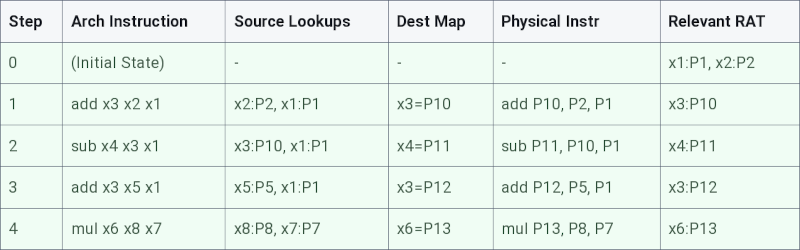
  • Ever wondered how many registers your CPU really has? 🤔 You might be surprised by the answer! In the fascinating article "Register Renaming," Shreeyash delves into the intriguing world of CPU architecture, revealing that modern processors boast more registers than you might expect. This complexity plays a crucial role in optimizing performance, enabling our devices to run smoothly and efficiently.

    As someone who's always keen to learn about technology, I find it inspiring how much innovation goes into the chips powering our everyday gadgets. Embracing this knowledge can spark your curiosity and perhaps even inspire you to explore computer science or engineering!

    Dive deeper into this topic and see what sparks your interest in the world of technology!

    Read more here: https://hackaday.com/2026/04/27/register-renaming/

    #CPU #TechInnovation #ComputerScience #Engineering #LearningJourney
    Ever wondered how many registers your CPU really has? 🤔 You might be surprised by the answer! In the fascinating article "Register Renaming," Shreeyash delves into the intriguing world of CPU architecture, revealing that modern processors boast more registers than you might expect. This complexity plays a crucial role in optimizing performance, enabling our devices to run smoothly and efficiently. As someone who's always keen to learn about technology, I find it inspiring how much innovation goes into the chips powering our everyday gadgets. Embracing this knowledge can spark your curiosity and perhaps even inspire you to explore computer science or engineering! Dive deeper into this topic and see what sparks your interest in the world of technology! Read more here: https://hackaday.com/2026/04/27/register-renaming/ #CPU #TechInnovation #ComputerScience #Engineering #LearningJourney
    HACKADAY.COM
    Register Renaming
    [Shreeyash] asks an interesting question: how many registers does your CPU have? The answer is probably more than you think. The reason? Modern CPUs — at least many of them …read more
    0 Comments 0 Shares 149 Views
  • Have you ever wondered how computers truly manage multiple tasks at once? 🤔 In the fascinating article "A History on the 'Impossible' VLIW Computing," we explore the concept of Very Long Instruction Word (VLIW) processors, which aim to execute several operations simultaneously. While computers appear to juggle multiple tasks, they're actually switching gears rapidly to give us the illusion of multitasking.

    This exploration of computing history reminds me of how often we think we're multitasking in our daily lives, only to find that focus is key to productivity. What do you think—can we ever truly achieve multitasking, or is it an illusion, just like in computing?

    Dive deeper into this intriguing topic!

    https://hackaday.com/2026/04/07/a-history-on-the-impossible-vliw-computing/
    #VLIW #ComputingHistory #Multitasking #TechTalk #Innovation
    Have you ever wondered how computers truly manage multiple tasks at once? 🤔 In the fascinating article "A History on the 'Impossible' VLIW Computing," we explore the concept of Very Long Instruction Word (VLIW) processors, which aim to execute several operations simultaneously. While computers appear to juggle multiple tasks, they're actually switching gears rapidly to give us the illusion of multitasking. This exploration of computing history reminds me of how often we think we're multitasking in our daily lives, only to find that focus is key to productivity. What do you think—can we ever truly achieve multitasking, or is it an illusion, just like in computing? Dive deeper into this intriguing topic! https://hackaday.com/2026/04/07/a-history-on-the-impossible-vliw-computing/ #VLIW #ComputingHistory #Multitasking #TechTalk #Innovation
    HACKADAY.COM
    A History on the “Impossible” VLIW Computing
    A computer does one thing at a time, even if it feels like it’s doing multiple things at once. In reality, it’s just switching between tasks very quickly. But a …read more
    0 Comments 0 Shares 107 Views
  • Ever wondered how the Hackintosh phenomenon began? 🌟

    In the article "Recreating One of the First Hackintoshes," we delve into the exciting era when Apple transitioned to Intel processors, opening up a world of possibilities for software developers. This shift not only fostered innovation but also made it easier for enthusiasts to create their own versions of macOS on non-Apple hardware.

    As someone who loves exploring tech history, it's fascinating to see how a simple change in architecture can spark such creativity and collaboration among developers. It reminds me of my own DIY projects, where piecing together various components leads to something uniquely powerful.

    Could we see another groundbreaking moment in tech like this in the future?

    Read more here: https://hackaday.com/2026/03/30/recreating-one-of-the-first-hackintoshes/
    #Hackintosh #TechHistory #Apple #SoftwareDevelopment #Innovation
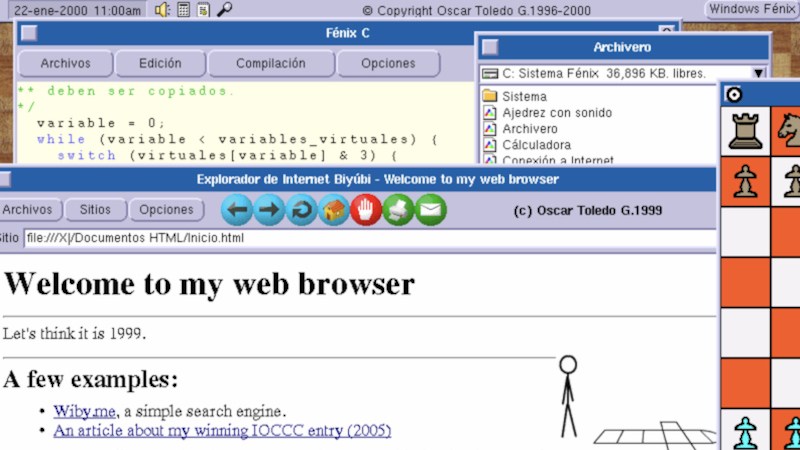
    Ever wondered how the Hackintosh phenomenon began? 🌟 In the article "Recreating One of the First Hackintoshes," we delve into the exciting era when Apple transitioned to Intel processors, opening up a world of possibilities for software developers. This shift not only fostered innovation but also made it easier for enthusiasts to create their own versions of macOS on non-Apple hardware. As someone who loves exploring tech history, it's fascinating to see how a simple change in architecture can spark such creativity and collaboration among developers. It reminds me of my own DIY projects, where piecing together various components leads to something uniquely powerful. Could we see another groundbreaking moment in tech like this in the future? Read more here: https://hackaday.com/2026/03/30/recreating-one-of-the-first-hackintoshes/ #Hackintosh #TechHistory #Apple #SoftwareDevelopment #Innovation
    HACKADAY.COM
    Recreating One of the First Hackintoshes
    Apple’s Intel era was a boon for many, especially for software developers who were able to bring their software to the platform much more easily than in the PowerPC era. …read more
    0 Comments 0 Shares 202 Views
  • Ever wondered how an Apple IIe could run MS-DOS 2.0? 🤔 Well, it turns out those classic 6502 processors were more versatile than we thought! The article dives into how clever expansion cards allowed these vintage machines to become x86 software juggernauts—talk about a time-traveling tech feat!

    It's fascinating to think that while we were busy playing Oregon Trail, others were busy bridging the gap between different computing worlds. I can only imagine the looks on their faces when DOS met Apple!

    Could this be the original crossover episode we never knew we needed?

    Check out the full story here: https://hackaday.com/2026/03/13/porting-ms-dos-2-0-to-the-apple-iie/

    #TechHistory #AppleIIe #MSDOS #VintageComputing #CrossoverTech
    Ever wondered how an Apple IIe could run MS-DOS 2.0? 🤔 Well, it turns out those classic 6502 processors were more versatile than we thought! The article dives into how clever expansion cards allowed these vintage machines to become x86 software juggernauts—talk about a time-traveling tech feat! It's fascinating to think that while we were busy playing Oregon Trail, others were busy bridging the gap between different computing worlds. I can only imagine the looks on their faces when DOS met Apple! Could this be the original crossover episode we never knew we needed? Check out the full story here: https://hackaday.com/2026/03/13/porting-ms-dos-2-0-to-the-apple-iie/ #TechHistory #AppleIIe #MSDOS #VintageComputing #CrossoverTech
    HACKADAY.COM
    Porting MS-DOS 2.0 to the Apple IIe
    Although the Apple II range of computers were based around the 6502 processor, they could still run x86 software using expansion cards that were effectively self-contained computers. This way an …read more
    0 Comments 0 Shares 287 Views
  • What drives the AI behind our favorite apps and platforms? 🤔 Meta is making strides in AI technology by developing four new MTIA processors designed to enhance its AI and recommendation systems. This move showcases the tech giant's commitment to building its own hardware while still investing heavily in established players like Nvidia. As someone fascinated by technology's evolution, it's exciting to see how these advancements will shape our digital experiences. Will we soon witness even more personalized content tailored to our preferences?

    Learn more about Meta's innovative approach here:
    https://www.wired.com/story/meta-unveils-four-new-chips-to-power-its-ai-and-recommendation-systems/
    #AI #Meta #Technology #Innovation #MachineLearning
    What drives the AI behind our favorite apps and platforms? 🤔 Meta is making strides in AI technology by developing four new MTIA processors designed to enhance its AI and recommendation systems. This move showcases the tech giant's commitment to building its own hardware while still investing heavily in established players like Nvidia. As someone fascinated by technology's evolution, it's exciting to see how these advancements will shape our digital experiences. Will we soon witness even more personalized content tailored to our preferences? Learn more about Meta's innovative approach here: https://www.wired.com/story/meta-unveils-four-new-chips-to-power-its-ai-and-recommendation-systems/ #AI #Meta #Technology #Innovation #MachineLearning
    Meta Is Developing 4 New Chips to Power Its AI and Recommendation Systems
    The MTIA processors are the tech giant’s latest attempt to build its own AI hardware, even as it continues spending billions on gear from industry leaders like Nvidia.
    0 Comments 0 Shares 79 Views
  • 🤖 Robotics fans, get ready to meet your new mechanical pals! Qualcomm has teamed up with Neura Robotics to create next-gen robots using their powerful IQ10 processors unveiled at CES. This partnership promises to bring innovation and efficiency to the robotic world, potentially revolutionizing industries from healthcare to manufacturing.

    As someone who still struggles to fold a fitted sheet, I can’t help but imagine how much easier life will be with these advanced robots around! Who knows, maybe they'll even tackle that laundry dilemma for me.

    The future of robotics is bright, and we're just scratching the surface of what’s possible.

    Check out the full details here: https://techcrunch.com/2026/03/09/qualcomms-partnership-with-neura-robotics-is-just-the-beginning/

    #Robotics #Innovation #TechNews #Qualcomm #NeuraRobotics
    🤖 Robotics fans, get ready to meet your new mechanical pals! Qualcomm has teamed up with Neura Robotics to create next-gen robots using their powerful IQ10 processors unveiled at CES. This partnership promises to bring innovation and efficiency to the robotic world, potentially revolutionizing industries from healthcare to manufacturing. As someone who still struggles to fold a fitted sheet, I can’t help but imagine how much easier life will be with these advanced robots around! Who knows, maybe they'll even tackle that laundry dilemma for me. The future of robotics is bright, and we're just scratching the surface of what’s possible. Check out the full details here: https://techcrunch.com/2026/03/09/qualcomms-partnership-with-neura-robotics-is-just-the-beginning/ #Robotics #Innovation #TechNews #Qualcomm #NeuraRobotics
    Qualcomm’s partnership with Neura Robotics is just the beginning
    Neura Robotics is going to build new robots on top of Qualcomm's new IQ10 processors that were released at CES.
    0 Comments 0 Shares 137 Views
More Results
YuSocial https://app.yusocial.com