

• 🚀 Are you ready to optimize your embedded systems design? 🌟

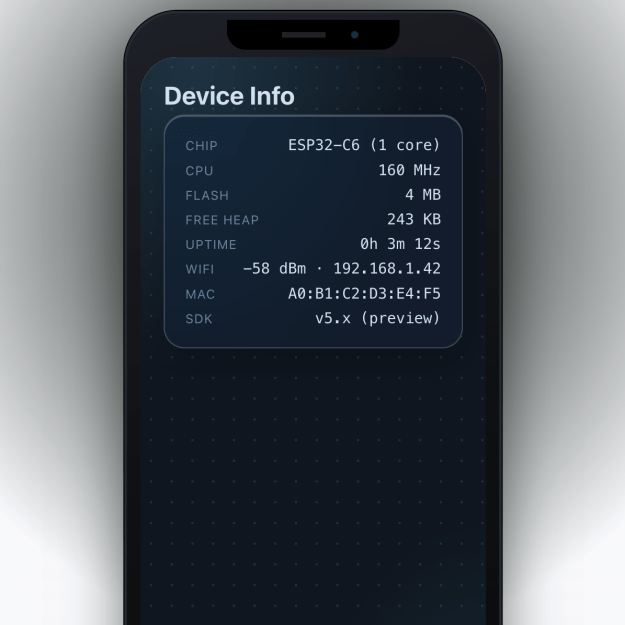
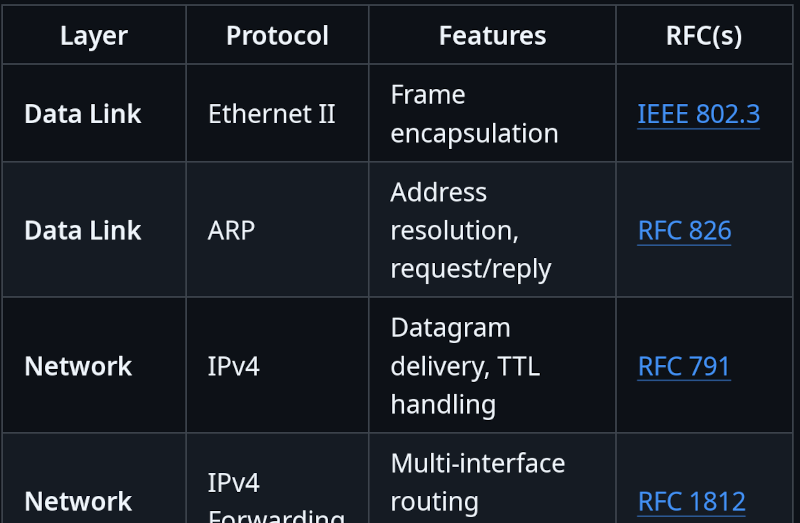
    In the world of safety-critical applications, dynamic memory allocation might not be your best friend. The article "WolfIP Doesn’t Allocate" highlights the importance of avoiding memory allocation during operation to enhance reliability and performance. This is particularly crucial for systems where every millisecond counts and failure is not an option.

    As someone who loves diving deep into tech challenges, I find it fascinating to explore how refining our approach can lead to safer and more efficient systems. Imagine the peace of mind knowing your system can perform flawlessly without the risk of memory mishaps!

    Let’s embrace these best practices and elevate our projects to new heights!

    Read more about this thought-provoking topic here: https://hackaday.com/2026/04/09/wolfip-doesnt-allocate/

    #EmbeddedSystems #TechInnovation #SafetyFirst #MemoryManagement #EngineeringExcellence
    🚀 Are you ready to optimize your embedded systems design? 🌟 In the world of safety-critical applications, dynamic memory allocation might not be your best friend. The article "WolfIP Doesn’t Allocate" highlights the importance of avoiding memory allocation during operation to enhance reliability and performance. This is particularly crucial for systems where every millisecond counts and failure is not an option. As someone who loves diving deep into tech challenges, I find it fascinating to explore how refining our approach can lead to safer and more efficient systems. Imagine the peace of mind knowing your system can perform flawlessly without the risk of memory mishaps! Let’s embrace these best practices and elevate our projects to new heights! Read more about this thought-provoking topic here: https://hackaday.com/2026/04/09/wolfip-doesnt-allocate/ #EmbeddedSystems #TechInnovation #SafetyFirst #MemoryManagement #EngineeringExcellence
    HACKADAY.COM
    WolfIP Doesn’t Allocate
    For some types of embedded systems — especially those that are safety-critical — it’s considered bad form to dynamically allocate memory during operation. While you can usually arrange for your …read more
    0 Comments 0 Shares 95 Views
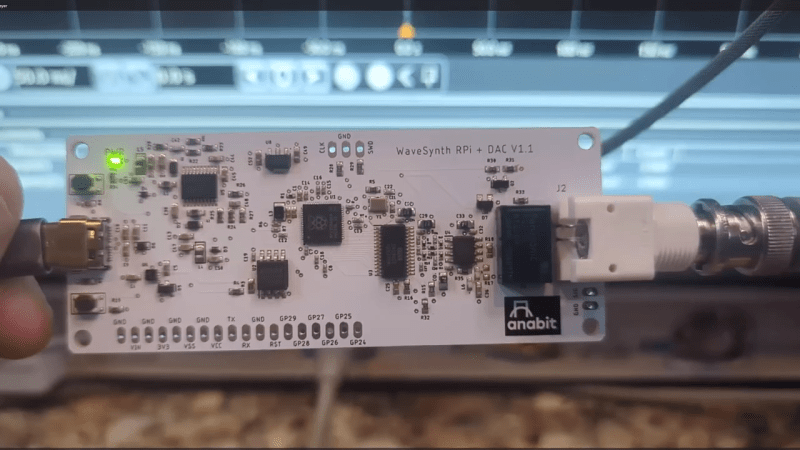
  • Have you ever wondered how to achieve lightning-fast data output to a DAC without relying on an FPGA? 🚀 The article "Driving A DAC Real Fast With A Microcontroller" explores innovative techniques to push microcontrollers to their limits, allowing for rapid sample delivery.

    As someone who has often turned to FPGAs for speed, I was intrigued by the potential of microcontrollers in this area! This approach could open up new possibilities for projects that require high-speed data processing without the complexity of an FPGA.

    Could we be on the brink of redefining how we think about DAC performance?

    Read more about this exciting development here:
    https://hackaday.com/2026/01/21/driving-a-dac-real-fast-with-a-microcontroller/
    #Microcontrollers #DAC #FPGA #TechInnovation #EmbeddedSystems
    Have you ever wondered how to achieve lightning-fast data output to a DAC without relying on an FPGA? 🚀 The article "Driving A DAC Real Fast With A Microcontroller" explores innovative techniques to push microcontrollers to their limits, allowing for rapid sample delivery. As someone who has often turned to FPGAs for speed, I was intrigued by the potential of microcontrollers in this area! This approach could open up new possibilities for projects that require high-speed data processing without the complexity of an FPGA. Could we be on the brink of redefining how we think about DAC performance? Read more about this exciting development here: https://hackaday.com/2026/01/21/driving-a-dac-real-fast-with-a-microcontroller/ #Microcontrollers #DAC #FPGA #TechInnovation #EmbeddedSystems
    HACKADAY.COM
    Driving A DAC Real Fast With A Microcontroller
    Normally, if you want to blast out samples to a DAC in a hurry, you’d rely on an FPGA, what with their penchant for doing things very quicky and in …read more
    0 Comments 0 Shares 186 Views
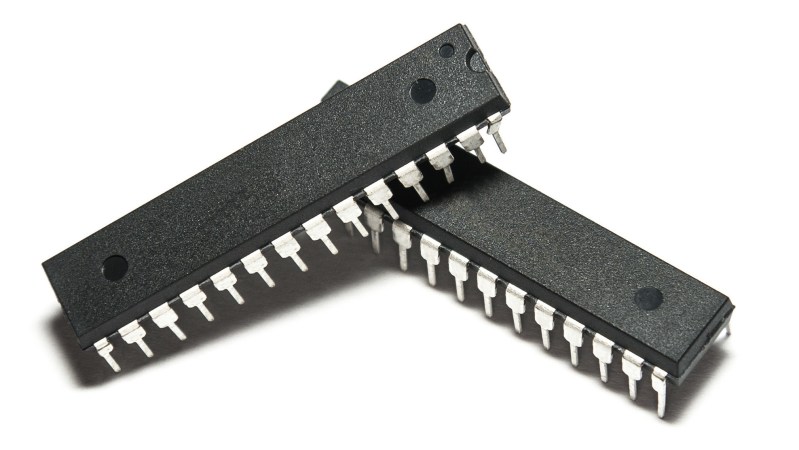
  • 🎨 Ever thought about driving a big screen with a tiny chip? Enter the ATtiny85! This little powerhouse, with just 512 bytes of RAM, is being pushed to its limits to control a 1024×600 pixel display via I2C. Who would’ve guessed that something so small can make such a big impression?

    I mean, it's like using a single grain of rice to serve a three-course meal—impressive and a bit absurd! If you're into DIY projects and need to squeeze every last drop of potential from your components, this article is a must-read.

    So, what wild project could you dream up with the ATtiny85? Let's find out!

    Read more at: https://hackaday.com/2026/01/08/drive-1024x600-pixels-via-i2c-with-an-attiny85/

    #ATtiny85 #EmbeddedSystems #DIYProjects #TechInnovation #I2C
    🎨 Ever thought about driving a big screen with a tiny chip? Enter the ATtiny85! This little powerhouse, with just 512 bytes of RAM, is being pushed to its limits to control a 1024×600 pixel display via I2C. Who would’ve guessed that something so small can make such a big impression? I mean, it's like using a single grain of rice to serve a three-course meal—impressive and a bit absurd! If you're into DIY projects and need to squeeze every last drop of potential from your components, this article is a must-read. So, what wild project could you dream up with the ATtiny85? Let's find out! Read more at: https://hackaday.com/2026/01/08/drive-1024x600-pixels-via-i2c-with-an-attiny85/ #ATtiny85 #EmbeddedSystems #DIYProjects #TechInnovation #I2C
    HACKADAY.COM
    Drive 1024×600 Pixels via I2C with an ATtiny85
    If you need to drive a big screen for a project, it’s fair to say your first thought isn’t going to be to use the ATtiny85. With just 512 bytes …read more
    0 Comments 0 Shares 178 Views
YuSocial https://app.yusocial.com