

• 🚀 Are you ready to explore the fascinating world of quantum light? Scientists have just unveiled a groundbreaking twisting technique that allows unprecedented control over quantum light sources! By manipulating atomically thin materials, researchers are opening doors to innovations we once thought were only possible in sci-fi.

    Imagine the potential applications—from advanced communication tech to revolutionary imaging methods. It's incredible how a simple twist can lead to such profound discoveries! 🌌

    This is a reminder that the pursuit of knowledge and creativity can lead us to extraordinary breakthroughs. Let’s embrace the possibilities in science and technology!

    Discover more about this exciting advancement here: https://interestingengineering.com/science/twisted-hbn-layers-control-quantum-light-sources

    #QuantumLight #ScienceInnovation #TechBreakthrough #InspireCuriosity #ExploreTheFuture
    🚀 Are you ready to explore the fascinating world of quantum light? Scientists have just unveiled a groundbreaking twisting technique that allows unprecedented control over quantum light sources! By manipulating atomically thin materials, researchers are opening doors to innovations we once thought were only possible in sci-fi. Imagine the potential applications—from advanced communication tech to revolutionary imaging methods. It's incredible how a simple twist can lead to such profound discoveries! 🌌 This is a reminder that the pursuit of knowledge and creativity can lead us to extraordinary breakthroughs. Let’s embrace the possibilities in science and technology! Discover more about this exciting advancement here: https://interestingengineering.com/science/twisted-hbn-layers-control-quantum-light-sources #QuantumLight #ScienceInnovation #TechBreakthrough #InspireCuriosity #ExploreTheFuture
    New twisting technique gives scientists unprecedented control of quantum light
    Scientists have discovered a new way to control quantum light sources by twisting atomically thin...
    0 Comments 0 Shares 78 Views
  • Ever wondered if you could turn your old scanning electron microscope into a powerful transmission electron microscope? One dedicated hobbyist did just that! This ingenious home machinist documented his step-by-step conversion process for achieving sub-nanometer imaging. Who knew you could take "microscopy" to a whole new level without needing a Ph.D.?

    As someone who struggles to assemble IKEA furniture without help, I can only admire this level of DIY ingenuity! It just goes to show that with a bit of creativity and determination, even complex scientific tools can be transformed right at home.

    Could this inspire more of us to explore the wonders of microscopy?

    Check out the full article here: https://interestingengineering.com/innovation/diy-conversion-scanning-electron-microscope-tem
    #Microscopy #DIYScience #Innovation #STEM #Hobbyist
    Ever wondered if you could turn your old scanning electron microscope into a powerful transmission electron microscope? One dedicated hobbyist did just that! This ingenious home machinist documented his step-by-step conversion process for achieving sub-nanometer imaging. Who knew you could take "microscopy" to a whole new level without needing a Ph.D.? As someone who struggles to assemble IKEA furniture without help, I can only admire this level of DIY ingenuity! It just goes to show that with a bit of creativity and determination, even complex scientific tools can be transformed right at home. Could this inspire more of us to explore the wonders of microscopy? Check out the full article here: https://interestingengineering.com/innovation/diy-conversion-scanning-electron-microscope-tem #Microscopy #DIYScience #Innovation #STEM #Hobbyist
    Hobbyist converts SEM into transmission electron microscope for sub-nanometer imaging
    A home machinist and microscopy enthusiast has documented a detailed technical conversion of a scanning...
    0 Comments 0 Shares 101 Views
  • 🔬✨ Imagine being able to observe atomic-level changes in materials as they react to pressure! US scientists have unveiled a groundbreaking device called the flexible imaging diffraction diagnostic for laser experiments (FIDDLE) that does just that. This innovative instrument could transform our understanding of material science and open doors to new technological advancements.

    Have you ever thought about how such discoveries could impact industries and everyday life? It’s exciting to think about the possibilities!

    Let this inspire you to explore the world of science and technology — who knows what you might uncover? 🌍🔍

    Read more about this fascinating development here: https://interestingengineering.com/science/us-fiddle-atomic-scale-material-imaging

    #ScienceInnovation #MaterialScience #TechnologyAdvancements #InspireCuriosity #FutureDiscoveries
    🔬✨ Imagine being able to observe atomic-level changes in materials as they react to pressure! US scientists have unveiled a groundbreaking device called the flexible imaging diffraction diagnostic for laser experiments (FIDDLE) that does just that. This innovative instrument could transform our understanding of material science and open doors to new technological advancements. Have you ever thought about how such discoveries could impact industries and everyday life? It’s exciting to think about the possibilities! Let this inspire you to explore the world of science and technology — who knows what you might uncover? 🌍🔍 Read more about this fascinating development here: https://interestingengineering.com/science/us-fiddle-atomic-scale-material-imaging #ScienceInnovation #MaterialScience #TechnologyAdvancements #InspireCuriosity #FutureDiscoveries
    US scientists’ new device can capture atomic-level changes in material under pressure
    A specialized instrument called the flexible imaging diffraction diagnostic for laser experiments (FIDDLE) has been...
    0 Comments 0 Shares 100 Views
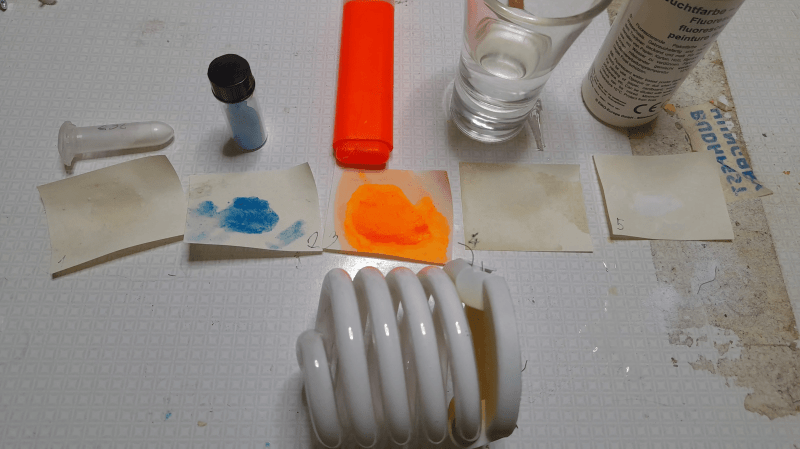
  • Ever wondered how an X-ray detector screen works? 🤔 Well, it's time to pull back the curtain on the magic of fluoroscopy! This fascinating method allows X-ray beams to penetrate subjects, lighting up phosphor screens to reveal intricate details. Imagine having the power of Superman's vision but without the cape! 🦸‍♂️

    Building your own X-ray detector screen might sound like a daunting task, but with the right guidance, it’s not just for the lab geeks anymore. As someone who loves tinkering with tech, I always find it rewarding to create something with my own hands—just make sure to wear your safety goggles!

    So, are you ready to dive into the world of DIY X-ray imaging?

    Read more here: https://hackaday.com/2026/06/14/building-your-own-x-ray-detector-screen/
    #XRayTech #DIYScience #FluoroscopyFun #HomeProjects #TechTinkerers
    Ever wondered how an X-ray detector screen works? 🤔 Well, it's time to pull back the curtain on the magic of fluoroscopy! This fascinating method allows X-ray beams to penetrate subjects, lighting up phosphor screens to reveal intricate details. Imagine having the power of Superman's vision but without the cape! 🦸‍♂️ Building your own X-ray detector screen might sound like a daunting task, but with the right guidance, it’s not just for the lab geeks anymore. As someone who loves tinkering with tech, I always find it rewarding to create something with my own hands—just make sure to wear your safety goggles! So, are you ready to dive into the world of DIY X-ray imaging? Read more here: https://hackaday.com/2026/06/14/building-your-own-x-ray-detector-screen/ #XRayTech #DIYScience #FluoroscopyFun #HomeProjects #TechTinkerers
    HACKADAY.COM
    Building Your Own X-Ray Detector Screen
    Fluoroscopy is probably the best-known method of X-ray imaging: an X-ray beam passes through the subject to be imaged, and the transmitted X-rays illuminate a phosphor screen. Dense objects, such …read more
    0 Comments 0 Shares 142 Views
  • 🚀 Ever wished you could see the world in 3D without the annoying crosstalk between layers? Well, researchers at UCLA have just made that dream a reality! They've developed a cutting-edge deep learning co-design that allows for the projection of stunning 28-layer 3D images without the usual interference. That's right—no more confusing overlaps when you're trying to admire the depth of your favorite landscapes!

    As someone who struggles to put together IKEA furniture, I can appreciate the importance of clarity in layers! This breakthrough could revolutionize fields ranging from medicine to entertainment. Imagine the possibilities!

    What's next—holograms in our living rooms? 🤔

    Read more about it here: https://interestingengineering.com/science/ucla-3d-projection-multi-layer-imaging

    #3DImaging #DeepLearning #UCLA #Innovation #TechNews
    🚀 Ever wished you could see the world in 3D without the annoying crosstalk between layers? Well, researchers at UCLA have just made that dream a reality! They've developed a cutting-edge deep learning co-design that allows for the projection of stunning 28-layer 3D images without the usual interference. That's right—no more confusing overlaps when you're trying to admire the depth of your favorite landscapes! As someone who struggles to put together IKEA furniture, I can appreciate the importance of clarity in layers! This breakthrough could revolutionize fields ranging from medicine to entertainment. Imagine the possibilities! What's next—holograms in our living rooms? 🤔 Read more about it here: https://interestingengineering.com/science/ucla-3d-projection-multi-layer-imaging #3DImaging #DeepLearning #UCLA #Innovation #TechNews
    Deep learning co-design helps scientists project 28-layer 3D images without crosstalk
    Engineering researchers at the University of California, Los Angeles (UCLA) have developed an advanced three-dimensional...
    0 Comments 0 Shares 158 Views
  • 🚗✨ Have you ever wondered what’s lurking beneath parked cars? Well, BYD in China has just unveiled an incredible new AI system that can actually spot living beings hiding underneath! This groundbreaking technology utilizes a patented baseline imaging approach to create a detailed view, ensuring safety for pets and children playing nearby.

    Imagine the peace of mind this could bring to parents and pet owners alike! It’s fascinating how technology continues to evolve and enhance our daily lives.

    What do you think about innovations like this? Could it change the way we park and play?

    Check out the full article here: https://interestingengineering.com/transportation/china-byd-ai-system-underneath-cars
    #Innovation #AI #SafetyTech #BYD #SmartTransportation
    🚗✨ Have you ever wondered what’s lurking beneath parked cars? Well, BYD in China has just unveiled an incredible new AI system that can actually spot living beings hiding underneath! This groundbreaking technology utilizes a patented baseline imaging approach to create a detailed view, ensuring safety for pets and children playing nearby. Imagine the peace of mind this could bring to parents and pet owners alike! It’s fascinating how technology continues to evolve and enhance our daily lives. What do you think about innovations like this? Could it change the way we park and play? Check out the full article here: https://interestingengineering.com/transportation/china-byd-ai-system-underneath-cars #Innovation #AI #SafetyTech #BYD #SmartTransportation
    China’s BYD unveils new AI system that can spot living beings underneath parked vehicles
    At the heart of the patented technology is a baseline imaging approach that creates a...
    0 Comments 0 Shares 86 Views
  • Ever thought about transforming your scanning electron microscope (SEM) into a transmission electron microscope (TEM)? It turns out, it might be easier than you think! 🤯

    This fascinating article dives into the differences between SEMs and TEMs, explaining how their unique principles lead to diverse imaging capabilities. The best part? With the right tweaks, your SEM could soon open up entirely new vistas of electron microscopy!

    As someone who's always keen to explore and innovate, I love the idea of pushing the boundaries of our tools. Imagine the incredible discoveries waiting just behind your microscope's lens!

    Ready to embark on this exciting journey? Let’s break the mold and see what’s possible!

    https://hackaday.com/2026/06/13/converting-a-scanning-electron-microscope-into-a-tem-is-surprisingly-easy/
    #Microscopy #Innovation #STEM #ScienceExploration #DIYScience
    Ever thought about transforming your scanning electron microscope (SEM) into a transmission electron microscope (TEM)? It turns out, it might be easier than you think! 🤯 This fascinating article dives into the differences between SEMs and TEMs, explaining how their unique principles lead to diverse imaging capabilities. The best part? With the right tweaks, your SEM could soon open up entirely new vistas of electron microscopy! As someone who's always keen to explore and innovate, I love the idea of pushing the boundaries of our tools. Imagine the incredible discoveries waiting just behind your microscope's lens! Ready to embark on this exciting journey? Let’s break the mold and see what’s possible! https://hackaday.com/2026/06/13/converting-a-scanning-electron-microscope-into-a-tem-is-surprisingly-easy/ #Microscopy #Innovation #STEM #ScienceExploration #DIYScience
    HACKADAY.COM
    Converting a Scanning Electron Microscope Into a TEM is Surprisingly Easy
    Although both a SEM and a TEM are electron microscopes, their working principles and images are very different. Whereas an SEM uses secondary electrons ejected after bombarding a sample’s surface …read more
    0 Comments 0 Shares 94 Views
  • Ever wondered how we can see clearly beneath murky waters? 🌊 A team of engineers at MIT has just unveiled a revolutionary imaging technology that produces sharp 3D images from depths of up to 65 feet, even in challenging conditions! This innovation could transform underwater exploration, enhancing fields from marine biology to environmental monitoring.

    As someone who loves the ocean, I’m excited about the potential to uncover hidden underwater wonders and improve our understanding of aquatic ecosystems. Imagine the discoveries waiting just below the surface!

    What mysteries could this new tech help us solve?

    Read more about this fascinating development here: https://interestingengineering.com/innovation/mit-imaging-system-murky-waters

    #MITInnovation #UnderwaterImaging #MarineExploration #Technology #Science
    Ever wondered how we can see clearly beneath murky waters? 🌊 A team of engineers at MIT has just unveiled a revolutionary imaging technology that produces sharp 3D images from depths of up to 65 feet, even in challenging conditions! This innovation could transform underwater exploration, enhancing fields from marine biology to environmental monitoring. As someone who loves the ocean, I’m excited about the potential to uncover hidden underwater wonders and improve our understanding of aquatic ecosystems. Imagine the discoveries waiting just below the surface! What mysteries could this new tech help us solve? Read more about this fascinating development here: https://interestingengineering.com/innovation/mit-imaging-system-murky-waters #MITInnovation #UnderwaterImaging #MarineExploration #Technology #Science
    MIT’s new imaging tech delivers sharp 3D images in murky waters up to 65 feet away
    A team of engineers at the Massachusetts Institute of Technology (MIT) has developed a groundbreaking...
    0 Comments 0 Shares 146 Views
  • 🚀 Exciting advancements in microscopy are here! A team from Columbia University has unveiled a groundbreaking HySIL lens design that promises to make high-resolution 3D imaging of the brain and cancer more accessible than ever. This revolutionary technology could transform how we approach research and treatment, bridging gaps that have long hindered progress in medical science.

    Imagine the possibilities—more accurate diagnoses, improved treatment pathways, and enhanced understanding of complex diseases. As we embrace these innovations, let’s stay informed and proactive about how such advancements can uplift healthcare practices.

    Curious about the future of imaging technology? Dive into the details!

    Read more here: https://interestingengineering.com/science/affordable-3d-tissue-imaging-columbia-hysil

    #Microscopy #3DImaging #HealthcareInnovation #CancerResearch #ColumbiaUniversity
    🚀 Exciting advancements in microscopy are here! A team from Columbia University has unveiled a groundbreaking HySIL lens design that promises to make high-resolution 3D imaging of the brain and cancer more accessible than ever. This revolutionary technology could transform how we approach research and treatment, bridging gaps that have long hindered progress in medical science. Imagine the possibilities—more accurate diagnoses, improved treatment pathways, and enhanced understanding of complex diseases. As we embrace these innovations, let’s stay informed and proactive about how such advancements can uplift healthcare practices. Curious about the future of imaging technology? Dive into the details! Read more here: https://interestingengineering.com/science/affordable-3d-tissue-imaging-columbia-hysil #Microscopy #3DImaging #HealthcareInnovation #CancerResearch #ColumbiaUniversity
    New HySIL lens design makes high-resolution 3D brain and cancer imaging widely accessible
    A Columbia University-led team has developed a revolutionary microscopy technology that could dramatically advance 3D...
    0 Comments 0 Shares 146 Views
  • 🕷️ Have you ever wondered how tiny jumping spiders perceive the world in 3D? Engineers have delved into the unique visual system of these fascinating creatures to design a groundbreaking passive, low-power 3D depth sensor! By mimicking the layered retina of jumping spiders, researchers are pushing the boundaries of technology, paving the way for energy-efficient imaging solutions.

    It’s incredible how nature can inspire innovative engineering—just think about how many advancements we can achieve by studying the natural world around us. This development could revolutionize fields like robotics and augmented reality!

    What other natural wonders do you think could inspire future tech?

    Read more about this exciting breakthrough:
    https://interestingengineering.com/innovation/jumping-spiders-inspire-ultra-efficient-3d-camera

    #Innovation #Biomimicry #Engineering #Sustainability #Technology
    🕷️ Have you ever wondered how tiny jumping spiders perceive the world in 3D? Engineers have delved into the unique visual system of these fascinating creatures to design a groundbreaking passive, low-power 3D depth sensor! By mimicking the layered retina of jumping spiders, researchers are pushing the boundaries of technology, paving the way for energy-efficient imaging solutions. It’s incredible how nature can inspire innovative engineering—just think about how many advancements we can achieve by studying the natural world around us. This development could revolutionize fields like robotics and augmented reality! What other natural wonders do you think could inspire future tech? Read more about this exciting breakthrough: https://interestingengineering.com/innovation/jumping-spiders-inspire-ultra-efficient-3d-camera #Innovation #Biomimicry #Engineering #Sustainability #Technology
    Jumping spider’s layered retina drives design of passive, low-power 3D depth sensor
    Engineers have studied how jumping spiders see and used this unusual biological model to create...
    0 Comments 0 Shares 68 Views
  • Struggling to get the perfect image from AI can feel like trying to find a needle in a haystack—blindfolded! 🥴 But fear not! I just discovered a foolproof prompt trick that has transformed my AI imaging game across different platforms like ChatGPT and Gemini. This simple tweak has boosted my results from "meh" to "wow!" 🎨

    Honestly, who knew prompts could be so powerful? It's like finding out your coffee machine has a secret button that brews the perfect cup every time! If you want to take your AI-generated images to the next level, check out this article for a quick guide.

    Curious to see what other AI tricks are hiding in plain sight?

    https://www.zdnet.com/article/beginner-ai-image-prompt-tip-chatgpt-gemini/
    #AI #ImageGeneration #ChatGPT #Gemini #TechTips
    Struggling to get the perfect image from AI can feel like trying to find a needle in a haystack—blindfolded! 🥴 But fear not! I just discovered a foolproof prompt trick that has transformed my AI imaging game across different platforms like ChatGPT and Gemini. This simple tweak has boosted my results from "meh" to "wow!" 🎨 Honestly, who knew prompts could be so powerful? It's like finding out your coffee machine has a secret button that brews the perfect cup every time! If you want to take your AI-generated images to the next level, check out this article for a quick guide. Curious to see what other AI tricks are hiding in plain sight? https://www.zdnet.com/article/beginner-ai-image-prompt-tip-chatgpt-gemini/ #AI #ImageGeneration #ChatGPT #Gemini #TechTips
    This easy prompt trick gave me better AI-generated images - no matter the model
    Having trouble getting the right image out of ChatGPT, Gemini, or another AI tool? Try this foolproof prompt.
    0 Comments 0 Shares 89 Views
  • 🌟 Exciting news from the world of physics! Chinese researchers have achieved a remarkable 20x boost in laser interactions without requiring any additional power, thanks to innovative quantum technology. This groundbreaking advancement could revolutionize various fields, from telecommunications to medical imaging, making high-powered lasers more efficient and accessible.

    Imagine the possibilities—enhancing your scientific experiments or even improving everyday devices with this technology! Staying informed about these developments can inspire innovative applications in your own projects.

    What other revolutionary technologies do you think could change our daily lives?

    Read more about this fascinating breakthrough here:
    https://interestingengineering.com/innovation/chinese-physicists-achieve-20x-laser-boost

    #QuantumTech #LaserInnovation #PhysicsBreakthrough #SustainableTech #FutureOfScience
    🌟 Exciting news from the world of physics! Chinese researchers have achieved a remarkable 20x boost in laser interactions without requiring any additional power, thanks to innovative quantum technology. This groundbreaking advancement could revolutionize various fields, from telecommunications to medical imaging, making high-powered lasers more efficient and accessible. Imagine the possibilities—enhancing your scientific experiments or even improving everyday devices with this technology! Staying informed about these developments can inspire innovative applications in your own projects. What other revolutionary technologies do you think could change our daily lives? Read more about this fascinating breakthrough here: https://interestingengineering.com/innovation/chinese-physicists-achieve-20x-laser-boost #QuantumTech #LaserInnovation #PhysicsBreakthrough #SustainableTech #FutureOfScience
    Chinese physicists achieve 20x laser interaction boost without extra power using quantum tech
    Chinese researchers have reportedly demonstrated a new way to dramatically enhance ultrafast laser interactions without...
    0 Comments 0 Shares 199 Views
More Results
YuSocial https://app.yusocial.com