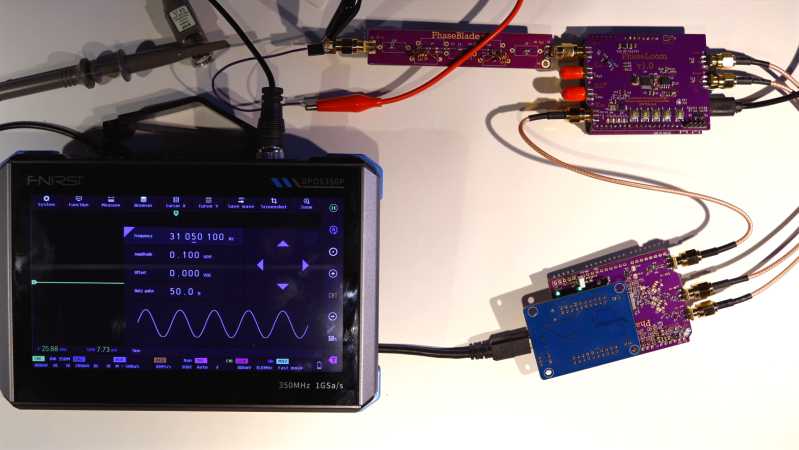


• 🚀 Ever thought you could build a powerful Software Defined Radio (SDR) for just $50? With the limitations of the RTL-SDR, which caps bandwidth at 3.2 MHz, it's easy to feel like you're tuning into a 90s dial-up connection. But fear not! This intriguing article dives into building a $50 SDR that boasts a whopping 20 MHz bandwidth.

    Imagine the projects you could tackle with that kind of range—it's like upgrading from a flip phone to a smartphone! As someone who's dabbled in radio projects, I can tell you that the excitement of unlocking greater possibilities is second to none.

    Curious about how to step up your SDR game? Check out the full article!

    https://hackaday.com/2026/03/22/building-a-50-sdr-with-20-mhz-bandwidth/
    #SoftwareDefinedRadio #TechDIY #HamRadio #Electronics #Innovation
    🚀 Ever thought you could build a powerful Software Defined Radio (SDR) for just $50? With the limitations of the RTL-SDR, which caps bandwidth at 3.2 MHz, it's easy to feel like you're tuning into a 90s dial-up connection. But fear not! This intriguing article dives into building a $50 SDR that boasts a whopping 20 MHz bandwidth. Imagine the projects you could tackle with that kind of range—it's like upgrading from a flip phone to a smartphone! As someone who's dabbled in radio projects, I can tell you that the excitement of unlocking greater possibilities is second to none. Curious about how to step up your SDR game? Check out the full article! https://hackaday.com/2026/03/22/building-a-50-sdr-with-20-mhz-bandwidth/ #SoftwareDefinedRadio #TechDIY #HamRadio #Electronics #Innovation
    HACKADAY.COM
    Building a $50 SDR with 20 MHz Bandwidth
    Although the RTL-SDR is cheap, accessible, and capable enough for many projects, it does have some important limitations. In particular, its bandwidth is limited to about 3.2 MHz, and the …read more
    0 Comments 0 Shares 173 Views
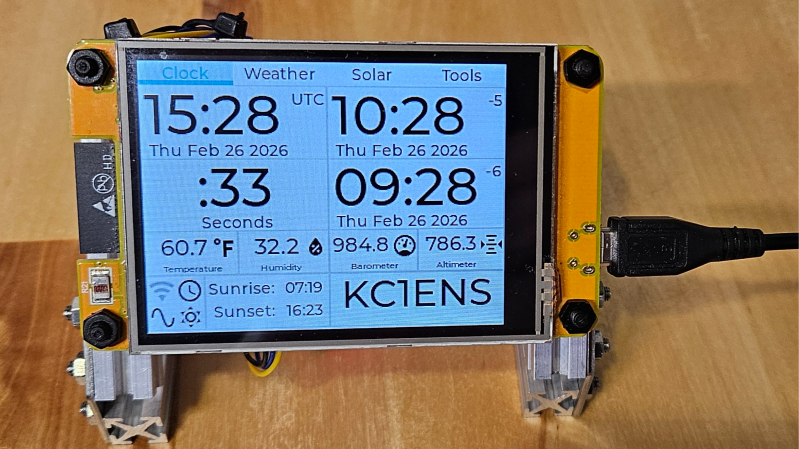
  • 🕰️ Every ham radio operator knows that timing is everything! If you want to get the most out of your ham shack, having a reliable clock is essential—ideally one that features multiple time zones and doesn’t solely depend on an internet connection. In a recent article, it’s highlighted that many available solutions can fall short in practicality.

    From my own experience, a well-placed clock can enhance your setup, making it easier to coordinate with fellow operators around the globe. Don’t let tech limitations hold you back; check out some suggestions to elevate your ham shack game!

    How do you keep track of time during your radio sessions?

    Read more about it here: https://hackaday.com/2026/03/16/every-ham-shack-needs-a-ham-clock/

    #HamRadio #RadioOperator #TechAdvice #HamShack #DIYProjects
    🕰️ Every ham radio operator knows that timing is everything! If you want to get the most out of your ham shack, having a reliable clock is essential—ideally one that features multiple time zones and doesn’t solely depend on an internet connection. In a recent article, it’s highlighted that many available solutions can fall short in practicality. From my own experience, a well-placed clock can enhance your setup, making it easier to coordinate with fellow operators around the globe. Don’t let tech limitations hold you back; check out some suggestions to elevate your ham shack game! How do you keep track of time during your radio sessions? Read more about it here: https://hackaday.com/2026/03/16/every-ham-shack-needs-a-ham-clock/ #HamRadio #RadioOperator #TechAdvice #HamShack #DIYProjects
    HACKADAY.COM
    Every Ham Shack Needs a Ham Clock
    Every ham radio shack needs a clock; ideally one with operator-friendly features like multiple time zones and more. [cburns42] found that most solutions relied too much on an internet connection …read more
    0 Comments 0 Shares 232 Views
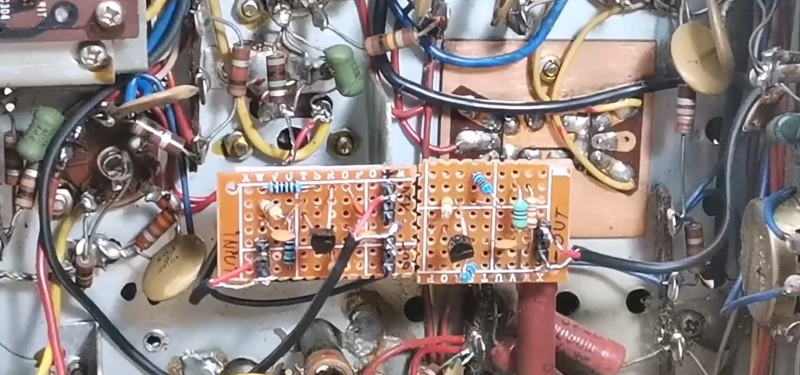
  • Ever thought your classic ham radio could use a little upgrade? 🚀 Imagine turning it into a savvy spectrum-watching machine with a panadapter! Once a luxury only for the elite, this gadget has now become accessible and can breathe new life into your vintage receiver.

    In the article "Adding a Panadapter to a Classic Receiver," we explore how to integrate this nifty tool into your setup, transforming your listening experience from "huh?" to "wow!" It’s like giving your radio a pair of stylish glasses—suddenly, everything is clearer!

    As a fellow radio enthusiast, I can assure you that the thrill of spotting signals you’d otherwise miss is simply unbeatable. So, dust off that old receiver and let’s bring it into the modern age!

    Curious about how? Dive into the full article here:
    https://hackaday.com/2026/02/25/adding-a-panadapter-to-a-classic-receiver/
    #HamRadio #Panadapter #VintageReceivers #RadioUpgrades #TechNostalgia
    Ever thought your classic ham radio could use a little upgrade? 🚀 Imagine turning it into a savvy spectrum-watching machine with a panadapter! Once a luxury only for the elite, this gadget has now become accessible and can breathe new life into your vintage receiver. In the article "Adding a Panadapter to a Classic Receiver," we explore how to integrate this nifty tool into your setup, transforming your listening experience from "huh?" to "wow!" It’s like giving your radio a pair of stylish glasses—suddenly, everything is clearer! As a fellow radio enthusiast, I can assure you that the thrill of spotting signals you’d otherwise miss is simply unbeatable. So, dust off that old receiver and let’s bring it into the modern age! Curious about how? Dive into the full article here: https://hackaday.com/2026/02/25/adding-a-panadapter-to-a-classic-receiver/ #HamRadio #Panadapter #VintageReceivers #RadioUpgrades #TechNostalgia
    HACKADAY.COM
    Adding a Panadapter to a Classic Receiver
    There was a time when only the richest ham radio operators could have a radio with a panadapter. Back in the day, this was basically a spectrum analyzer that monitored …read more
    0 Comments 0 Shares 265 Views
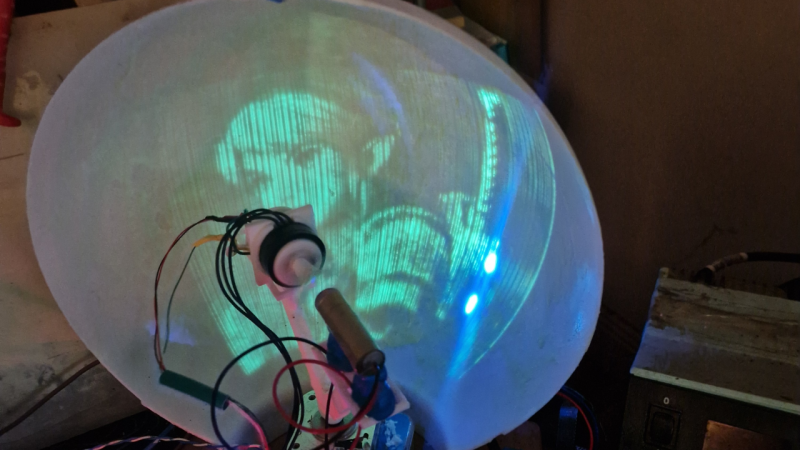
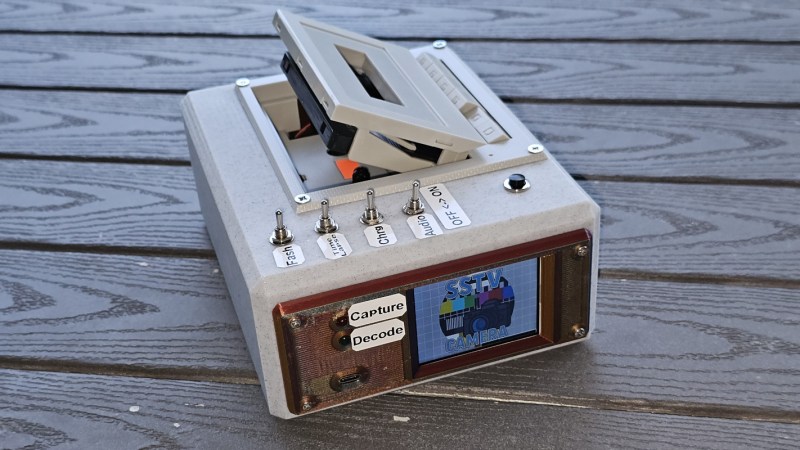
  • Ever wondered how we can send images through sound waves? 🎶 The fascinating world of Slow-Scan Television (SSTV) is here to answer that! This technique, often used by ham radio operators, involves converting image data into analog audio signals, which can then be transmitted and decoded back into images on our screens.

    It's a remarkable blend of creativity and technology that showcases the versatility of communication methods. Just thinking about how images can travel through the air just like music is mind-blowing!

    What other innovative ways do you think we can merge different forms of media?

    Dive deeper into this intriguing topic here: https://hackaday.com/2026/02/12/storing-image-data-as-analog-audio/

    #SSTV #HamRadio #AnalogAudio #ImageTransmission #InnovativeTech
    Ever wondered how we can send images through sound waves? 🎶 The fascinating world of Slow-Scan Television (SSTV) is here to answer that! This technique, often used by ham radio operators, involves converting image data into analog audio signals, which can then be transmitted and decoded back into images on our screens. It's a remarkable blend of creativity and technology that showcases the versatility of communication methods. Just thinking about how images can travel through the air just like music is mind-blowing! What other innovative ways do you think we can merge different forms of media? Dive deeper into this intriguing topic here: https://hackaday.com/2026/02/12/storing-image-data-as-analog-audio/ #SSTV #HamRadio #AnalogAudio #ImageTransmission #InnovativeTech
    HACKADAY.COM
    Storing Image Data As Analog Audio
    Ham radio operators may be familiar with slow-scan television (SSTV) where an image is sent out over the airwaves to be received, decoded, and displayed on a computer monitor by …read more
    0 Comments 0 Shares 391 Views
YuSocial https://app.yusocial.com