


 Spotlight Radio
Nigeria’s Real Estate Boom: Big Q3 Gains, Tougher Questions Ahead
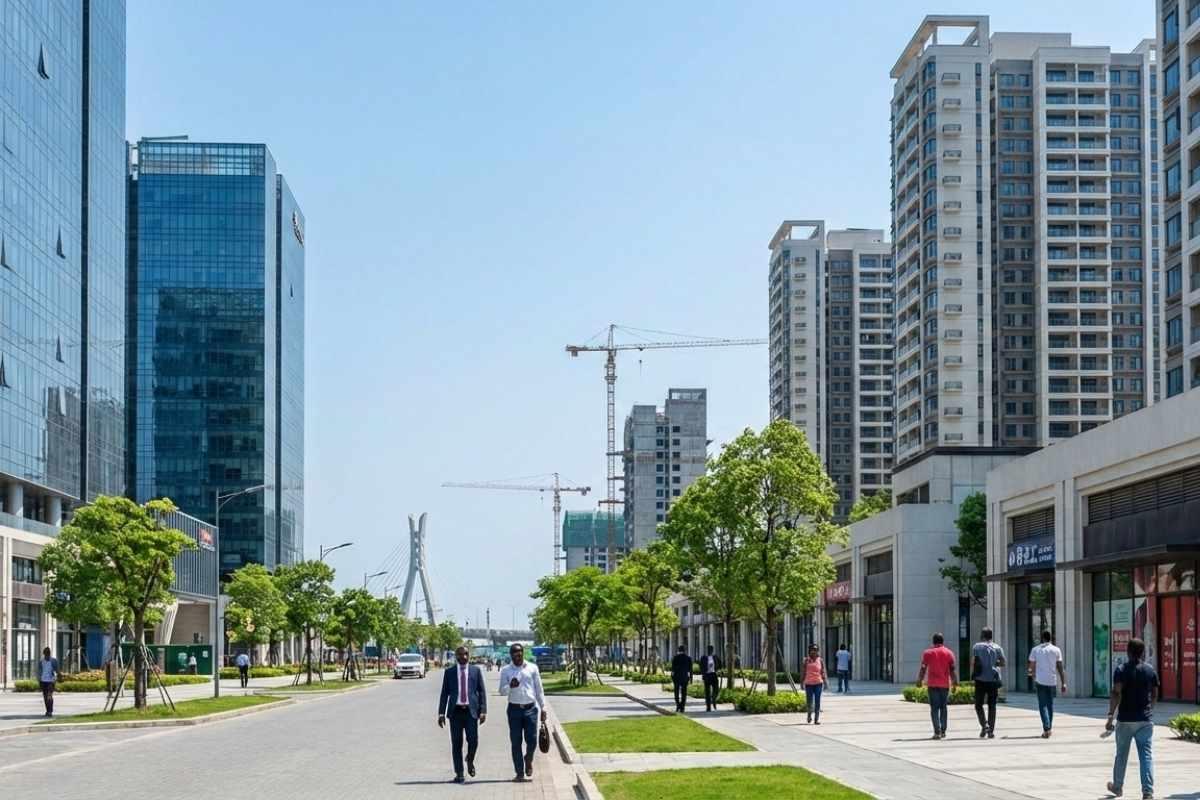
Nigeria’s real estate sector shocked many in Q3 2025 when it boasted almost 89 percent nominal growth. At the same time, it delivered over 13 percent to the country’s GDP, placing property firmly among Nigeria’s strongest non-oil sectors. These numbers project a powerful story, but they also raise a critical question: can this growth last?
4% Percent Surge in Q3
Nigeria’s economy expanded by nearly four percent in Q3, driven mainly by non-oil activities. Real estate played a major role. While real growth stood around 3.5 percent, rising property values, rental demand, and investor interest pushed the sector forward. Many Nigerians turned to property as a safer place to store value amid inflation and economic uncertainty.
Expert Warns
Yet experts warn that strong figures alone do not guarantee sustainability. Financing remains the biggest hurdle. Ayo Ibaru, Chief Executive Officer of Northcourt Real Estate, explains it clearly: “For the demand side, you would have to look at financing because that’s really where the challenges are.” High interest rates and weak mortgage access keep many potential buyers locked out of the market.
On the supply side, developers face rising construction costs. Many building materials are imported, and currency pressure continues to drive prices up. These factors slow project delivery and reduce affordability, even as demand rises. Without policy support, today’s growth could stall.
Climate Effects
Climate change adds another layer of risk. Flooding, heat stress, and erosion now affect major property markets, especially coastal cities like Lagos. These environmental threats damage buildings, raise insurance costs, and shape where investors choose to build. As a result, climate-resilient designs, proper drainage, and smarter urban planning are becoming essential, not optional.
Effects on the Economy
Economically, real estate remains a key engine. It creates jobs, supports construction and services, and helps Nigeria reduce dependence on oil revenue. But climate risks and weak financing could undermine these gains if left unattended.
The Q3 performance proves that Nigeria’s real estate sector has momentum. However, sustaining growth will require affordable mortgages, faster land processes, supportive policies, and climate-smart development. Without these, the impressive numbers may fade quickly. With them, real estate could remain a pillar of Nigeria’s economic future.
Tougher Questions Ahead
What happens next will decide whether this surge becomes a turning point or a missed opportunity.

